
Share:👇
Introduction
In the rapidly evolving digital landscape, marketing strategies must adapt and innovate to stay ahead of the curve. One transformative technology that is reshaping the marketing industry is Artificial Intelligence (AI). AI-powered predictive analysis has emerged as a game-changing approach, empowering marketers to anticipate trends, optimize campaigns, and make data-driven decisions with unprecedented precision.
This article delves into the power of AI for predictive analysis in marketing, exploring how it can be leveraged to drive strategic planning, enhance decision-making, and gain a competitive edge. We’ll examine the key benefits of this technology, the essential tools and techniques, and the ethical considerations that come with its implementation. By the end, you’ll have a comprehensive understanding of how to harness the predictive capabilities of AI to elevate your marketing efforts and achieve sustainable growth.
The Rise of AI-Powered Predictive Analysis
Predictive analysis, at its core, is the process of using data, statistical algorithms, and machine learning techniques to identify patterns and forecast future outcomes. In the context of marketing, this powerful approach enables organizations to anticipate customer behavior, market trends, and the impact of their campaigns with remarkable accuracy.
The integration of AI into predictive analysis has taken this capability to new heights. AI algorithms can process and learn from vast amounts of data, uncovering insights that would be nearly impossible for human analysts to detect. By identifying complex correlations, recognizing subtle shifts in consumer preferences, and anticipating the effects of external factors, AI-powered predictive analysis empowers marketers to make more informed, strategic decisions.
Key Benefits of AI-Driven Predictive Analysis in Marketing
- Enhanced Decision-Making
AI-powered predictive analysis provides marketers with a deeper understanding of their target audience, market dynamics, and the potential impact of their strategies. By leveraging historical data, current trends, and algorithmic insights, marketers can make more informed, data-driven decisions that align with future market conditions. This enhanced decision-making process leads to more effective campaign planning, resource allocation, and overall marketing strategy. - Efficiency in Resource Allocation
Predictive analysis driven by AI can help marketers identify the most promising opportunities and allocate resources accordingly. By forecasting which content, channels, or campaigns are likely to perform well, organizations can focus their efforts on high-impact activities, optimizing their marketing budgets and ensuring a better return on investment (ROI). - Competitive Edge
In a crowded and constantly evolving marketplace, the ability to anticipate and adapt to changes can make all the difference. AI-powered predictive analysis enables marketers to stay one step ahead of their competitors by identifying emerging trends, potential threats, and untapped opportunities. This proactive approach allows organizations to pivot their strategies, seize market share, and maintain a competitive advantage. - Time Savings
Automating the predictive analysis process with AI frees up valuable time for marketers, allowing them to focus on more strategic and creative tasks. Instead of manually sifting through data and making reactive adjustments, AI can handle the heavy lifting, providing actionable insights and recommendations that inform marketing decisions.
Key Applications of AI-Driven Predictive Analysis in Marketing
- Audience Segmentation and Personalization
AI algorithms can analyze vast amounts of customer data, including browsing behavior, purchase history, and demographic information, to identify distinct audience segments with unique preferences and behaviors. This granular understanding of the target audience enables marketers to create highly personalized content, offers, and experiences that resonate more effectively, leading to increased engagement, conversion rates, and customer loyalty. - Content Optimization
By leveraging AI-powered predictive analysis, marketers can forecast which topics, formats, and messaging will resonate best with their audience. This allows them to optimize their content strategy, ensuring that the right content is delivered to the right people at the right time. AI can also assist in generating personalized, high-performing content at scale, further enhancing the effectiveness of marketing campaigns. - Campaign Optimization
AI-driven predictive analysis can provide valuable insights into the performance of marketing campaigns, enabling marketers to make real-time adjustments and optimizations. By analyzing data on ad engagement, conversion rates, and customer interactions, AI can identify the most effective channels, messaging, and targeting strategies, allowing marketers to allocate resources more efficiently and maximize the impact of their campaigns. - Demand Forecasting
Predicting future customer demand is crucial for effective inventory management, product development, and marketing planning. AI-powered predictive analysis can leverage historical sales data, market trends, and external factors to forecast demand with a high degree of accuracy. This enables organizations to anticipate and prepare for fluctuations in customer needs, ensuring they are well-positioned to meet market demands. - Churn Prediction and Retention
AI algorithms can analyze customer behavior, engagement patterns, and other relevant data to identify individuals who are at risk of churning or disengaging from a brand. By predicting potential churn, marketers can proactively implement targeted retention strategies, such as personalized offers, tailored communication, or improved customer experiences, to prevent customer attrition and maintain a loyal user base.
Key Tools and Techniques for AI-Powered Predictive Analysis in Marketing
- Data Collection and Integration
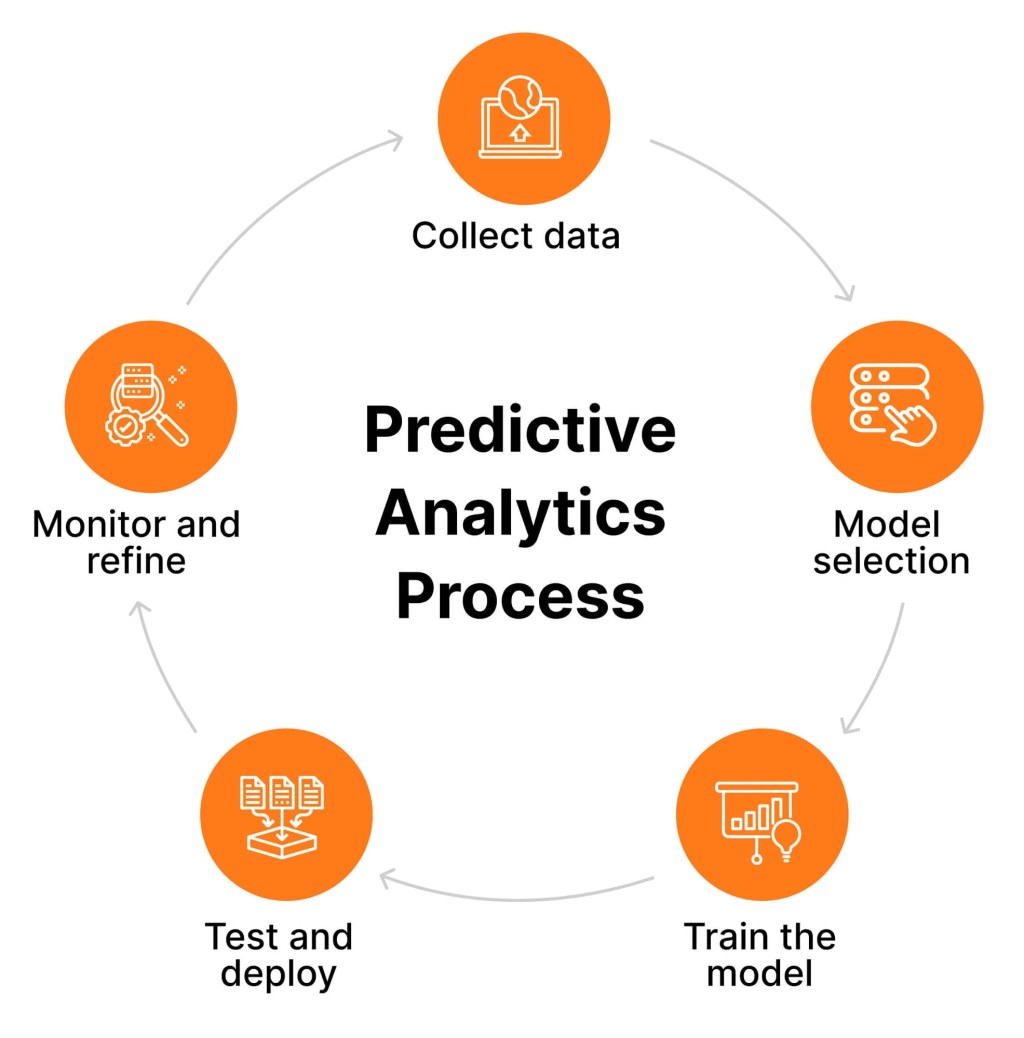
Effective predictive analysis relies on the availability of high-quality, comprehensive data. Marketers should focus on integrating various data sources, such as customer relationship management (CRM) systems, web analytics, social media, and third-party data providers, to create a unified view of their audience and market landscape. - Data Preprocessing and Feature Engineering
Before applying AI algorithms, the collected data must be preprocessed and transformed into a format suitable for analysis. This may involve tasks like data cleaning, feature selection, and feature engineering, where new variables are created from the existing data to enhance the predictive power of the models. - Predictive Modeling
The heart of AI-powered predictive analysis lies in the development of predictive models. Marketers can leverage a range of machine learning algorithms, such as regression, classification, clustering, and time series analysis, to uncover patterns, make forecasts, and generate actionable insights. Popular AI-based predictive modeling techniques include:
- Supervised Learning: Predicting outcomes based on labeled data (e.g., predicting customer churn or campaign conversion rates).
- Unsupervised Learning: Identifying hidden patterns and segmenting data without predefined labels (e.g., customer segmentation or market trend analysis).
- Deep Learning: Utilizing artificial neural networks to extract complex features and make highly accurate predictions (e.g., image recognition for social media content optimization).
- Model Evaluation and Optimization
Continuously evaluating the performance of predictive models and optimizing them is crucial for maintaining the accuracy and reliability of the insights generated. Marketers should employ techniques like cross-validation, A/B testing, and model tuning to ensure that their AI-powered predictive analysis remains relevant and effective over time. - Visualization and Reporting
Translating the insights from predictive analysis into actionable, easy-to-understand formats is essential for effective decision-making. Marketers should leverage data visualization tools and dashboards to present their findings in a clear and compelling manner, enabling stakeholders to quickly grasp the implications and make informed decisions. - Automation and Integration
To maximize the efficiency and scalability of AI-powered predictive analysis, marketers should strive to automate various aspects of the process, from data collection to model deployment. By integrating predictive analytics into existing marketing platforms and workflows, organizations can streamline their decision-making processes and respond to market changes in real-time.
Ethical Considerations in AI-Driven Predictive Analysis
As the use of AI in marketing continues to grow, it is crucial to address the ethical implications of this technology. Marketers must be mindful of the potential risks and challenges associated with AI-powered predictive analysis, including:
- Data Privacy and Security
The collection and use of customer data for predictive analysis raises concerns about privacy and data protection. Marketers must ensure that they comply with relevant data privacy regulations, such as the General Data Protection Regulation (GDPR) and the California Consumer Privacy Act (CCPA), and implement robust security measures to safeguard sensitive information. - Algorithmic Bias
AI algorithms can perpetuate or amplify existing biases present in the data used to train them. This can lead to discriminatory outcomes, such as targeted advertising or content recommendations that unfairly disadvantage certain demographic groups. Marketers must be vigilant in identifying and mitigating these biases throughout the predictive analysis process. - Transparency and Explainability
The complex nature of AI models can make it challenging to understand the reasoning behind their predictions and decisions. Marketers should strive for transparency, ensuring that the decision-making process behind their AI-powered predictive analysis is clear and explainable to stakeholders, customers, and regulatory bodies. - Ethical Use of Predictive Insights
Marketers must carefully consider the ethical implications of the insights generated by AI-powered predictive analysis. While these insights can be powerful, they should not be used to manipulate or exploit customers, but rather to enhance the customer experience and create mutually beneficial relationships. - Responsible Deployment
As AI-driven predictive analysis becomes more prevalent in marketing, organizations must develop and implement robust governance frameworks to ensure the responsible and ethical deployment of these technologies. This may include establishing internal review boards, implementing auditing processes, and providing ongoing training and education for marketing teams.
By addressing these ethical considerations, marketers can harness the power of AI-driven predictive analysis while upholding the principles of transparency, fairness, and customer trust.
Case Studies: Successful Implementation of AI-Powered Predictive Analysis in Marketing
- Personalized Product Recommendations at Netflix
Netflix, the global streaming giant, has leveraged AI-powered predictive analysis to revolutionize its content recommendation system. By analyzing vast amounts of user data, including viewing history, search patterns, and engagement metrics, Netflix’s AI algorithms can accurately predict which shows and movies a user is likely to enjoy. This personalized recommendation engine has been a key driver of Netflix’s success, leading to increased customer satisfaction, higher engagement, and reduced churn. - Predictive Maintenance at Rolls-Royce
Rolls-Royce, the renowned aerospace and defense company, has implemented AI-powered predictive analysis to optimize the maintenance of its aircraft engines. By collecting and analyzing sensor data from its engines, Rolls-Royce’s AI models can predict potential failures and recommend proactive maintenance actions. This predictive maintenance approach has enabled the company to reduce unplanned downtime, improve operational efficiency, and provide better service to its customers. - Predictive Lead Scoring at Salesforce
Salesforce, the leading customer relationship management (CRM) platform, has integrated AI-powered predictive analysis into its sales and marketing tools. By analyzing customer data, such as browsing behavior, engagement levels, and past purchase history, Salesforce’s AI algorithms can assign lead scores, indicating the likelihood of a prospect converting into a customer. This predictive lead scoring enables Salesforce’s customers to prioritize their sales efforts, focus on the most promising leads, and improve their overall sales and marketing performance. - Predictive Churn Analysis at Spotify
Spotify, the popular music streaming service, has leveraged AI-powered predictive analysis to identify users at risk of churning. By analyzing user behavior, listening patterns, and other relevant data, Spotify’s AI models can predict which users are likely to cancel their subscriptions. This insight allows Spotify to proactively engage with these users, offering personalized incentives and improved experiences to retain them and maintain a loyal customer base. - Predictive Content Optimization at The New York Times
The New York Times, a renowned media organization, has implemented AI-powered predictive analysis to optimize its content strategy. By analyzing user engagement data, article performance, and external factors, The New York Times’ AI models can forecast which topics, formats, and headlines are likely to resonate with their audience. This predictive analysis enables the organization to create more targeted and effective content, leading to increased readership, subscriber retention, and overall engagement with their digital platforms.
These case studies demonstrate the transformative impact of AI-powered predictive analysis across various industries, highlighting the potential for marketers to leverage this technology to drive strategic decision-making, enhance customer experiences, and achieve sustainable growth.
Conclusion
In the dynamic and data-driven world of marketing, the integration of AI-powered predictive analysis has become a strategic imperative. By harnessing the power of this transformative technology, marketers can gain unprecedented insights, make more informed decisions, and stay ahead of the competition.
From audience segmentation and personalization to campaign optimization and churn prediction, the applications of AI-driven predictive analysis are vast and far-reaching. By embracing this innovative approach, marketers can unlock new opportunities, enhance their marketing efforts, and deliver exceptional value to their customers.
As the adoption of AI in marketing continues to grow, it is crucial for organizations to address the ethical considerations surrounding this technology. By upholding principles of transparency, fairness, and responsible deployment, marketers can harness the full potential of AI-powered predictive analysis while maintaining the trust and confidence of their stakeholders.
In the ever-evolving landscape of marketing, the integration of AI-driven predictive analysis is not just a competitive advantage, but a strategic necessity. By leveraging this transformative technology, marketers can navigate the complexities of the digital world, anticipate and adapt to changing market conditions, and drive sustainable growth for their organizations.
Learn more:
- Predictive SEO: How AI Can Forecast Ranking Opportunities | by Danny Johnson | Medium
- Top AI Tools to Boost Your SEO Performance
- Must-Have AI Marketing Tools For 2024
Share:👇
Subscribe to get more of such amazing content 👇
Related post
- How to Start a Print on Demand Business: A Comprehensive Guide
 Share:👇 Starting a print on demand (POD) business can be an exciting and profitable venture, especially in today’s era of e-commerce. Whether you’re an artist looking to monetize your designs or an entrepreneur exploring new business avenues, the POD model offers a low-risk, scalable method of selling custom products without the need for inventory or… Read more: How to Start a Print on Demand Business: A Comprehensive Guide
 - Mistakes Most Young Entrepreneurs Make When Starting an Online Business
 Share:👇 Starting an online business can be an exciting and rewarding venture for young entrepreneurs, but it also comes with its fair share of challenges. Many young entrepreneurs make common mistakes that can hinder their success and lead to the downfall of their businesses. In this comprehensive guide, we will explore the most prevalent mistakes… Read more: Mistakes Most Young Entrepreneurs Make When Starting an Online Business
 - Starting a Dropshipping Website on Spocket: What You Need to Know
 Share:👇 Introduction In the ever-evolving world of e-commerce, dropshipping has emerged as a game-changing business model that has revolutionized the way entrepreneurs approach online retail. Spocket, a leading dropshipping platform, has become a popular choice for those looking to venture into this lucrative space. [1] This comprehensive guide will delve into the intricacies of starting… Read more: Starting a Dropshipping Website on Spocket: What You Need to Know
 - The 10 Best Dropshipping Websites for Ecommerce Success in 2024
 Share:👇 Introduction In the ever-evolving world of ecommerce, dropshipping has emerged as a game-changing business model that allows entrepreneurs to start and scale online stores without the hassle of managing inventory. By partnering with reliable suppliers, dropshipping enables you to offer a wide range of products to your customers while minimizing upfront costs and overhead.… Read more: The 10 Best Dropshipping Websites for Ecommerce Success in 2024
 - The Ultimate Guide to the Best Affiliate Marketing Websites
 Share:👇 Introduction Affiliate marketing has become one of the most popular ways to earn passive income online. With the right strategies and tools, you can turn your website into a revenue-generating machine. In this guide, we’ll explore the best affiliate marketing websites, provide in-depth reviews, and share tips on how to maximize your earnings. What… Read more: The Ultimate Guide to the Best Affiliate Marketing Websites
 - Mastering Long-Form Content for SEO in 2024 and Beyond
 Share:👇 In the ever-evolving world of search engine optimization (SEO), the importance of long-form content has become increasingly apparent. As Google and other search engines continue to prioritize high-quality, in-depth information, crafting compelling long-form content has become a crucial strategy for businesses and content creators looking to rank higher in search results and engage their… Read more: Mastering Long-Form Content for SEO in 2024 and Beyond
 - The Rise of AI in SEO: Navigating the Changing Landscape of Search Engine Optimization in 2024 and Beyond
 Share:👇 Introduction: The Evolving Role of AI in SEO As we look ahead to 2024 and beyond, the world of search engine optimization (SEO) is undergoing a profound transformation, driven largely by the rapid advancements in artificial intelligence (AI) technology. The impact of AI on SEO is undeniable, presenting both opportunities and challenges for marketers,… Read more: The Rise of AI in SEO: Navigating the Changing Landscape of Search Engine Optimization in 2024 and Beyond
 - The Transformative Role of Blockchain in Digital Marketing
 Share:👇 Introduction In the ever-evolving landscape of digital marketing, the emergence of blockchain technology has sparked a revolution, redefining the way businesses engage with their customers and approach their marketing strategies. As the digital world continues to grapple with issues of transparency, data security, and trust, blockchain has emerged as a game-changing solution, offering a… Read more: The Transformative Role of Blockchain in Digital Marketing
 - Unlocking the Power of Facebook Ads: A Comprehensive Guide to Maximizing ROI
 Share:👇 In the ever-evolving digital landscape, Facebook ads have emerged as a powerful tool for businesses of all sizes to reach and engage their target audience. With over 2.9 billion monthly active users, Facebook provides unparalleled access to a vast and diverse customer base, making it an essential component of any comprehensive marketing strategy. However,… Read more: Unlocking the Power of Facebook Ads: A Comprehensive Guide to Maximizing ROI
 - The Future of Affiliate Marketing: Navigating the Evolving Landscape
 Share:👇 Introduction: The Affiliate Marketing Landscape in Flux In the ever-changing world of digital marketing, affiliate marketing has emerged as a powerful and lucrative strategy for businesses and individuals alike. As the industry continues to evolve, it’s crucial for both seasoned and aspiring affiliate marketers to stay ahead of the curve and understand the trends… Read more: The Future of Affiliate Marketing: Navigating the Evolving Landscape
 - How to Use Pinterest for Business: A Comprehensive Guide
 Share:👇 Introduction In the ever-evolving landscape of digital marketing, businesses are constantly seeking new and innovative ways to reach their target audience. One platform that has emerged as a powerful tool for businesses is Pinterest. With its visually-driven nature and growing user base, Pinterest offers a unique opportunity for businesses to showcase their products, services,… Read more: How to Use Pinterest for Business: A Comprehensive Guide
 - The Vital Role of Customer Experience in Digital Marketing
 Share:👇 In the ever-evolving landscape of digital marketing, the importance of customer experience (CX) cannot be overstated. As businesses strive to stand out in an increasingly crowded online space, delivering a seamless, engaging, and personalized customer journey has become a critical differentiator. The digital age has empowered consumers with an abundance of choices and information… Read more: The Vital Role of Customer Experience in Digital Marketing



 Hubgenus