
Share:👇
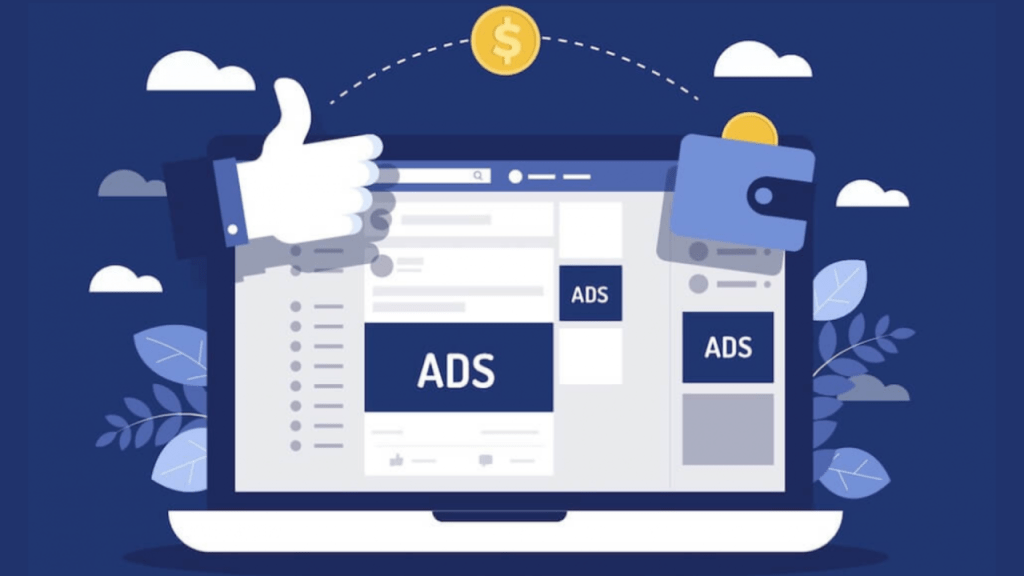
In the ever-evolving digital landscape, Facebook ads have emerged as a powerful tool for businesses of all sizes to reach and engage their target audience. With over 2.9 billion monthly active users, Facebook provides unparalleled access to a vast and diverse customer base, making it an essential component of any comprehensive marketing strategy.
However, simply running Facebook ads is not enough to guarantee a substantial return on investment (ROI). To truly maximize the potential of this platform, businesses must adopt a strategic and data-driven approach that leverages the latest best practices and optimization techniques.
In this comprehensive guide, we’ll explore the key strategies and tactics that can help you unlock the full potential of Facebook ads and drive exceptional ROI for your business.
Understanding the Facebook Ads Ecosystem
Before we dive into the strategies, it’s essential to have a solid understanding of the Facebook ads ecosystem and the various components that contribute to its success.
The Importance of Facebook Ads
Facebook ads offer a unique opportunity for businesses to reach their target audience with laser-sharp precision. Unlike traditional advertising methods, Facebook’s advanced targeting capabilities allow you to identify and engage with the exact demographics, interests, and behaviors that align with your ideal customer profile.
Moreover, Facebook’s vast user base and diverse platform features, such as News Feed, Stories, and Marketplace, provide businesses with a multitude of ad placement options to maximize their visibility and engagement.
The Facebook Ads Manager
The Facebook Ads Manager is the central hub for creating, managing, and optimizing your Facebook ad campaigns. This powerful tool offers a wide range of features and functionalities, including:
- Campaign Objectives: Align your ad campaigns with specific business goals, such as driving website traffic, generating leads, or increasing sales.
- Audience Targeting: Leverage Facebook’s robust targeting options to reach the right people at the right time, based on factors like demographics, interests, behaviors, and more.
- Ad Formats: Choose from a variety of ad formats, including image, video, carousel, and collection ads, to create visually appealing and engaging content.
- Bidding and Budgeting: Optimize your ad spend by setting the right bidding strategy and budget to ensure your ads are delivered to the most relevant and valuable audience.
- Reporting and Analytics: Gain valuable insights into the performance of your ad campaigns, including metrics such as reach, impressions, clicks, and conversions.
Understanding the capabilities of the Facebook Ads Manager is crucial for developing and executing effective ad strategies that drive measurable results.
The Importance of the Facebook Pixel
The Facebook Pixel is a small piece of code that you can install on your website to track user actions and conversions. This powerful tool provides invaluable data that can be used to optimize your ad campaigns, retarget potential customers, and measure the overall effectiveness of your marketing efforts.
By implementing the Facebook Pixel, you can:
- Track Conversions: Monitor the actions taken by users on your website, such as purchases, lead submissions, or content downloads, and attribute them to your Facebook ad campaigns.
- Retarget Engaged Users: Create custom audiences of users who have interacted with your website or ads, and serve them targeted ads to re-engage and convert them.
- Optimize Ad Delivery: Leverage the Facebook Pixel’s data to fine-tune your ad targeting, bidding, and creative, ensuring your ads are delivered to the most relevant and valuable audience.
- Measure Campaign Performance: Gain a comprehensive understanding of your ad campaign’s effectiveness, including the return on ad spend (ROAS) and other key performance indicators (KPIs).
Integrating the Facebook Pixel into your website is a crucial step in unlocking the full potential of your Facebook ad campaigns and maximizing your ROI.
Developing a Winning Facebook Ads Strategy
With a solid understanding of the Facebook ads ecosystem, let’s dive into the key strategies and tactics that can help you drive exceptional ROI from your Facebook ad campaigns.
Conduct Thorough Audience Research
The foundation of any successful Facebook ad campaign lies in your ability to identify and understand your target audience. Comprehensive audience research is essential for creating highly relevant and engaging ad content that resonates with your potential customers.
Start by creating detailed buyer personas that encompass the demographic, psychographic, and behavioral characteristics of your ideal customers. Utilize tools like Facebook Audience Insights, Google Analytics, and customer surveys to gather data on your audience’s interests, pain points, and purchasing behaviors.
Once you have a clear understanding of your target audience, leverage Facebook’s advanced targeting options to reach them with laser-like precision. Experiment with a variety of targeting criteria, such as:
- Demographic Targeting: Age, gender, location, income, education level, and more.
- Interest Targeting: Hobbies, passions, and affinities that align with your products or services.
- Behavioral Targeting: Purchase intent, device usage, and online activities.
- Lookalike Audiences: Reach new potential customers who share similar characteristics with your existing customer base.
By continuously refining and optimizing your audience targeting, you can ensure that your Facebook ads are being served to the most relevant and valuable users, ultimately driving higher engagement, conversions, and ROI.
Develop Compelling Ad Creative
In the fast-paced world of social media, the visual and textual elements of your Facebook ads play a crucial role in capturing the attention of your target audience and driving them to take the desired action.
Invest time and resources into creating visually stunning and emotionally resonant ad creative that aligns with your brand identity and messaging. Leverage high-quality images, eye-catching videos, and captivating copy to tell a compelling story that resonates with your audience.
When crafting your ad creative, consider the following best practices:
- Attention-Grabbing Visuals: Use vibrant, high-resolution images or videos that immediately capture the viewer’s interest and convey the key benefits of your product or service.
- Concise and Compelling Copy: Craft clear, concise, and persuasive ad copy that highlights the unique value proposition and encourages the viewer to take action.
- Emotional Storytelling: Tap into the emotions of your audience by crafting ad narratives that evoke feelings of joy, curiosity, or urgency.
- Consistent Branding: Ensure that your ad creative aligns with your overall brand identity, including the use of consistent color schemes, typography, and visual elements.
- Mobile-Optimized Design: Optimize your ad creative for mobile viewing, as the majority of Facebook users access the platform on their smartphones.
By creating visually stunning and emotionally engaging ad content, you can capture the attention of your target audience and increase the likelihood of driving valuable conversions and ROI.
Leverage Effective Ad Formats
Facebook offers a diverse range of ad formats, each with its own unique capabilities and advantages. Leveraging the right ad format for your specific campaign objectives can significantly enhance the performance and ROI of your Facebook ads.
Some of the most effective ad formats to consider include:
- Image Ads: Simple yet impactful, image ads allow you to showcase your products or services with high-quality visuals and concise messaging.
- Video Ads: Captivating video ads can effectively tell your brand’s story, demonstrate your product’s features, and engage your audience on a deeper level.
- Carousel Ads: Carousel ads enable you to showcase multiple images or videos within a single ad, allowing you to highlight various aspects of your offering.
- Collection Ads: Collection ads combine a primary video or image with a grid of additional product images, creating an immersive shopping experience for your audience.
- Stories Ads: Leveraging the full-screen, vertical format of Facebook Stories, these ads can deliver a more intimate and engaging experience for your audience.
When selecting the appropriate ad format, consider factors such as your campaign objectives, the nature of your products or services, and the preferences and behaviors of your target audience. Experiment with different ad formats and continuously analyze their performance to determine the most effective approach for your business.
Optimize Your Ad Campaigns
Effective optimization is the key to unlocking the full potential of your Facebook ad campaigns and maximizing your ROI. Continuously monitoring, analyzing, and refining your ad strategies based on data-driven insights can help you achieve your desired results.
Here are some essential optimization techniques to consider:
- Bidding and Budgeting Strategies: Leverage Facebook’s bidding and budgeting options to ensure your ads are delivered to the most valuable audience at the right cost. Experiment with different bidding strategies, such as cost-per-click (CPC) or cost-per-acquisition (CPA), to find the optimal approach for your campaign objectives.
- Audience Segmentation and Targeting: Continuously refine your audience targeting by creating and testing new segmentation strategies. Experiment with different demographic, interest, and behavioral targeting criteria to identify the most responsive audience segments.
- Ad Optimization and A/B Testing: Regularly test and optimize your ad creative, copy, and targeting to identify the most effective combinations. Utilize A/B testing to compare the performance of different ad variations and make data-driven decisions.
- Conversion Tracking and Pixel Optimization: Ensure that your Facebook Pixel is properly installed and configured to accurately track and attribute conversions. Continuously analyze your pixel data to identify opportunities for optimization and improve your overall campaign performance.
- Retargeting and Custom Audiences: Leverage the power of retargeting by creating custom audiences of users who have interacted with your website, ads, or social media content. Serve these users with highly relevant and personalized ads to re-engage them and drive them further down the sales funnel.
- Automated Rules and Optimization: Utilize Facebook’s automated rules and optimization features to streamline your campaign management and ensure your ads are continuously performing at their best. Set up automated rules to adjust bids, budgets, and ad delivery based on predefined performance thresholds.
By implementing these optimization strategies and continuously refining your Facebook ad campaigns, you can maximize the return on your advertising investment and achieve your desired business outcomes.
Measure and Analyze Performance
Effective performance measurement and analysis are essential for understanding the impact of your Facebook ad campaigns and making informed decisions to improve your ROI.
Leverage the comprehensive reporting and analytics tools available within the Facebook Ads Manager to track and analyze key performance metrics, such as:
- Reach and Impressions: Monitor the number of unique users who have seen your ads and the total number of times your ads have been displayed.
- Click-Through Rate (CTR): Analyze the percentage of users who have clicked on your ads, indicating their level of engagement and interest.
- Conversion Rate: Track the percentage of users who have taken the desired action, such as making a purchase or submitting a lead form.
- Cost per Acquisition (CPA): Understand the average cost associated with acquiring a new customer or lead through your Facebook ad campaigns.
- Return on Ad Spend (ROAS): Calculate the revenue generated for every dollar spent on your Facebook ads, providing a clear picture of your campaign’s profitability.
In addition to the metrics available within the Facebook Ads Manager, consider integrating your Facebook ad data with other analytics tools, such as Google Analytics or a customer relationship management (CRM) system, to gain a more comprehensive understanding of your campaign’s performance and its impact on your overall business objectives.
Regularly review and analyze your performance data to identify trends, patterns, and areas for improvement. Use these insights to refine your targeting, creative, and optimization strategies, ensuring that your Facebook ad campaigns continue to deliver exceptional ROI.
Advanced Strategies for Maximizing Facebook Ads ROI
While the strategies outlined above provide a solid foundation for leveraging Facebook ads effectively, there are additional advanced techniques that can help you take your ROI to the next level.
Leverage Facebook’s Automated Bidding Strategies
Facebook’s automated bidding strategies can be a powerful tool for optimizing your ad campaigns and maximizing your ROI. These advanced bidding options leverage the platform’s machine learning algorithms to automatically adjust your bids based on real-time data and user behavior.
Some of the most effective automated bidding strategies to consider include:
- Lowest Cost: This strategy aims to deliver the most results at the lowest possible cost, making it a great option for campaigns focused on driving conversions or website traffic.
- Lowest Cost with a Cap: Similar to the Lowest Cost strategy, but with the ability to set a maximum cost per result, ensuring your ad spend remains within your desired budget.
- Target Cost: This strategy allows you to set a target cost per result, and Facebook will adjust your bids to try to reach that target while maximizing your results.
- Target ROAS: Designed for ecommerce businesses, this strategy optimizes your bids to achieve a specific target return on ad spend (ROAS).
By leveraging these automated bidding strategies, you can take the guesswork out of managing your ad campaigns and let Facebook’s algorithms work to deliver the best possible results at the most efficient cost.
Implement Dynamic Ads
Dynamic ads, also known as Facebook Dynamic Product Ads, are a powerful tool for ecommerce businesses looking to drive sales and maximize their ROI. These ads automatically generate personalized ad content based on a user’s browsing and purchase history, ensuring that the right products are shown to the right people at the right time.
To set up dynamic ads, you’ll need to:
- Create a Product Catalog: Upload your product data, including images, descriptions, and pricing, to Facebook’s Product Catalog.
- Install the Facebook Pixel: Ensure that the Facebook Pixel is properly installed on your website to track user behavior and enable dynamic ad targeting.
- Configure Your Dynamic Ad Campaign: Set up your dynamic ad campaign, specifying the target audience, budget, and optimization goals.
Once your dynamic ad campaign is live, Facebook’s algorithms will automatically generate and serve personalized ads to users based on their browsing and purchase history, increasing the likelihood of driving valuable conversions and maximizing your ROI.
Leverage Facebook’s Conversion API
The Facebook Conversion API (CAPI) is a powerful tool that helps businesses bridge the gap between their offline and online data, providing a more comprehensive view of their customer journey and ad performance.
By implementing the Conversion API, you can:
- Improve Conversion Tracking: Capture and report on valuable offline conversions, such as in-store purchases or phone call leads, that may not be tracked by the Facebook Pixel alone.
- Enhance Audience Targeting: Leverage your first-party data to create highly targeted custom audiences and improve the precision of your ad delivery.
- Mitigate the Impact of Privacy Changes: As privacy regulations and platform changes continue to evolve, the Conversion API helps you maintain accurate conversion tracking and attribution.
To get started with the Conversion API, you’ll need to:
- Integrate the API with Your Server-Side Systems: Work with your development team to implement the Conversion API on your server-side systems, such as your ecommerce platform or customer relationship management (CRM) software.
- Configure the API Settings: Specify the conversion events you want to track, the data you want to send, and the necessary permissions and security measures.
- Test and Validate the Integration: Ensure that the Conversion API is properly configured and that your conversion data is being accurately reported within the Facebook Ads Manager.
By leveraging the Conversion API, you can gain a more holistic understanding of your customer journey and ad performance, enabling you to make more informed decisions and drive exceptional ROI from your Facebook ad campaigns.
Explore Facebook’s Emerging Ad Formats
As the digital landscape continues to evolve, Facebook is constantly introducing new ad formats and features to help businesses stay ahead of the curve. Staying up-to-date with the latest ad formats and experimenting with them can provide a competitive edge and unlock new opportunities for driving ROI.
Some of the emerging ad formats to consider include:
- Facebook Reels Ads: Capitalizing on the growing popularity of short-form video content, Reels ads allow you to reach and engage your audience with immersive, vertical video ads.
- Facebook Shops: Enabling businesses to create customizable online storefronts directly on the Facebook platform, Shops ads provide a seamless shopping experience for your customers.
- Augmented Reality (AR) Ads: Leveraging the power of AR technology, these ads allow users to virtually interact with your products, enhancing engagement and driving conversions.
- Messenger Ads: Reaching your audience through the Facebook Messenger app, these ads offer a more personalized and conversational advertising experience.
By staying informed about the latest ad formats and features, and incorporating them into your Facebook ad strategy, you can stay ahead of the competition and maximize the ROI of your advertising efforts.
Conclusion: Unlocking the Full Potential of Facebook Ads
Facebook ads have become an indispensable component of modern marketing strategies, offering businesses of all sizes the opportunity to reach and engage their target audience with unparalleled precision and effectiveness.
By implementing the strategies and tactics outlined in this comprehensive guide, you can unlock the full potential of Facebook ads and drive exceptional ROI for your business. From conducting thorough audience research and developing compelling ad creative to optimizing your campaigns and leveraging advanced features, each step of the process is crucial for maximizing the impact of your Facebook advertising efforts.
Remember, the key to success lies in a data-driven, iterative approach. Continuously monitor, analyze, and refine your Facebook ad strategies based on performance insights, and be willing to experiment with new techniques and emerging ad formats to stay ahead of the competition.
With a strategic and well-executed Facebook ads strategy, you can effectively reach your target audience, drive valuable conversions, and achieve your desired business outcomes. Embrace the power of Facebook ads and unlock the path to sustainable growth and profitability for your organization.
Learn more:
- The Role of SEO & Keywords in Facebook Lead Generation – uSERP
- How To Choose The Right Keywords For Facebook Ads | Upbeat Agency
- How to Optimize Facebook Ads: 10 Tips & Tricks from the Pros
Share:👇
Subscribe to get more of such amazing content 👇
Related post
- How to Start a Print on Demand Business: A Comprehensive Guide
 Share:👇 Starting a print on demand (POD) business can be an exciting and profitable venture, especially in today’s era of e-commerce. Whether you’re an artist looking to monetize your designs or an entrepreneur exploring new business avenues, the POD model offers a low-risk, scalable method of selling custom products without the need for inventory or… Read more: How to Start a Print on Demand Business: A Comprehensive Guide
 - Mistakes Most Young Entrepreneurs Make When Starting an Online Business
 Share:👇 Starting an online business can be an exciting and rewarding venture for young entrepreneurs, but it also comes with its fair share of challenges. Many young entrepreneurs make common mistakes that can hinder their success and lead to the downfall of their businesses. In this comprehensive guide, we will explore the most prevalent mistakes… Read more: Mistakes Most Young Entrepreneurs Make When Starting an Online Business
 - Starting a Dropshipping Website on Spocket: What You Need to Know
 Share:👇 Introduction In the ever-evolving world of e-commerce, dropshipping has emerged as a game-changing business model that has revolutionized the way entrepreneurs approach online retail. Spocket, a leading dropshipping platform, has become a popular choice for those looking to venture into this lucrative space. [1] This comprehensive guide will delve into the intricacies of starting… Read more: Starting a Dropshipping Website on Spocket: What You Need to Know
 - The 10 Best Dropshipping Websites for Ecommerce Success in 2024
 Share:👇 Introduction In the ever-evolving world of ecommerce, dropshipping has emerged as a game-changing business model that allows entrepreneurs to start and scale online stores without the hassle of managing inventory. By partnering with reliable suppliers, dropshipping enables you to offer a wide range of products to your customers while minimizing upfront costs and overhead.… Read more: The 10 Best Dropshipping Websites for Ecommerce Success in 2024
 - The Ultimate Guide to the Best Affiliate Marketing Websites
 Share:👇 Introduction Affiliate marketing has become one of the most popular ways to earn passive income online. With the right strategies and tools, you can turn your website into a revenue-generating machine. In this guide, we’ll explore the best affiliate marketing websites, provide in-depth reviews, and share tips on how to maximize your earnings. What… Read more: The Ultimate Guide to the Best Affiliate Marketing Websites
 - Mastering Long-Form Content for SEO in 2024 and Beyond
 Share:👇 In the ever-evolving world of search engine optimization (SEO), the importance of long-form content has become increasingly apparent. As Google and other search engines continue to prioritize high-quality, in-depth information, crafting compelling long-form content has become a crucial strategy for businesses and content creators looking to rank higher in search results and engage their… Read more: Mastering Long-Form Content for SEO in 2024 and Beyond
 - The Rise of AI in SEO: Navigating the Changing Landscape of Search Engine Optimization in 2024 and Beyond
 Share:👇 Introduction: The Evolving Role of AI in SEO As we look ahead to 2024 and beyond, the world of search engine optimization (SEO) is undergoing a profound transformation, driven largely by the rapid advancements in artificial intelligence (AI) technology. The impact of AI on SEO is undeniable, presenting both opportunities and challenges for marketers,… Read more: The Rise of AI in SEO: Navigating the Changing Landscape of Search Engine Optimization in 2024 and Beyond
 - The Transformative Role of Blockchain in Digital Marketing
 Share:👇 Introduction In the ever-evolving landscape of digital marketing, the emergence of blockchain technology has sparked a revolution, redefining the way businesses engage with their customers and approach their marketing strategies. As the digital world continues to grapple with issues of transparency, data security, and trust, blockchain has emerged as a game-changing solution, offering a… Read more: The Transformative Role of Blockchain in Digital Marketing
 - Unlocking the Power of Facebook Ads: A Comprehensive Guide to Maximizing ROI
 Share:👇 In the ever-evolving digital landscape, Facebook ads have emerged as a powerful tool for businesses of all sizes to reach and engage their target audience. With over 2.9 billion monthly active users, Facebook provides unparalleled access to a vast and diverse customer base, making it an essential component of any comprehensive marketing strategy. However,… Read more: Unlocking the Power of Facebook Ads: A Comprehensive Guide to Maximizing ROI
 - The Future of Affiliate Marketing: Navigating the Evolving Landscape
 Share:👇 Introduction: The Affiliate Marketing Landscape in Flux In the ever-changing world of digital marketing, affiliate marketing has emerged as a powerful and lucrative strategy for businesses and individuals alike. As the industry continues to evolve, it’s crucial for both seasoned and aspiring affiliate marketers to stay ahead of the curve and understand the trends… Read more: The Future of Affiliate Marketing: Navigating the Evolving Landscape
 - How to Use Pinterest for Business: A Comprehensive Guide
 Share:👇 Introduction In the ever-evolving landscape of digital marketing, businesses are constantly seeking new and innovative ways to reach their target audience. One platform that has emerged as a powerful tool for businesses is Pinterest. With its visually-driven nature and growing user base, Pinterest offers a unique opportunity for businesses to showcase their products, services,… Read more: How to Use Pinterest for Business: A Comprehensive Guide
 - The Vital Role of Customer Experience in Digital Marketing
 Share:👇 In the ever-evolving landscape of digital marketing, the importance of customer experience (CX) cannot be overstated. As businesses strive to stand out in an increasingly crowded online space, delivering a seamless, engaging, and personalized customer journey has become a critical differentiator. The digital age has empowered consumers with an abundance of choices and information… Read more: The Vital Role of Customer Experience in Digital Marketing



 Hubgenus