

Share:👇
Introduction
In today’s rapidly evolving business landscape, sustainability has emerged as a critical factor in brand marketing. Consumers are becoming increasingly conscious of the environmental and social impact of the products and services they choose, and they are demanding that brands take a more proactive role in addressing these concerns. As a result, the integration of sustainability into brand marketing strategies has become essential for businesses that want to remain competitive and relevant in the modern marketplace.
The Rise of Sustainable Consumerism
The growing awareness and concern for environmental and social issues among consumers have led to a significant shift in purchasing behavior. According to a recent study, 73% of global consumers say they would definitely or probably change their consumption habits to reduce their impact on the environment [1]. This trend is particularly pronounced among younger generations, such as Millennials and Gen Z, who are often referred to as the “eco-conscious” consumers.
These consumers are not only more likely to seek out and purchase sustainable products and services, but they are also more likely to be loyal to brands that align with their values and demonstrate a genuine commitment to sustainability. In fact, a study by Nielsen found that 73% of Millennials are willing to pay more for sustainable products [2].
The Benefits of Sustainable Brand Marketing
Incorporating sustainability into brand marketing strategies can provide a range of benefits for businesses, both in the short and long term. Here are some of the key advantages:
1. Building Brand Trust and Credibility
By demonstrating a commitment to sustainability, brands can build trust and credibility with their target audience. Consumers are increasingly skeptical of greenwashing, the practice of making false or misleading claims about a product’s environmental benefits. By being transparent about their sustainability efforts and providing tangible evidence of their impact, brands can establish themselves as authentic and trustworthy.
2. Differentiation in the Market
In crowded and competitive markets, sustainability can be a powerful differentiator. Brands that effectively communicate their sustainable practices and values can stand out from their competitors, positioning themselves as the preferred choice for eco-conscious consumers.
3. Creating Emotional Connections
Sustainability often resonates on an emotional level with consumers, particularly those who are concerned about the state of the planet and the well-being of future generations. By aligning their brand with these values, businesses can foster a deeper emotional connection with their customers, leading to increased loyalty and advocacy.
4. Enhancing Employee Morale and Attraction
A commitment to sustainability can also have a positive impact on a brand’s internal stakeholders. Employees often feel more motivated and proud to work for a company that demonstrates a genuine concern for environmental and social issues. This can lead to improved employee engagement, retention, and the ability to attract top talent who are drawn to the company’s values and mission.
5. Meeting Regulatory and Investor Expectations
As governments and investors increasingly focus on sustainability, incorporating it into brand messaging can also have practical benefits. It can help businesses meet regulatory standards and attract investors who are looking for sustainable business practices.
6. Long-term Business Viability
Sustainable practices often lead to increased efficiency, innovation, and adaptability, which can ensure the long-term viability and resilience of a business. By incorporating sustainability into their brand marketing, companies can demonstrate a commitment to a more sustainable future, positioning themselves for success in an evolving marketplace.
Integrating Sustainability into Brand Marketing
To effectively integrate sustainability into brand marketing, businesses must take a holistic and strategic approach. This involves aligning sustainability efforts with the core values and mission of the brand, as well as developing a comprehensive communication plan that resonates with the target audience.
1. Conduct a Sustainability Audit
The first step in integrating sustainability into brand marketing is to conduct a thorough audit of the company’s current sustainability practices and impact. This should include an assessment of the organization’s environmental footprint, social responsibility initiatives, and overall alignment with sustainable business principles.
2. Define Sustainability Goals and Objectives
Based on the findings of the sustainability audit, businesses should establish clear and measurable sustainability goals and objectives that are aligned with their brand’s values and strategic priorities. These goals should be specific, time-bound, and communicated throughout the organization to ensure accountability and buy-in.
3. Develop a Sustainability-Focused Brand Narrative
Once the sustainability goals and objectives have been defined, businesses should develop a brand narrative that effectively communicates their commitment to sustainability. This narrative should be woven throughout all marketing and communication channels, from the company’s website and social media presence to its advertising campaigns and product packaging.
4. Leverage Sustainability-Focused Content and Storytelling
Effective brand marketing in the sustainability era requires a strong emphasis on content and storytelling. Businesses should create engaging, informative, and visually compelling content that highlights their sustainability efforts, the impact they are making, and the ways in which consumers can contribute to these efforts.
5. Collaborate with Sustainability-Focused Partners and Influencers
Partnering with other organizations, non-profits, or industry leaders who share a commitment to sustainability can be a powerful way to amplify a brand’s sustainability message and reach a wider audience. Businesses can also leverage the influence of sustainability-focused social media influencers to further promote their sustainability initiatives and engage with their target audience.
6. Measure and Communicate Sustainability Outcomes
Regularly measuring and communicating the outcomes of a brand’s sustainability efforts is crucial for maintaining transparency and building trust with consumers. Businesses should develop a comprehensive set of sustainability metrics and key performance indicators (KPIs) to track their progress and share these results with their stakeholders through various communication channels.
Overcoming Challenges in Sustainable Brand Marketing
While the benefits of integrating sustainability into brand marketing are clear, businesses may face several challenges in implementing these strategies effectively. Some of the key challenges include:
1. Greenwashing and Lack of Transparency
One of the biggest challenges in sustainable brand marketing is the risk of greenwashing, where brands make false or misleading claims about the environmental benefits of their products or services. Consumers are increasingly savvy and are quick to call out brands that engage in greenwashing, which can severely damage a brand’s reputation and credibility.
To overcome this challenge, businesses must be transparent about their sustainability efforts, providing tangible evidence and data to support their claims. They should also be willing to acknowledge areas where they are still working to improve their sustainability performance.
2. Balancing Sustainability and Profitability
Some businesses may perceive sustainability as a trade-off between environmental and social responsibility and profitability. However, research has shown that sustainable business practices can actually lead to long-term cost savings and increased profitability [3].
To address this challenge, businesses should focus on identifying and implementing sustainable practices that not only benefit the environment and society but also contribute to the bottom line. This may involve exploring new revenue streams, optimizing operations, or developing innovative products and services that meet the growing demand for sustainable solutions.
3. Engaging and Educating Consumers
Effective sustainable brand marketing requires a deep understanding of the target audience and their sustainability-related needs and preferences. Businesses must be able to effectively communicate the benefits of their sustainable offerings and educate consumers on the importance of sustainable consumption.
To overcome this challenge, businesses should invest in market research, customer segmentation, and targeted communication strategies that resonate with their target audience. They should also consider collaborating with sustainability-focused influencers and thought leaders to amplify their message and reach a wider audience.
4. Aligning Sustainability Efforts Across the Organization
Integrating sustainability into brand marketing requires a coordinated effort across all departments and functions within an organization. This can be a significant challenge, particularly for larger, more complex organizations.
To address this challenge, businesses should establish clear sustainability-related roles and responsibilities, foster cross-functional collaboration, and provide ongoing training and support to ensure that all employees are aligned with the organization’s sustainability goals and objectives.
The Future of Sustainable Brand Marketing
As the demand for sustainable products and services continues to grow, the role of sustainability in brand marketing will only become more critical. Businesses that are able to effectively integrate sustainability into their brand strategies will be well-positioned to thrive in the years to come.
Some key trends and developments that are likely to shape the future of sustainable brand marketing include:
- Increased Emphasis on Transparency and Accountability: Consumers will continue to demand greater transparency from brands, and businesses will need to be more proactive in communicating their sustainability efforts and outcomes.
- Emergence of Sustainability-Focused Certifications and Standards: Industry-wide sustainability certifications and standards will become more prevalent, providing consumers with a clear and reliable way to identify truly sustainable brands.
- Integration of Sustainability into the Customer Experience: Businesses will need to incorporate sustainability into every aspect of the customer experience, from product design and packaging to delivery and post-purchase support.
- Increased Collaboration and Partnerships: Businesses will need to collaborate with a wider range of stakeholders, including other brands, non-profits, and government agencies, to address complex sustainability challenges and drive meaningful change.
- Leveraging Emerging Technologies: Businesses will increasingly leverage emerging technologies, such as artificial intelligence, blockchain, and the Internet of Things, to enhance the sustainability of their operations and better communicate their efforts to consumers.
As the world continues to grapple with pressing environmental and social issues, the role of sustainability in brand marketing will only become more critical. Businesses that are able to effectively integrate sustainability into their brand strategies will not only benefit from increased consumer trust and loyalty but will also play a vital role in driving positive change and creating a more sustainable future.
Learn more:
- “The Role of Sustainability in Brand Messaging”
- Keyword Optimization for SEO and Sustainability – Mightybytes
- What is Sustainable Marketing? A Marketer’s Role in Sustainability
Share:👇
Subscribe to get more of such amazing content 👇
Related post
- How to Start a Print on Demand Business: A Comprehensive Guide
 Share:👇 Starting a print on demand (POD) business can be an exciting and profitable venture, especially in today’s era of e-commerce. Whether you’re an artist looking to monetize your designs or an entrepreneur exploring new business avenues, the POD model offers a low-risk, scalable method of selling custom products without the need for inventory or… Read more: How to Start a Print on Demand Business: A Comprehensive Guide
 - Mistakes Most Young Entrepreneurs Make When Starting an Online Business
 Share:👇 Starting an online business can be an exciting and rewarding venture for young entrepreneurs, but it also comes with its fair share of challenges. Many young entrepreneurs make common mistakes that can hinder their success and lead to the downfall of their businesses. In this comprehensive guide, we will explore the most prevalent mistakes… Read more: Mistakes Most Young Entrepreneurs Make When Starting an Online Business
 - Starting a Dropshipping Website on Spocket: What You Need to Know
 Share:👇 Introduction In the ever-evolving world of e-commerce, dropshipping has emerged as a game-changing business model that has revolutionized the way entrepreneurs approach online retail. Spocket, a leading dropshipping platform, has become a popular choice for those looking to venture into this lucrative space. [1] This comprehensive guide will delve into the intricacies of starting… Read more: Starting a Dropshipping Website on Spocket: What You Need to Know
 - The 10 Best Dropshipping Websites for Ecommerce Success in 2024
 Share:👇 Introduction In the ever-evolving world of ecommerce, dropshipping has emerged as a game-changing business model that allows entrepreneurs to start and scale online stores without the hassle of managing inventory. By partnering with reliable suppliers, dropshipping enables you to offer a wide range of products to your customers while minimizing upfront costs and overhead.… Read more: The 10 Best Dropshipping Websites for Ecommerce Success in 2024
 - The Ultimate Guide to the Best Affiliate Marketing Websites
 Share:👇 Introduction Affiliate marketing has become one of the most popular ways to earn passive income online. With the right strategies and tools, you can turn your website into a revenue-generating machine. In this guide, we’ll explore the best affiliate marketing websites, provide in-depth reviews, and share tips on how to maximize your earnings. What… Read more: The Ultimate Guide to the Best Affiliate Marketing Websites
 - Mastering Long-Form Content for SEO in 2024 and Beyond
 Share:👇 In the ever-evolving world of search engine optimization (SEO), the importance of long-form content has become increasingly apparent. As Google and other search engines continue to prioritize high-quality, in-depth information, crafting compelling long-form content has become a crucial strategy for businesses and content creators looking to rank higher in search results and engage their… Read more: Mastering Long-Form Content for SEO in 2024 and Beyond
 - The Rise of AI in SEO: Navigating the Changing Landscape of Search Engine Optimization in 2024 and Beyond
 Share:👇 Introduction: The Evolving Role of AI in SEO As we look ahead to 2024 and beyond, the world of search engine optimization (SEO) is undergoing a profound transformation, driven largely by the rapid advancements in artificial intelligence (AI) technology. The impact of AI on SEO is undeniable, presenting both opportunities and challenges for marketers,… Read more: The Rise of AI in SEO: Navigating the Changing Landscape of Search Engine Optimization in 2024 and Beyond
 - The Transformative Role of Blockchain in Digital Marketing
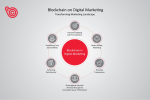 Share:👇 Introduction In the ever-evolving landscape of digital marketing, the emergence of blockchain technology has sparked a revolution, redefining the way businesses engage with their customers and approach their marketing strategies. As the digital world continues to grapple with issues of transparency, data security, and trust, blockchain has emerged as a game-changing solution, offering a… Read more: The Transformative Role of Blockchain in Digital Marketing
 - Unlocking the Power of Facebook Ads: A Comprehensive Guide to Maximizing ROI
 Share:👇 In the ever-evolving digital landscape, Facebook ads have emerged as a powerful tool for businesses of all sizes to reach and engage their target audience. With over 2.9 billion monthly active users, Facebook provides unparalleled access to a vast and diverse customer base, making it an essential component of any comprehensive marketing strategy. However,… Read more: Unlocking the Power of Facebook Ads: A Comprehensive Guide to Maximizing ROI
 - The Future of Affiliate Marketing: Navigating the Evolving Landscape
 Share:👇 Introduction: The Affiliate Marketing Landscape in Flux In the ever-changing world of digital marketing, affiliate marketing has emerged as a powerful and lucrative strategy for businesses and individuals alike. As the industry continues to evolve, it’s crucial for both seasoned and aspiring affiliate marketers to stay ahead of the curve and understand the trends… Read more: The Future of Affiliate Marketing: Navigating the Evolving Landscape
 - How to Use Pinterest for Business: A Comprehensive Guide
 Share:👇 Introduction In the ever-evolving landscape of digital marketing, businesses are constantly seeking new and innovative ways to reach their target audience. One platform that has emerged as a powerful tool for businesses is Pinterest. With its visually-driven nature and growing user base, Pinterest offers a unique opportunity for businesses to showcase their products, services,… Read more: How to Use Pinterest for Business: A Comprehensive Guide
 - The Vital Role of Customer Experience in Digital Marketing
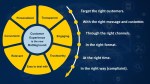 Share:👇 In the ever-evolving landscape of digital marketing, the importance of customer experience (CX) cannot be overstated. As businesses strive to stand out in an increasingly crowded online space, delivering a seamless, engaging, and personalized customer journey has become a critical differentiator. The digital age has empowered consumers with an abundance of choices and information… Read more: The Vital Role of Customer Experience in Digital Marketing