
Share:👇
Introduction
In the ever-evolving landscape of digital marketing, the fusion of Artificial Intelligence (AI) and automation has emerged as a transformative force, reshaping the way businesses engage with their audiences through email. As the world becomes increasingly digitized, the need for personalized, efficient, and data-driven marketing strategies has never been more paramount.
Email marketing, a cornerstone of modern marketing efforts, has been at the forefront of this technological revolution. By harnessing the power of AI and automation, marketers can now deliver hyper-personalized content, optimize campaign performance, and streamline routine tasks – all while driving unprecedented levels of customer engagement and ROI.
In this comprehensive article, we will explore the myriad ways in which AI and automation are redefining the email marketing landscape, delving into the key benefits, challenges, and best practices that will empower businesses to stay ahead of the curve in the digital age.
The AI-Powered Personalization Revolution
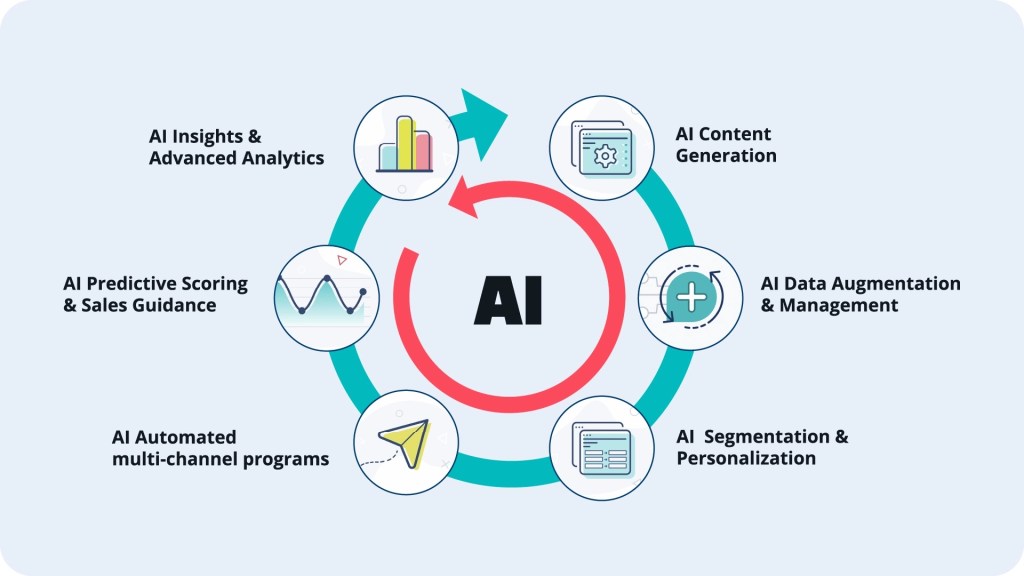
One of the most significant impacts of AI in email marketing is its ability to enable personalization at an unprecedented scale. According to a report by McKinsey & Company, personalization can deliver five to eight times the ROI on marketing spend [1]. By leveraging AI algorithms to analyze customer data, marketers can now create highly targeted and relevant email content that resonates with each individual recipient.
Predictive Analytics: Anticipating Customer Needs
AI-driven predictive analytics use historical data to forecast future behavior and trends, enabling marketers to anticipate customer needs and preferences. For email marketers, this means predicting the best times to send emails, the content that will generate the most engagement, and even identifying potential churn or upsell opportunities.
Salesforce research shows that high-performing marketing teams are 9.7x more likely to use predictive intelligence [2]. By harnessing the power of predictive analytics, email marketers can optimize their campaigns, improve customer retention, and drive higher conversion rates.
Enhanced Segmentation: Unlocking Deeper Insights
Beyond basic demographic segmentation, AI enables more nuanced segmentation based on behavior, preferences, and engagement patterns. This approach leads to more effective and efficient campaigns, as noted in a study by Campaign Monitor, which found that marketers have noted a 760% increase in email revenue from segmented campaigns [3].
By leveraging AI-powered segmentation, email marketers can create highly targeted content, deliver personalized recommendations, and nurture leads more effectively, ultimately driving better results and a stronger return on investment.
Automated Content Personalization
AI-powered personalization goes beyond just segmentation; it can also automate the creation of personalized email content. By analyzing customer data, AI algorithms can generate dynamic, customized content that speaks directly to each recipient’s interests, behaviors, and stage in the customer journey.
This level of personalization not only enhances the customer experience but also leads to higher engagement, conversion rates, and customer loyalty. According to a study by Epsilon, 80% of consumers are more likely to make a purchase when brands offer personalized experiences.
Automating the Email Marketing Workflow
In addition to enabling personalization, the integration of AI and automation in email marketing also streamlines the entire workflow, allowing marketers to focus on strategic planning and creative endeavors rather than repetitive, time-consuming tasks.
Automating Routine Tasks
Automation in email marketing takes over repetitive tasks such as sending welcome emails, follow-up messages, and nurturing leads. This not only saves time but also ensures timely and consistent communication with customers. According to a report by HubSpot, automation in marketing drives a 14.5% increase in sales productivity.
By automating these routine tasks, email marketers can free up valuable resources to invest in more strategic initiatives, such as developing innovative campaign ideas, testing new approaches, and analyzing performance data to drive continuous improvement.
Chatbots and Conversational Email
AI-powered chatbots integrated into email campaigns can provide instant customer service, answering queries and guiding users through a personalized email journey. Gartner predicts that by 2023, customers will prefer using speech interfaces to initiate 70% of self-service customer interactions.
Conversational email, powered by AI-driven chatbots, allows marketers to create more engaging and interactive email experiences. Customers can ask questions, provide feedback, and even make purchases directly within the email, enhancing the overall customer experience and driving higher conversion rates.
Automated A/B Testing and Optimization
AI can also automate the process of A/B testing email campaigns, analyzing the performance of different subject lines, content variations, and send times to determine the most effective approach. By continuously testing and optimizing email campaigns, marketers can maximize the impact of their efforts and drive better results.
Moreover, AI-powered optimization can extend beyond individual campaigns, helping marketers identify patterns and trends across their entire email marketing program. This holistic approach enables more informed decision-making and the continuous refinement of email marketing strategies.
Overcoming Challenges and Considerations
While the integration of AI and automation in email marketing offers numerous benefits, it also presents a unique set of challenges that marketers must navigate.
Privacy Concerns and Data Security
Privacy concerns and data security are paramount, especially with the implementation of stringent regulations like the General Data Protection Regulation (GDPR) and the California Consumer Privacy Act (CCPA). Marketers must ensure that they are collecting, storing, and using customer data in compliance with these regulations, protecting the privacy and security of their audience.
Failure to adhere to these guidelines can result in significant fines and damage to a brand’s reputation. Marketers must work closely with their legal and IT teams to establish robust data governance policies and implement the necessary safeguards to protect customer information.
Balancing Automation and Human Touch
While automation can significantly improve efficiency and scalability, it is crucial to maintain a balance between automation and a human touch. Overly robotic or impersonal email interactions can alienate customers and erode trust in the brand.
Marketers must carefully consider the appropriate level of automation, ensuring that personalized, empathetic communication is still present throughout the customer journey. This may involve incorporating human-written content, personalized signatures, or the ability for customers to easily connect with a real person when needed.
Ethical Considerations and Transparency
As AI and automation become more prevalent in email marketing, there are also ethical considerations that marketers must address. Transparency around the use of these technologies, as well as the responsible and ethical application of data-driven insights, is essential to maintaining trust and building long-term customer relationships.
Marketers should be upfront about the use of AI and automation in their email campaigns, clearly communicating the benefits to customers and providing them with the ability to opt-out or adjust their preferences if desired. By fostering transparency and ethical practices, brands can demonstrate their commitment to customer-centricity and build stronger, more meaningful connections.
Embracing the Future of Email Marketing
To stay competitive and relevant in the digital age, businesses must embrace the integration of AI and automation into their email marketing strategies. These technologies not only enhance efficiency but also provide deeper insights into customer behavior, leading to more effective and personalized marketing efforts.
Driving Engagement and Loyalty
By leveraging AI-powered personalization and automation, email marketers can deliver more engaging and relevant content that resonates with their audience. Personalized subject lines, dynamic content, and tailored recommendations can significantly improve open rates, click-through rates, and overall customer engagement.
Moreover, the seamless integration of AI and automation can foster stronger customer loyalty by providing a consistently positive and personalized experience across the entire customer journey. This, in turn, can lead to increased customer lifetime value, higher retention rates, and more opportunities for cross-selling and upselling.
Improving Operational Efficiency
The automation of routine tasks, such as lead nurturing, customer segmentation, and campaign optimization, frees up valuable time and resources for email marketers. This allows them to focus on more strategic initiatives, such as developing innovative campaign ideas, testing new approaches, and analyzing performance data to drive continuous improvement.
By streamlining the email marketing workflow, businesses can achieve greater operational efficiency, reduce the risk of human error, and ensure the timely and consistent delivery of email communications. This, in turn, can lead to improved campaign performance, higher ROI, and a more agile and responsive marketing organization.
Unlocking Data-Driven Insights
The integration of AI and automation in email marketing provides marketers with a wealth of data-driven insights that can inform strategic decision-making. By leveraging predictive analytics, advanced segmentation, and automated testing and optimization, businesses can gain a deeper understanding of their customers’ behaviors, preferences, and pain points.
These insights can then be used to refine email marketing strategies, develop more targeted and effective campaigns, and make data-driven decisions that drive better results. As the volume and complexity of customer data continue to grow, the ability to harness AI-powered analytics will become increasingly crucial for maintaining a competitive edge in the email marketing landscape.
Enhancing the Customer Experience
Ultimately, the integration of AI and automation in email marketing is about enhancing the overall customer experience. By delivering personalized, relevant, and timely email communications, businesses can build stronger, more meaningful relationships with their customers.
Whether it’s through AI-powered chatbots that provide instant customer service, or automated campaigns that anticipate and address customer needs, the use of these technologies can create a seamless, engaging, and valuable experience for the recipient. This, in turn, can lead to increased customer satisfaction, loyalty, and advocacy – all of which are essential for long-term business success.
Conclusion: The Future is Now
The integration of AI and automation in email marketing is not just a trend but a fundamental shift in the way businesses communicate with their audiences. By leveraging these technologies, marketers can deliver more personalized, efficient, and engaging email experiences that drive success in the digital age.
As the pace of technological change continues to accelerate, the businesses that embrace the power of AI and automation in email marketing will be the ones that thrive in the years to come. By staying ahead of the curve, adapting to new trends, and continuously optimizing their strategies, marketers can unlock the full potential of email marketing and position their brands for long-term growth and success.
Learn more:
- AI and Automation in Email Marketing: The Future is Here
- AI Advances To Make Most Impact On Email Marketing Automation
- How to create an effective email marketing strategy? – LianaTech.com
Share:👇
Subscribe to get more of such amazing content 👇
Related post
- How to Start a Print on Demand Business: A Comprehensive Guide
 Share:👇 Starting a print on demand (POD) business can be an exciting and profitable venture, especially in today’s era of e-commerce. Whether you’re an artist looking to monetize your designs or an entrepreneur exploring new business avenues, the POD model offers a low-risk, scalable method of selling custom products without the need for inventory or… Read more: How to Start a Print on Demand Business: A Comprehensive Guide
 - Mistakes Most Young Entrepreneurs Make When Starting an Online Business
 Share:👇 Starting an online business can be an exciting and rewarding venture for young entrepreneurs, but it also comes with its fair share of challenges. Many young entrepreneurs make common mistakes that can hinder their success and lead to the downfall of their businesses. In this comprehensive guide, we will explore the most prevalent mistakes… Read more: Mistakes Most Young Entrepreneurs Make When Starting an Online Business
 - Starting a Dropshipping Website on Spocket: What You Need to Know
 Share:👇 Introduction In the ever-evolving world of e-commerce, dropshipping has emerged as a game-changing business model that has revolutionized the way entrepreneurs approach online retail. Spocket, a leading dropshipping platform, has become a popular choice for those looking to venture into this lucrative space. [1] This comprehensive guide will delve into the intricacies of starting… Read more: Starting a Dropshipping Website on Spocket: What You Need to Know
 - The 10 Best Dropshipping Websites for Ecommerce Success in 2024
 Share:👇 Introduction In the ever-evolving world of ecommerce, dropshipping has emerged as a game-changing business model that allows entrepreneurs to start and scale online stores without the hassle of managing inventory. By partnering with reliable suppliers, dropshipping enables you to offer a wide range of products to your customers while minimizing upfront costs and overhead.… Read more: The 10 Best Dropshipping Websites for Ecommerce Success in 2024
 - The Ultimate Guide to the Best Affiliate Marketing Websites
 Share:👇 Introduction Affiliate marketing has become one of the most popular ways to earn passive income online. With the right strategies and tools, you can turn your website into a revenue-generating machine. In this guide, we’ll explore the best affiliate marketing websites, provide in-depth reviews, and share tips on how to maximize your earnings. What… Read more: The Ultimate Guide to the Best Affiliate Marketing Websites
 - Mastering Long-Form Content for SEO in 2024 and Beyond
 Share:👇 In the ever-evolving world of search engine optimization (SEO), the importance of long-form content has become increasingly apparent. As Google and other search engines continue to prioritize high-quality, in-depth information, crafting compelling long-form content has become a crucial strategy for businesses and content creators looking to rank higher in search results and engage their… Read more: Mastering Long-Form Content for SEO in 2024 and Beyond
 - The Rise of AI in SEO: Navigating the Changing Landscape of Search Engine Optimization in 2024 and Beyond
 Share:👇 Introduction: The Evolving Role of AI in SEO As we look ahead to 2024 and beyond, the world of search engine optimization (SEO) is undergoing a profound transformation, driven largely by the rapid advancements in artificial intelligence (AI) technology. The impact of AI on SEO is undeniable, presenting both opportunities and challenges for marketers,… Read more: The Rise of AI in SEO: Navigating the Changing Landscape of Search Engine Optimization in 2024 and Beyond
 - The Transformative Role of Blockchain in Digital Marketing
 Share:👇 Introduction In the ever-evolving landscape of digital marketing, the emergence of blockchain technology has sparked a revolution, redefining the way businesses engage with their customers and approach their marketing strategies. As the digital world continues to grapple with issues of transparency, data security, and trust, blockchain has emerged as a game-changing solution, offering a… Read more: The Transformative Role of Blockchain in Digital Marketing
 - Unlocking the Power of Facebook Ads: A Comprehensive Guide to Maximizing ROI
 Share:👇 In the ever-evolving digital landscape, Facebook ads have emerged as a powerful tool for businesses of all sizes to reach and engage their target audience. With over 2.9 billion monthly active users, Facebook provides unparalleled access to a vast and diverse customer base, making it an essential component of any comprehensive marketing strategy. However,… Read more: Unlocking the Power of Facebook Ads: A Comprehensive Guide to Maximizing ROI
 - The Future of Affiliate Marketing: Navigating the Evolving Landscape
 Share:👇 Introduction: The Affiliate Marketing Landscape in Flux In the ever-changing world of digital marketing, affiliate marketing has emerged as a powerful and lucrative strategy for businesses and individuals alike. As the industry continues to evolve, it’s crucial for both seasoned and aspiring affiliate marketers to stay ahead of the curve and understand the trends… Read more: The Future of Affiliate Marketing: Navigating the Evolving Landscape
 - How to Use Pinterest for Business: A Comprehensive Guide
 Share:👇 Introduction In the ever-evolving landscape of digital marketing, businesses are constantly seeking new and innovative ways to reach their target audience. One platform that has emerged as a powerful tool for businesses is Pinterest. With its visually-driven nature and growing user base, Pinterest offers a unique opportunity for businesses to showcase their products, services,… Read more: How to Use Pinterest for Business: A Comprehensive Guide
 - The Vital Role of Customer Experience in Digital Marketing
 Share:👇 In the ever-evolving landscape of digital marketing, the importance of customer experience (CX) cannot be overstated. As businesses strive to stand out in an increasingly crowded online space, delivering a seamless, engaging, and personalized customer journey has become a critical differentiator. The digital age has empowered consumers with an abundance of choices and information… Read more: The Vital Role of Customer Experience in Digital Marketing