
Share:👇
Introduction
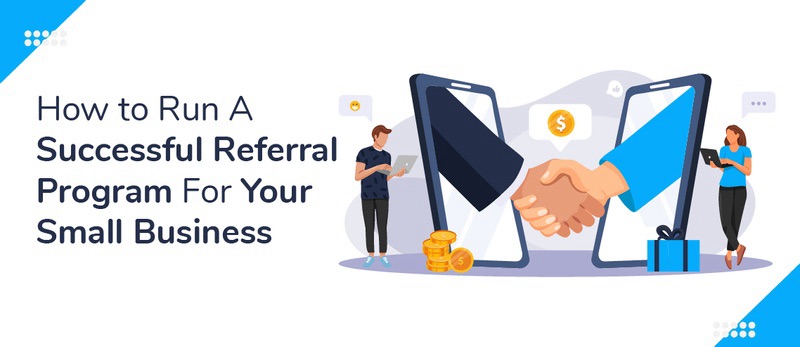
In the competitive world of e-commerce, standing out from the crowd and attracting new customers is crucial for business growth. One highly effective strategy to achieve this is through the implementation of a well-designed referral program. A successful referral program can not only help you acquire new customers but also foster loyalty and advocacy among your existing customer base.
In this comprehensive guide, we will explore the key steps to building a successful referral program for your e-commerce store. We’ll cover everything from defining your program’s goals and incentives to promoting it effectively and measuring its impact. By the end of this article, you’ll have the knowledge and tools to create a referral program that can drive sustainable growth for your online business.
Understanding the Benefits of a Referral Program
Implementing a referral program for your e-commerce store can offer a range of benefits:
- Increased Customer Acquisition: Referrals from satisfied customers are often more trustworthy and effective than traditional advertising. Studies have shown that referred customers have a higher lifetime value and are more likely to become loyal, repeat buyers.
- Improved Customer Retention: Rewarding customers for referring their friends and family can foster a sense of loyalty and engagement, leading to higher customer retention rates.
- Cost-Effective Marketing: Referral programs are generally more cost-effective than other marketing channels, as you’re leveraging the power of word-of-mouth to reach new potential customers.
- Stronger Brand Awareness: When your customers actively promote your brand to their networks, it can lead to increased brand awareness and a more positive brand reputation.
- Valuable Insights: Analyzing the performance of your referral program can provide valuable insights into customer behavior, preferences, and the most effective marketing channels for your business.
Defining Your Referral Program Goals and Incentives
Before you start implementing your referral program, it’s important to clearly define your goals and the incentives you’ll offer to participants. This will help you design a program that aligns with your overall business objectives and ensures that both your customers and your business benefit from the partnership.
Defining Your Goals
Some common goals for a referral program include:
- Increasing customer acquisition
- Boosting customer retention and lifetime value
- Improving brand awareness and reputation
- Generating more revenue or sales
- Gathering valuable customer data and insights
It’s important to set SMART (Specific, Measurable, Achievable, Relevant, and Time-bound) goals to ensure the success of your referral program.
Determining Referral Incentives
The next step is to decide on the most appropriate incentives for your referral program. These can take various forms, such as:
- Monetary rewards (e.g., discounts, cash back, or store credit)
- Non-monetary rewards (e.g., exclusive products, VIP experiences, or loyalty program points)
- A combination of both monetary and non-monetary rewards
When choosing your incentives, consider factors such as your target audience, your product or service offerings, and your overall marketing strategy. It’s also important to ensure that the rewards are compelling enough to motivate your customers to participate, without being overly costly for your business.
Designing an Effective Referral Program
Once you’ve defined your goals and incentives, it’s time to design the structure and mechanics of your referral program. Here are the key steps to consider:
Create a Seamless Referral Process
Ensure that the referral process is simple, intuitive, and easy for your customers to use. This may involve integrating a referral tool or plugin into your e-commerce platform, or developing a custom referral system.
The referral process should include the following elements:
- Referral Sharing: Provide your customers with various channels to share your referral offer, such as email, social media, messaging apps, or a shareable link.
- Tracking and Attribution: Implement a system to track referred customers and attribute sales or signups to the correct referrer.
- Reward Fulfillment: Automate the process of delivering rewards to both the referrer and the referred customer, ensuring a smooth and timely experience.
Personalize the Referral Experience
Tailor the referral experience to your customers’ preferences and behaviors. This can include:
- Customized Referral Offers: Segment your customers and offer personalized incentives based on their purchase history, interests, or other relevant factors.
- Branded Referral Assets: Ensure that your referral materials, such as email templates or social media posts, are aligned with your brand’s visual identity and messaging.
- Targeted Promotion: Identify your most engaged and influential customers and proactively encourage them to participate in your referral program.
Integrate with Your Marketing Efforts
Seamlessly integrate your referral program with your overall marketing strategy to maximize its reach and impact. This can include:
- Promotion on Your Website: Prominently feature your referral program on your homepage, product pages, and checkout process.
- Email Marketing: Regularly promote your referral program through your email campaigns, targeting both existing and new customers.
- Social Media: Leverage your social media channels to share referral program updates, success stories, and incentives.
- Influencer and Affiliate Partnerships: Collaborate with relevant influencers or affiliate partners to amplify your referral program’s visibility.
Continuously Optimize and Iterate
Regularly monitor the performance of your referral program and make adjustments as needed. This may involve:
- A/B Testing: Experiment with different referral offers, messaging, and design elements to identify the most effective approach.
- Feedback and Surveys: Gather feedback from your customers to understand their motivations, pain points, and suggestions for improvement.
- Data Analysis: Analyze key metrics, such as referral acquisition rates, conversion rates, and customer lifetime value, to identify opportunities for optimization.
By continuously refining your referral program based on data and customer feedback, you can ensure that it remains effective and engaging over time.
Promoting Your Referral Program
Effective promotion is key to driving participation and generating tangible results from your referral program. Here are some strategies to consider:
Leverage Your Existing Channels
Utilize your existing communication channels to spread the word about your referral program. This can include:
- Email Marketing: Promote your referral program through your regular email newsletters, welcome emails, or targeted campaigns.
- Social Media: Share referral program updates, success stories, and incentives across your social media platforms.
- In-Store or In-App Promotion: If you have a physical or mobile presence, prominently display your referral program information and instructions.
- Content Marketing: Incorporate references to your referral program in your blog posts, product guides, or other relevant content.
Incentivize Referral Sharing
Provide additional incentives or rewards to encourage your customers to actively share your referral program with their networks. This could include:
- Tiered Rewards: Offer higher rewards for customers who refer more people or generate a certain amount of sales.
- Referral Leaderboards: Create friendly competition by showcasing your top-performing referrers and their rewards.
- Referral Contests: Run time-limited contests with attractive prizes to boost referral activity during specific periods.
Leverage Influencers and Partnerships
Collaborate with relevant influencers, bloggers, or complementary businesses to amplify the reach of your referral program. This can involve:
- Influencer Partnerships: Invite influencers or industry experts to promote your referral program to their audience.
- Affiliate Partnerships: Offer commission-based referral incentives to affiliates who drive new customer signups or sales.
- Cross-Promotion: Explore opportunities to cross-promote your referral program with complementary brands or services.
By utilizing a multi-channel approach and incentivizing referral sharing, you can maximize the visibility and engagement of your referral program.
Measuring and Optimizing Your Referral Program
To ensure the long-term success of your referral program, it’s essential to track and analyze its performance. Here are some key metrics to monitor and the steps to optimize your program:
Key Performance Metrics
- Referral Acquisition Rate: The percentage of new customers acquired through your referral program.
- Referral Conversion Rate: The percentage of referred customers who make a purchase or complete a desired action.
- Referral Customer Lifetime Value: The average revenue generated by customers acquired through your referral program.
- Referral Program ROI: The return on investment for your referral program, calculated by dividing the revenue generated by the program’s costs.
Optimizing Your Referral Program
- Analyze Referral Data: Review the performance metrics regularly to identify trends, patterns, and areas for improvement.
- Segment and Personalize: Tailor your referral program’s incentives and messaging based on customer segments, such as high-value customers or new buyers.
- Test and Iterate: Experiment with different referral offers, design elements, and promotional strategies to optimize your program’s effectiveness.
- Gather Customer Feedback: Solicit feedback from your customers to understand their motivations, pain points, and suggestions for improving the referral experience.
- Integrate with Other Channels: Seamlessly connect your referral program with your other marketing initiatives, such as email campaigns or social media, to create a cohesive and synergistic customer experience.
- Continuously Improve: Regularly review and refine your referral program based on the insights gained from your performance data and customer feedback.
By closely monitoring your referral program’s performance and continuously optimizing it, you can ensure that it remains a sustainable and impactful growth strategy for your e-commerce business.
Conclusion
Building a successful referral program for your e-commerce store can be a powerful way to drive customer acquisition, retention, and loyalty. By defining your goals, designing an effective program, promoting it effectively, and continuously measuring and optimizing its performance, you can unlock the full potential of referral marketing to fuel the growth of your online business.
Remember, a well-executed referral program is not a one-time initiative but rather a long-term strategy that requires ongoing attention and refinement. By staying agile, data-driven, and customer-centric, you can create a referral program that delivers tangible results and sets your e-commerce store apart from the competition.
References
- The Ultimate Guide to Building a Successful Referral Program
- 7 Examples of Successful Referral Programs (and Why They Work)
- How to Create a Referral Program That Actually Works
- The Anatomy of a High-Converting Referral Program
- How to Measure the Success of Your Referral Program
Share:👇
Subscribe to get more of such amazing content 👇
Related post
- How to Start a Print on Demand Business: A Comprehensive Guide
 Share:👇 Starting a print on demand (POD) business can be an exciting and profitable venture, especially in today’s era of e-commerce. Whether you’re an artist looking to monetize your designs or an entrepreneur exploring new business avenues, the POD model offers a low-risk, scalable method of selling custom products without the need for inventory or… Read more: How to Start a Print on Demand Business: A Comprehensive Guide
 - Mistakes Most Young Entrepreneurs Make When Starting an Online Business
 Share:👇 Starting an online business can be an exciting and rewarding venture for young entrepreneurs, but it also comes with its fair share of challenges. Many young entrepreneurs make common mistakes that can hinder their success and lead to the downfall of their businesses. In this comprehensive guide, we will explore the most prevalent mistakes… Read more: Mistakes Most Young Entrepreneurs Make When Starting an Online Business
 - Starting a Dropshipping Website on Spocket: What You Need to Know
 Share:👇 Introduction In the ever-evolving world of e-commerce, dropshipping has emerged as a game-changing business model that has revolutionized the way entrepreneurs approach online retail. Spocket, a leading dropshipping platform, has become a popular choice for those looking to venture into this lucrative space. [1] This comprehensive guide will delve into the intricacies of starting… Read more: Starting a Dropshipping Website on Spocket: What You Need to Know
 - The 10 Best Dropshipping Websites for Ecommerce Success in 2024
 Share:👇 Introduction In the ever-evolving world of ecommerce, dropshipping has emerged as a game-changing business model that allows entrepreneurs to start and scale online stores without the hassle of managing inventory. By partnering with reliable suppliers, dropshipping enables you to offer a wide range of products to your customers while minimizing upfront costs and overhead.… Read more: The 10 Best Dropshipping Websites for Ecommerce Success in 2024
 - The Ultimate Guide to the Best Affiliate Marketing Websites
 Share:👇 Introduction Affiliate marketing has become one of the most popular ways to earn passive income online. With the right strategies and tools, you can turn your website into a revenue-generating machine. In this guide, we’ll explore the best affiliate marketing websites, provide in-depth reviews, and share tips on how to maximize your earnings. What… Read more: The Ultimate Guide to the Best Affiliate Marketing Websites
 - Mastering Long-Form Content for SEO in 2024 and Beyond
 Share:👇 In the ever-evolving world of search engine optimization (SEO), the importance of long-form content has become increasingly apparent. As Google and other search engines continue to prioritize high-quality, in-depth information, crafting compelling long-form content has become a crucial strategy for businesses and content creators looking to rank higher in search results and engage their… Read more: Mastering Long-Form Content for SEO in 2024 and Beyond
 - The Rise of AI in SEO: Navigating the Changing Landscape of Search Engine Optimization in 2024 and Beyond
 Share:👇 Introduction: The Evolving Role of AI in SEO As we look ahead to 2024 and beyond, the world of search engine optimization (SEO) is undergoing a profound transformation, driven largely by the rapid advancements in artificial intelligence (AI) technology. The impact of AI on SEO is undeniable, presenting both opportunities and challenges for marketers,… Read more: The Rise of AI in SEO: Navigating the Changing Landscape of Search Engine Optimization in 2024 and Beyond
 - The Transformative Role of Blockchain in Digital Marketing
 Share:👇 Introduction In the ever-evolving landscape of digital marketing, the emergence of blockchain technology has sparked a revolution, redefining the way businesses engage with their customers and approach their marketing strategies. As the digital world continues to grapple with issues of transparency, data security, and trust, blockchain has emerged as a game-changing solution, offering a… Read more: The Transformative Role of Blockchain in Digital Marketing
 - Unlocking the Power of Facebook Ads: A Comprehensive Guide to Maximizing ROI
 Share:👇 In the ever-evolving digital landscape, Facebook ads have emerged as a powerful tool for businesses of all sizes to reach and engage their target audience. With over 2.9 billion monthly active users, Facebook provides unparalleled access to a vast and diverse customer base, making it an essential component of any comprehensive marketing strategy. However,… Read more: Unlocking the Power of Facebook Ads: A Comprehensive Guide to Maximizing ROI
 - The Future of Affiliate Marketing: Navigating the Evolving Landscape
 Share:👇 Introduction: The Affiliate Marketing Landscape in Flux In the ever-changing world of digital marketing, affiliate marketing has emerged as a powerful and lucrative strategy for businesses and individuals alike. As the industry continues to evolve, it’s crucial for both seasoned and aspiring affiliate marketers to stay ahead of the curve and understand the trends… Read more: The Future of Affiliate Marketing: Navigating the Evolving Landscape