
Share:👇
Introduction: The Evolving Landscape of Influencer Marketing
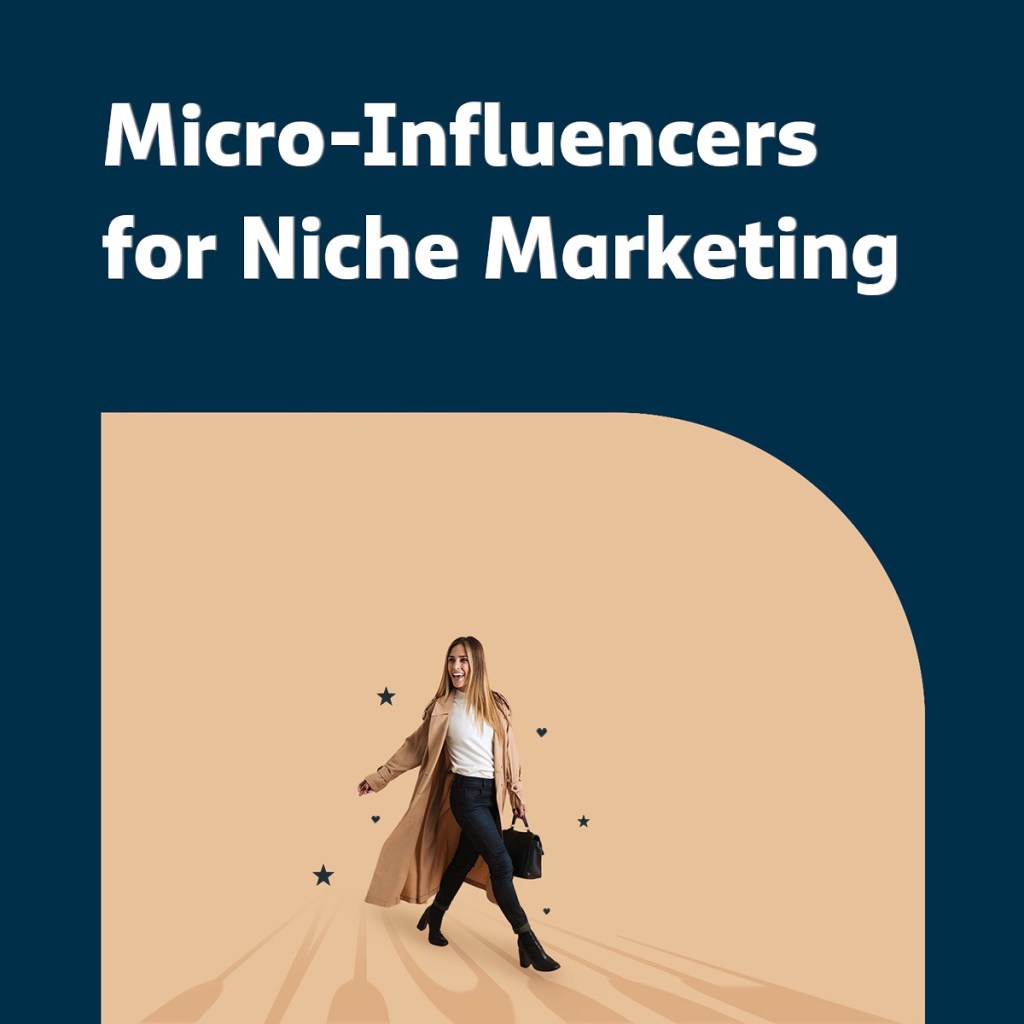
In the ever-changing world of digital marketing, one trend is steadily gaining traction: the rise of micro-influencers. These social media stars may not boast millions of followers, but their impact on brand awareness, audience engagement, and marketing ROI is undeniable.
As the dominance of celebrity endorsements slowly fades, micro-influencers are revolutionizing the way brands connect with their target audiences. With their authentic voices, hyper-targeted reach, and engaged communities, these niche-focused content creators are proving that small can indeed be mighty in the world of digital marketing.
In this comprehensive article, we’ll delve into the power of micro-influencers, explore the key advantages they offer over traditional influencer strategies, and outline effective strategies for identifying and collaborating with these influential individuals. We’ll also showcase real-world examples of successful micro-influencer campaigns across various industries, demonstrating the tangible results that can be achieved.
The Power of Niche: Why Micro-Influencers Reign Supreme
The landscape of influencer marketing is evolving, and the dominance of celebrity endorsements is slowly fading. While a famous face might grab initial attention, the authenticity and connection with the target audience are often lacking. Enter micro-influencers – individuals with follower counts typically ranging from 10,000 to 100,000, who possess deep expertise and passionate followings within specific niches.
Authenticity and Trust
Micro-influencers cultivate genuine relationships with their audience. They share personal experiences, offer in-depth product reviews, and foster a sense of community. This authenticity translates into higher trust, making their recommendations more believable and impactful compared to celebrity endorsements that often feel distant and impersonal. Studies by Mediakix show that 83% of consumers trust recommendations from micro-influencers more than traditional advertising. [1]
Hyper-Targeted Reach
Unlike mega-influencers with broad appeal, micro-influencers focus on specific niches. This allows brands to target a highly engaged audience that perfectly aligns with their target demographic. Imagine a fitness brand partnering with a yoga instructor with 50,000 dedicated followers rather than a Hollywood A-lister. The reach might be smaller, but the connection and conversion rate are likely to be far superior.
Engaged Communities
Micro-influencers foster a close-knit online community with their audience. This translates into higher engagement rates with their content. Likes, comments, and shares are more frequent, leading to organic brand exposure and increased brand sentiment. A study by Socialbakers reveals that micro-influencers generate an average engagement rate of 5.6%, compared to just 1.7% for mega-influencers. [2]
Cost-Effectiveness
Partnering with micro-influencers is significantly more affordable compared to mega-celebrities. This makes them a viable option for startups and brands with smaller marketing budgets. Micro-influencers may also be open to barter arrangements, offering product promotion in exchange for free samples or services.
Measurable Results
Tracking the success of a micro-influencer campaign is easier due to the smaller audience size. Brands can monitor key metrics like website traffic, conversion rates, and engagement with sponsored content, allowing for real-time optimization and maximizing campaign effectiveness.
Finding Your Perfect Match: Strategies for Identifying and Collaborating with Micro-Influencers
Now that we understand the power of micro-influencers, how do you find the right ones to collaborate with for your brand? Let’s explore some effective strategies:
Identify Your Niche
The first step is to clearly define your target audience and brand niche. This will help you pinpoint the micro-influencers whose audience aligns best with yours. Research relevant hashtags, online communities, and social media platforms where your ideal customers are active.
Utilize Influencer Marketing Platforms
Several online platforms specialize in connecting brands with micro-influencers. These platforms allow you to search for influencers based on demographics, interests, and follower statistics. Popular options include AspireIQ, HypeAuditor, and Traackr.
Social Listening Tools
Social media listening tools like Brandwatch or Sprout Social can help you identify micro-influencers who are already organically mentioning your brand or similar products. Look for individuals with a positive brand sentiment and a history of engaging content.
Track Industry Conversations
Monitor online conversations relevant to your industry by following relevant hashtags and industry publications. Identify individuals who consistently contribute insightful content and engage with their audience.
Focus on Quality Over Quantity
Don’t be solely swayed by follower count. Prioritize engagement metrics and the quality of the influencer’s content. Look for micro-influencers who consistently create engaging content that resonates with their audience.
Building Relationships
Once you’ve identified potential partners, take the time to build genuine relationships. Engage with their content, leave thoughtful comments, and understand their style and audience. This will help lay the groundwork for a successful collaboration.
Transparency and Clear Communication
Be upfront about your campaign goals and expectations. Clearly outline the scope of the collaboration, compensation details, and content deliverables. Ensure the influencer understands your brand values and messaging to ensure an authentic and effective campaign.
Case Studies: Micro-Influencers Making a Big Impact
The power of micro-influencers transcends theory. Here are some real-world examples of successful micro-influencer marketing campaigns across various industries:
Outdoor Apparel Brand and Hiking Micro-Influencer
Brand: Cotopaxi, an outdoor apparel company known for its commitment to social responsibility.
Micro-Influencer: @kristen.adventurer, an avid hiker with 35,000 followers who documents her backpacking trips on Instagram.
Campaign: Cotopaxi partnered with Kristen to promote their new line of eco-friendly hiking backpacks. Kristen shared a series of authentic photos and stories showcasing the backpacks’ functionality and durability on her challenging hikes. She also highlighted Cotopaxi’s social responsibility initiatives, resonating with her environmentally conscious followers.
Results: The campaign resulted in a significant increase in website traffic to Cotopaxi’s backpack product page, with a 20% conversion rate from Kristen’s followers. Engagement on her posts promoting the backpacks was high, with many followers asking questions and expressing interest in purchasing the product.
Sustainable Beauty Brand and Eco-Conscious Micro-Influencer
Brand: ILIA Beauty, a brand offering clean and sustainable makeup products.
Micro-Influencer: @glowwithgrace_, a beauty blogger with 20,000 followers who focuses on natural and organic beauty products.
Campaign: ILIA partnered with Grace to promote their new line of organic lipsticks. Grace created a series of tutorials and reviews showcasing the lipsticks’ natural ingredients and vibrant colors. She also emphasized ILIA’s commitment to sustainability, which aligned perfectly with her audience’s values.
Results: The campaign led to a surge in sales of the new lipsticks, with a direct link traced back to Grace’s promotions. ILIA also saw a significant increase in their social media following, with many new followers coming from Grace’s recommendation.
Travel Agency and Budget Travel Micro-Influencer
Brand: Intrepid Travel, a travel agency specializing in adventure tours for budget-conscious travelers.
Micro-Influencer: @thebrokebackpacker, a travel blogger with 40,000 followers who shares budget travel tips and stunning travel photography.
Campaign: Intrepid Travel partnered with the Broke Backpacker to promote their affordable adventure tours in Southeast Asia. The Broke Backpacker documented his experiences on an Intrepid tour, showcasing the incredible sights, cultural experiences, and value for money.
Results: The campaign generated significant interest in Intrepid’s Southeast Asia tours, with a surge in website traffic and inquiries from the Broke Backpacker’s audience. Many viewers were impressed with the affordability and authenticity of the tours, leading to a rise in bookings.
Fitness App and Yoga Instructor Micro-Influencer
Brand: Down Dog, a popular yoga and fitness app.
Micro-Influencer: @yogawithmaria, a certified yoga instructor with 25,000 followers who shares yoga routines and mindfulness tips on Instagram.
Campaign: Down Dog partnered with Yoga with Maria to promote their app as a convenient way to practice yoga at home. Maria created a series of short video tutorials showcasing beginner-friendly yoga sequences using the Down Dog app.
Results: The campaign led to a substantial increase in app downloads from Maria’s followers. Many viewers expressed appreciation for the clear and accessible yoga routines offered by Down Dog, expanding their user base.
These case studies illustrate the diverse applications of micro-influencer marketing. From promoting outdoor gear to beauty products, travel experiences, and fitness apps, micro-influencers can effectively connect brands with their target audience and drive tangible results.
The Future of Micro-Influencer Marketing: Building Long-Term Partnerships
The rise of micro-influencers represents a significant shift in the digital marketing landscape. As consumers become increasingly skeptical of traditional advertising, brands must prioritize authenticity and relationship building. Micro-influencers offer a unique opportunity to achieve this by fostering genuine connections with their audience and acting as brand advocates.
Looking ahead, the future of micro-influencer marketing lies in cultivating long-term partnerships. Instead of one-off collaborations, brands that build lasting relationships with micro-influencers who align with their values can benefit from consistent brand messaging and a loyal influencer community. As micro-influencers gain the trust of their audience, their recommendations become even more powerful, driving brand loyalty and customer acquisition.
Here are some key takeaways for brands looking to leverage the power of micro-influencers:
- Embrace Authenticity: Prioritize partnerships with micro-influencers who can genuinely connect with your target audience and create content that resonates with their values and interests.
- Leverage Niche Expertise: Identify micro-influencers who are experts in your industry or product category, as their deep understanding and passion can translate into more effective and impactful campaigns.
- Invest in Long-Term Relationships: Cultivate ongoing partnerships with micro-influencers, allowing for consistent brand messaging, increased trust, and the ability to adapt campaigns based on audience feedback.
- Measure and Optimize: Closely track the performance of your micro-influencer campaigns, using data-driven insights to refine your strategies and maximize ROI.
- Empower Micro-Influencers: Give your micro-influencer partners the creative freedom to develop authentic content that resonates with their audience, while providing clear guidelines to ensure brand alignment.
By embracing the power of micro-influencers and building long-term, mutually beneficial partnerships, brands can unlock a new era of digital marketing success – one where small, niche-focused voices can make a big impact.
Learn more:
- The Rise of Micro-Influencers – Oracle Tree
- The Rise of Micro Influencers
- The Rise of Micro-Influencers: Why Small Can Be Mighty in Digital Marketing | by Owen Mantz | Medium
Share:👇
Subscribe to get more of such amazing content 👇
Related post
- How to Start a Print on Demand Business: A Comprehensive Guide
 Share:👇 Starting a print on demand (POD) business can be an exciting and profitable venture, especially in today’s era of e-commerce. Whether you’re an artist looking to monetize your designs or an entrepreneur exploring new business avenues, the POD model offers a low-risk, scalable method of selling custom products without the need for inventory or… Read more: How to Start a Print on Demand Business: A Comprehensive Guide
 - Mistakes Most Young Entrepreneurs Make When Starting an Online Business
 Share:👇 Starting an online business can be an exciting and rewarding venture for young entrepreneurs, but it also comes with its fair share of challenges. Many young entrepreneurs make common mistakes that can hinder their success and lead to the downfall of their businesses. In this comprehensive guide, we will explore the most prevalent mistakes… Read more: Mistakes Most Young Entrepreneurs Make When Starting an Online Business
 - Starting a Dropshipping Website on Spocket: What You Need to Know
 Share:👇 Introduction In the ever-evolving world of e-commerce, dropshipping has emerged as a game-changing business model that has revolutionized the way entrepreneurs approach online retail. Spocket, a leading dropshipping platform, has become a popular choice for those looking to venture into this lucrative space. [1] This comprehensive guide will delve into the intricacies of starting… Read more: Starting a Dropshipping Website on Spocket: What You Need to Know
 - The 10 Best Dropshipping Websites for Ecommerce Success in 2024
 Share:👇 Introduction In the ever-evolving world of ecommerce, dropshipping has emerged as a game-changing business model that allows entrepreneurs to start and scale online stores without the hassle of managing inventory. By partnering with reliable suppliers, dropshipping enables you to offer a wide range of products to your customers while minimizing upfront costs and overhead.… Read more: The 10 Best Dropshipping Websites for Ecommerce Success in 2024
 - The Ultimate Guide to the Best Affiliate Marketing Websites
 Share:👇 Introduction Affiliate marketing has become one of the most popular ways to earn passive income online. With the right strategies and tools, you can turn your website into a revenue-generating machine. In this guide, we’ll explore the best affiliate marketing websites, provide in-depth reviews, and share tips on how to maximize your earnings. What… Read more: The Ultimate Guide to the Best Affiliate Marketing Websites
 - Mastering Long-Form Content for SEO in 2024 and Beyond
 Share:👇 In the ever-evolving world of search engine optimization (SEO), the importance of long-form content has become increasingly apparent. As Google and other search engines continue to prioritize high-quality, in-depth information, crafting compelling long-form content has become a crucial strategy for businesses and content creators looking to rank higher in search results and engage their… Read more: Mastering Long-Form Content for SEO in 2024 and Beyond
 - The Rise of AI in SEO: Navigating the Changing Landscape of Search Engine Optimization in 2024 and Beyond
 Share:👇 Introduction: The Evolving Role of AI in SEO As we look ahead to 2024 and beyond, the world of search engine optimization (SEO) is undergoing a profound transformation, driven largely by the rapid advancements in artificial intelligence (AI) technology. The impact of AI on SEO is undeniable, presenting both opportunities and challenges for marketers,… Read more: The Rise of AI in SEO: Navigating the Changing Landscape of Search Engine Optimization in 2024 and Beyond
 - The Transformative Role of Blockchain in Digital Marketing
 Share:👇 Introduction In the ever-evolving landscape of digital marketing, the emergence of blockchain technology has sparked a revolution, redefining the way businesses engage with their customers and approach their marketing strategies. As the digital world continues to grapple with issues of transparency, data security, and trust, blockchain has emerged as a game-changing solution, offering a… Read more: The Transformative Role of Blockchain in Digital Marketing
 - Unlocking the Power of Facebook Ads: A Comprehensive Guide to Maximizing ROI
 Share:👇 In the ever-evolving digital landscape, Facebook ads have emerged as a powerful tool for businesses of all sizes to reach and engage their target audience. With over 2.9 billion monthly active users, Facebook provides unparalleled access to a vast and diverse customer base, making it an essential component of any comprehensive marketing strategy. However,… Read more: Unlocking the Power of Facebook Ads: A Comprehensive Guide to Maximizing ROI
 - The Future of Affiliate Marketing: Navigating the Evolving Landscape
 Share:👇 Introduction: The Affiliate Marketing Landscape in Flux In the ever-changing world of digital marketing, affiliate marketing has emerged as a powerful and lucrative strategy for businesses and individuals alike. As the industry continues to evolve, it’s crucial for both seasoned and aspiring affiliate marketers to stay ahead of the curve and understand the trends… Read more: The Future of Affiliate Marketing: Navigating the Evolving Landscape
 - How to Use Pinterest for Business: A Comprehensive Guide
 Share:👇 Introduction In the ever-evolving landscape of digital marketing, businesses are constantly seeking new and innovative ways to reach their target audience. One platform that has emerged as a powerful tool for businesses is Pinterest. With its visually-driven nature and growing user base, Pinterest offers a unique opportunity for businesses to showcase their products, services,… Read more: How to Use Pinterest for Business: A Comprehensive Guide
 - The Vital Role of Customer Experience in Digital Marketing
 Share:👇 In the ever-evolving landscape of digital marketing, the importance of customer experience (CX) cannot be overstated. As businesses strive to stand out in an increasingly crowded online space, delivering a seamless, engaging, and personalized customer journey has become a critical differentiator. The digital age has empowered consumers with an abundance of choices and information… Read more: The Vital Role of Customer Experience in Digital Marketing



 Hubgenus