
Share:👇
Introduction
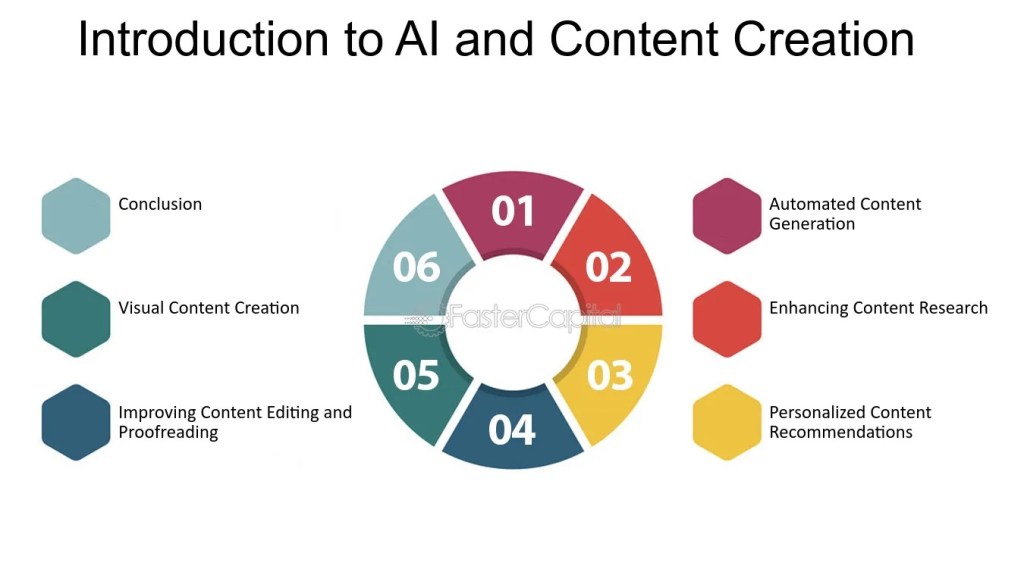
Artificial Intelligence (AI) has revolutionized the landscape of content creation, transforming the way we approach and execute the process of generating engaging, informative, and impactful digital content. As the capabilities of AI continue to evolve, its influence on the content creation industry has become increasingly profound, offering both opportunities and challenges for marketers, content creators, and businesses alike.
In this comprehensive article, we will delve into the multifaceted impact of AI on content creation, exploring how it is reshaping the industry, the benefits and drawbacks of AI-powered content generation, and the strategies for effectively integrating AI into content creation workflows. We will also discuss the implications of AI-generated content on search engine optimization (SEO) and the importance of maintaining a balance between human creativity and technological innovation.
The Rise of AI in Content Creation
The rapid advancements in AI technology have paved the way for a new era of content creation, where AI-powered tools and algorithms are playing an increasingly significant role. From natural language processing (NLP) to machine learning (ML) and deep learning, these AI-driven capabilities have enabled the automation and optimization of various aspects of the content creation process.
Automated Content Generation
One of the most prominent applications of AI in content creation is the ability to generate text, images, and even videos with remarkable speed and efficiency. AI-powered tools, such as GPT-3, Jasper, and DALL-E, can analyze vast amounts of data, identify patterns, and use that information to create original content that mimics human-written or -created material. [1] This automation has significantly increased the output and productivity of content creators, allowing them to focus on higher-level strategic and creative tasks.
Personalized Content Curation
AI algorithms can also analyze user data, preferences, and behaviors to curate and personalize content for individual users. By leveraging machine learning and predictive analytics, AI-driven content curation platforms can deliver tailored content experiences that are more relevant and engaging for the target audience. [2] This personalization not only enhances the user experience but also improves the effectiveness of content marketing strategies.
Content Optimization and Refinement
AI-powered tools can also assist in the optimization and refinement of content, ensuring it aligns with best practices and user preferences. AI algorithms can analyze content for readability, tone, grammar, and other key metrics, providing recommendations for improvement. [3] This can lead to more polished and effective content, ultimately enhancing its performance and impact.
Multilingual Content Creation
Another significant impact of AI in content creation is its ability to facilitate the translation and localization of content across multiple languages. AI-powered translation tools can quickly and accurately convert text, audio, and visual content, enabling businesses to reach a global audience with their messaging. This capability has become increasingly important in today’s interconnected digital landscape.
The Benefits of AI-Powered Content Creation
The integration of AI into the content creation process has brought about numerous benefits, both for content creators and businesses. Understanding these advantages is crucial in leveraging AI to its full potential.
Increased Efficiency and Productivity
One of the primary benefits of AI in content creation is the significant boost in efficiency and productivity. AI-powered tools can automate repetitive tasks, such as research, ideation, and content generation, freeing up content creators to focus on more strategic and creative aspects of the process. This increased efficiency can lead to faster turnaround times, reduced workloads, and ultimately, more content being produced.
Improved Content Quality
AI algorithms can analyze and refine content to ensure it meets high-quality standards, addressing issues such as grammar, spelling, tone, and readability. By providing real-time feedback and recommendations, AI-powered tools can help content creators produce content that is more polished, engaging, and effective. This can lead to better user experiences and improved performance metrics, such as increased engagement, conversions, and brand loyalty.
Enhanced Personalization and Relevance
AI’s ability to analyze user data and preferences allows for the creation of highly personalized and relevant content. By understanding the unique needs and interests of individual users, AI-driven content curation can deliver content that is more likely to resonate and engage the target audience. This personalization can lead to increased user satisfaction, higher engagement rates, and better overall content performance.
Multilingual Content Creation and Localization
The integration of AI-powered translation and localization capabilities has made it easier for businesses to create and distribute content across multiple languages and cultural contexts. This can expand the reach and impact of content, allowing organizations to connect with a global audience and deliver a more consistent brand experience.
Cost Savings and Scalability
Automating certain aspects of the content creation process through AI can lead to significant cost savings for businesses. By reducing the time and resources required to generate content, AI-powered tools can provide a more cost-effective solution compared to traditional content creation methods. Additionally, the scalability of AI-driven content creation allows businesses to quickly and efficiently produce large volumes of content to meet growing demands.
Challenges and Considerations in AI-Powered Content Creation
While the benefits of AI in content creation are substantial, there are also several challenges and considerations that content creators and businesses must address to ensure the effective and responsible integration of this technology.
Maintaining Authenticity and Originality
One of the primary concerns with AI-generated content is the potential loss of authenticity and originality. AI-powered tools can produce content that mimics human-created material, but it may lack the unique perspectives, personal experiences, and emotional resonance that are hallmarks of truly engaging and impactful content. Businesses must strike a balance between leveraging AI’s efficiency and maintaining the authenticity and originality that their audience expects.
Ensuring Accuracy and Reliability
AI-generated content, while often highly accurate, can still be prone to errors, inaccuracies, and biases. Businesses must implement robust quality assurance processes to verify the accuracy and reliability of AI-generated content before publication. This may include human review, fact-checking, and cross-referencing with authoritative sources to ensure the content is factually correct and trustworthy.
Addressing Ethical Considerations
The use of AI in content creation raises several ethical considerations, such as the potential for AI-generated content to be used for deceptive or manipulative purposes, the impact on employment in the content creation industry, and the implications for user privacy and data rights. Businesses must carefully consider these ethical implications and develop policies and practices that prioritize transparency, accountability, and the responsible use of AI technology.
Adapting to Evolving Search Engine Algorithms
As search engines, such as Google, continue to evolve their algorithms to detect and potentially penalize low-quality or AI-generated content, businesses must stay informed and adapt their content creation strategies accordingly. This may involve a greater emphasis on human-created content, the integration of AI-powered tools in a more strategic and transparent manner, and a focus on creating content that provides genuine value and meets the evolving expectations of search engines and users.
Ensuring Seamless Integration with Human Creativity
While AI can enhance and streamline various aspects of the content creation process, it is essential to maintain a balance between AI-powered capabilities and human creativity. Businesses must develop workflows and processes that allow for a seamless integration of AI and human input, leveraging the strengths of both to produce content that is not only efficient but also engaging, authentic, and impactful.
Strategies for Effective Integration of AI in Content Creation
To effectively harness the power of AI in content creation, businesses must develop and implement strategic approaches that address the challenges and considerations outlined above. Here are some key strategies to consider:
Establish Clear Objectives and Use Cases
Before integrating AI into the content creation process, businesses should clearly define their objectives and identify specific use cases where AI can provide the most value. This may include automating repetitive tasks, enhancing content personalization, or improving content optimization and refinement. By aligning AI integration with well-defined goals, businesses can ensure a more strategic and effective implementation.
Implement Robust Quality Assurance Processes
To maintain the accuracy and reliability of AI-generated content, businesses should implement comprehensive quality assurance processes. This may include human review, fact-checking, and the development of content guidelines and standards that AI-powered tools must adhere to. Regular audits and feedback loops can also help identify and address any issues or inconsistencies in the AI-generated content.
Foster Collaboration Between AI and Human Creators
Successful integration of AI in content creation requires a collaborative approach that leverages the strengths of both AI and human creators. Businesses should develop workflows and processes that allow for seamless interaction between AI-powered tools and human content creators, enabling them to work together to produce high-quality, engaging, and impactful content. This may involve using AI for tasks such as research, ideation, and content optimization, while reserving the more creative and strategic aspects for human input.
Prioritize Transparency and Ethical Considerations
As businesses incorporate AI into their content creation processes, it is crucial to prioritize transparency and address the ethical implications of this technology. This may involve developing clear policies and guidelines around the use of AI, ensuring that AI-generated content is properly labeled and disclosed, and implementing measures to protect user privacy and data rights. By taking a proactive and responsible approach, businesses can build trust and maintain the confidence of their audience.
Stay Informed and Adapt to Evolving Search Engine Algorithms
Given the ongoing evolution of search engine algorithms, businesses must stay informed about the latest developments and adapt their content creation strategies accordingly. This may involve closely monitoring search engine guidelines, experimenting with different approaches to AI-powered content generation, and being prepared to shift their focus towards creating high-quality, human-centric content that aligns with the evolving expectations of search engines and users.
Continuously Measure and Optimize Performance
Effective integration of AI in content creation requires ongoing measurement and optimization. Businesses should establish key performance indicators (KPIs) and regularly analyze the performance of AI-generated content to identify areas for improvement. This data-driven approach can help businesses refine their AI integration strategies, optimize content for better performance, and ensure that the benefits of AI-powered content creation are being fully realized.
The Impact of AI-Generated Content on SEO
As the use of AI in content creation continues to grow, the impact on search engine optimization (SEO) has become a significant consideration for businesses and content creators. While AI-generated content can offer certain advantages, it also presents unique challenges that must be addressed to maintain effective SEO strategies.
Potential Advantages of AI-Generated Content for SEO
- Increased Content Production Efficiency: AI-powered tools can generate content at a much faster pace than human creators, allowing businesses to produce a larger volume of content to target a wider range of keywords and topics.
- Improved Content Optimization: AI algorithms can analyze content for factors such as readability, keyword usage, and overall quality, providing recommendations to optimize the content for better search engine performance.
- Enhanced Personalization and Relevance: AI-driven content curation can help businesses create content that is highly personalized and relevant to their target audience, improving the chances of ranking well in search results.
- Multilingual Content Creation: The ability of AI to translate and localize content can help businesses expand their reach and visibility in global search engine results.
Potential Challenges of AI-Generated Content for SEO
- Duplicate and Low-Quality Content: AI-generated content, if not properly curated and optimized, can result in the creation of duplicate or low-quality content that may be penalized by search engines.
- Lack of Authenticity and Expertise: AI-generated content may lack the unique perspectives, personal experiences, and subject matter expertise that search engines often prioritize in their ranking algorithms.
- Difficulty in Maintaining E-E-A-T (Expertise, Authoritativeness, Trustworthiness): Search engines place a high value on content that demonstrates expertise, authoritativeness, and trustworthiness (E-E-A-T). Ensuring AI-generated content meets these criteria can be challenging.
- Potential for Manipulation and Deception: The ease of generating content with AI raises concerns about the potential for manipulation and deception, which search engines are actively working to combat.
- Evolving Search Engine Algorithms: As search engines continue to evolve their algorithms to detect and potentially penalize low-quality or AI-generated content, businesses must stay informed and adapt their strategies accordingly.
To effectively navigate the impact of AI-generated content on SEO, businesses should adopt a balanced approach that leverages the advantages of AI while addressing the potential challenges. This may involve:
- Carefully curating and optimizing AI-generated content to ensure it meets high-quality standards
- Integrating AI-powered tools into a content creation workflow that also includes human expertise and creativity
- Prioritizing the creation of unique, authoritative, and trustworthy content that demonstrates E-E-A-T
- Staying informed about search engine algorithm updates and adjusting content strategies as needed
- Maintaining transparency and disclosure around the use of AI in content creation
By adopting a strategic and responsible approach to the integration of AI in content creation, businesses can harness the power of this technology to enhance their SEO efforts and deliver high-performing, engaging content to their target audience.
Conclusion
The impact of AI on content creation is undeniable, as this transformative technology continues to reshape the industry in profound ways. From automated content generation and personalized curation to enhanced optimization and multilingual capabilities, AI has become an indispensable tool in the content creator’s arsenal.
While the benefits of AI-powered content creation are substantial, businesses must also navigate the challenges and considerations that come with this technology. Maintaining authenticity and originality, ensuring accuracy and reliability, addressing ethical concerns, and adapting to evolving search engine algorithms are just a few of the key considerations that must be addressed.
By developing and implementing strategic approaches that leverage the strengths of both AI and human creativity, businesses can unlock the full potential of AI in content creation. This includes establishing clear objectives, implementing robust quality assurance processes, fostering collaboration between AI and human creators, prioritizing transparency and ethical considerations, and continuously measuring and optimizing performance.
As the content creation landscape continues to evolve, the integration of AI will become increasingly crucial for businesses seeking to stay ahead of the curve. By embracing this transformative technology and adopting a balanced, strategic approach, content creators and businesses can harness the power of AI to produce engaging, impactful, and high-performing content that resonates with their target audience and drives meaningful results.
Learn more:
- Impact of AI on Content Creation and SEO
- Does AI-generated Content Affect SEO?
- What You Need to Know About AI-Generated Content for SEO
Share:👇
Subscribe to get more of such amazing content 👇
Related post
- How to Start a Print on Demand Business: A Comprehensive Guide
 Share:👇 Starting a print on demand (POD) business can be an exciting and profitable venture, especially in today’s era of e-commerce. Whether you’re an artist looking to monetize your designs or an entrepreneur exploring new business avenues, the POD model offers a low-risk, scalable method of selling custom products without the need for inventory or… Read more: How to Start a Print on Demand Business: A Comprehensive Guide
 - Mistakes Most Young Entrepreneurs Make When Starting an Online Business
 Share:👇 Starting an online business can be an exciting and rewarding venture for young entrepreneurs, but it also comes with its fair share of challenges. Many young entrepreneurs make common mistakes that can hinder their success and lead to the downfall of their businesses. In this comprehensive guide, we will explore the most prevalent mistakes… Read more: Mistakes Most Young Entrepreneurs Make When Starting an Online Business
 - Starting a Dropshipping Website on Spocket: What You Need to Know
 Share:👇 Introduction In the ever-evolving world of e-commerce, dropshipping has emerged as a game-changing business model that has revolutionized the way entrepreneurs approach online retail. Spocket, a leading dropshipping platform, has become a popular choice for those looking to venture into this lucrative space. [1] This comprehensive guide will delve into the intricacies of starting… Read more: Starting a Dropshipping Website on Spocket: What You Need to Know
 - The 10 Best Dropshipping Websites for Ecommerce Success in 2024
 Share:👇 Introduction In the ever-evolving world of ecommerce, dropshipping has emerged as a game-changing business model that allows entrepreneurs to start and scale online stores without the hassle of managing inventory. By partnering with reliable suppliers, dropshipping enables you to offer a wide range of products to your customers while minimizing upfront costs and overhead.… Read more: The 10 Best Dropshipping Websites for Ecommerce Success in 2024
 - The Ultimate Guide to the Best Affiliate Marketing Websites
 Share:👇 Introduction Affiliate marketing has become one of the most popular ways to earn passive income online. With the right strategies and tools, you can turn your website into a revenue-generating machine. In this guide, we’ll explore the best affiliate marketing websites, provide in-depth reviews, and share tips on how to maximize your earnings. What… Read more: The Ultimate Guide to the Best Affiliate Marketing Websites
 - Mastering Long-Form Content for SEO in 2024 and Beyond
 Share:👇 In the ever-evolving world of search engine optimization (SEO), the importance of long-form content has become increasingly apparent. As Google and other search engines continue to prioritize high-quality, in-depth information, crafting compelling long-form content has become a crucial strategy for businesses and content creators looking to rank higher in search results and engage their… Read more: Mastering Long-Form Content for SEO in 2024 and Beyond
 - The Rise of AI in SEO: Navigating the Changing Landscape of Search Engine Optimization in 2024 and Beyond
 Share:👇 Introduction: The Evolving Role of AI in SEO As we look ahead to 2024 and beyond, the world of search engine optimization (SEO) is undergoing a profound transformation, driven largely by the rapid advancements in artificial intelligence (AI) technology. The impact of AI on SEO is undeniable, presenting both opportunities and challenges for marketers,… Read more: The Rise of AI in SEO: Navigating the Changing Landscape of Search Engine Optimization in 2024 and Beyond
 - The Transformative Role of Blockchain in Digital Marketing
 Share:👇 Introduction In the ever-evolving landscape of digital marketing, the emergence of blockchain technology has sparked a revolution, redefining the way businesses engage with their customers and approach their marketing strategies. As the digital world continues to grapple with issues of transparency, data security, and trust, blockchain has emerged as a game-changing solution, offering a… Read more: The Transformative Role of Blockchain in Digital Marketing
 - Unlocking the Power of Facebook Ads: A Comprehensive Guide to Maximizing ROI
 Share:👇 In the ever-evolving digital landscape, Facebook ads have emerged as a powerful tool for businesses of all sizes to reach and engage their target audience. With over 2.9 billion monthly active users, Facebook provides unparalleled access to a vast and diverse customer base, making it an essential component of any comprehensive marketing strategy. However,… Read more: Unlocking the Power of Facebook Ads: A Comprehensive Guide to Maximizing ROI
 - The Future of Affiliate Marketing: Navigating the Evolving Landscape
 Share:👇 Introduction: The Affiliate Marketing Landscape in Flux In the ever-changing world of digital marketing, affiliate marketing has emerged as a powerful and lucrative strategy for businesses and individuals alike. As the industry continues to evolve, it’s crucial for both seasoned and aspiring affiliate marketers to stay ahead of the curve and understand the trends… Read more: The Future of Affiliate Marketing: Navigating the Evolving Landscape
 - How to Use Pinterest for Business: A Comprehensive Guide
 Share:👇 Introduction In the ever-evolving landscape of digital marketing, businesses are constantly seeking new and innovative ways to reach their target audience. One platform that has emerged as a powerful tool for businesses is Pinterest. With its visually-driven nature and growing user base, Pinterest offers a unique opportunity for businesses to showcase their products, services,… Read more: How to Use Pinterest for Business: A Comprehensive Guide
 - The Vital Role of Customer Experience in Digital Marketing
 Share:👇 In the ever-evolving landscape of digital marketing, the importance of customer experience (CX) cannot be overstated. As businesses strive to stand out in an increasingly crowded online space, delivering a seamless, engaging, and personalized customer journey has become a critical differentiator. The digital age has empowered consumers with an abundance of choices and information… Read more: The Vital Role of Customer Experience in Digital Marketing



 Hubgenus