
Share:👇
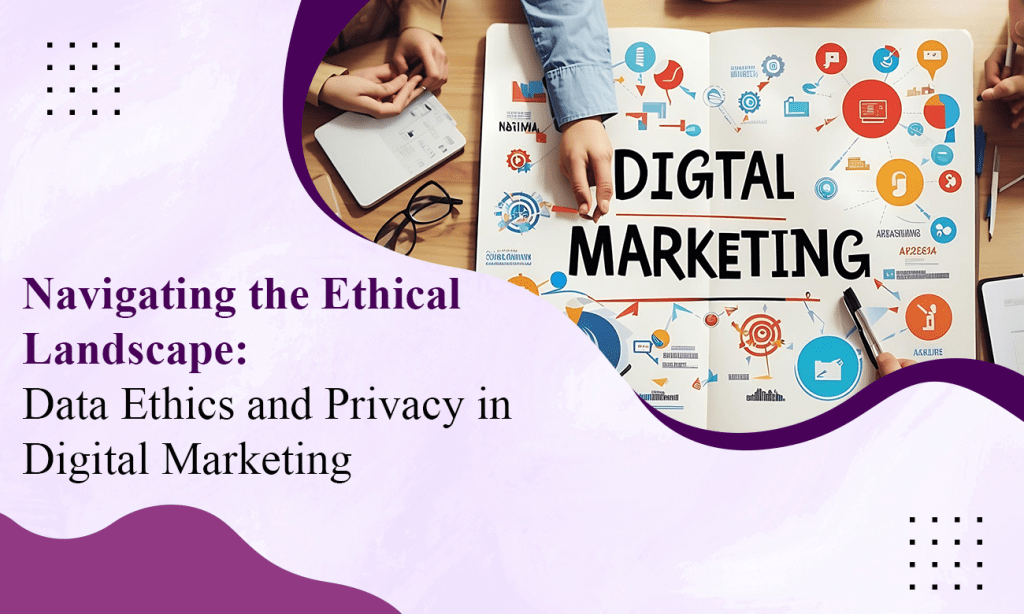
In the ever-evolving world of digital marketing, the role of ethics has become increasingly crucial. As businesses strive to gain visibility, drive traffic, and convert leads, the temptation to employ questionable tactics can be strong. However, the long-term success and sustainability of any digital marketing strategy lies in embracing ethical practices that not only benefit the brand but also serve the needs of the consumer. [1]
This article delves into the importance of ethical digital marketing, with a particular focus on the role of ethics in search engine optimization (SEO) and its impact on the overall digital landscape. We’ll explore the principles of ethical SEO, the consequences of unethical practices, and the strategies that can help businesses navigate the complex world of digital marketing while upholding the highest standards of integrity.
The Ethical Foundations of Digital Marketing
At the heart of ethical digital marketing lies a fundamental principle: to provide value and serve the needs of the consumer. This means crafting content, campaigns, and strategies that genuinely resonate with the target audience, rather than resorting to manipulative tactics that prioritize short-term gains over long-term sustainability. [2]
Ethical digital marketing is built on a foundation of transparency, honesty, and a deep understanding of the target audience. It involves creating content that is informative, engaging, and relevant, while adhering to the guidelines and best practices set forth by search engines and other digital platforms. [3]
Transparency and Accountability
Transparency is a cornerstone of ethical digital marketing. Businesses should be upfront about their practices, disclosing any paid partnerships, sponsored content, or other forms of commercial influence. This level of transparency not only builds trust with the audience but also aligns with the expectations of search engines and regulatory bodies.
Accountability is another crucial aspect of ethical digital marketing. Businesses should be prepared to take responsibility for their actions and the impact they have on their audience. This includes addressing any concerns or complaints promptly and with empathy, as well as being willing to adjust strategies or correct any missteps that may have occurred.
Respect for User Privacy and Data
In the age of data-driven marketing, the ethical treatment of user data has become a pressing concern. Businesses must respect the privacy of their audience and adhere to data protection regulations, such as the General Data Protection Regulation (GDPR) and the California Consumer Privacy Act (CCPA). This includes obtaining explicit consent for data collection, being transparent about how the data is used, and ensuring the secure storage and handling of sensitive information.
Commitment to Inclusivity and Diversity
Ethical digital marketing also encompasses a commitment to inclusivity and diversity. Businesses should strive to create content and campaigns that are representative of the diverse backgrounds, identities, and experiences of their audience. This not only fosters a more inclusive digital landscape but also demonstrates a genuine understanding and appreciation of the target market.
The Ethics of Search Engine Optimization (SEO)
Search engine optimization (SEO) is a critical component of digital marketing, as it helps businesses improve their visibility and reach in search engine results. However, the pursuit of higher rankings can sometimes lead to the temptation to employ unethical tactics, which can have severe consequences for both the brand and the consumer.
The Principles of Ethical SEO
Ethical SEO is the practice of optimizing a website and its online presence in ways that adhere to search engine guidelines and prioritize the user experience. This involves creating high-quality, informative content that genuinely addresses the needs and queries of the target audience, rather than attempting to manipulate search algorithms through deceptive practices.
Some key principles of ethical SEO include:
- Compliance with Search Engine Guidelines: Businesses should familiarize themselves with the guidelines and best practices set forth by major search engines, such as Google, and ensure that their SEO strategies align with these standards. This includes avoiding tactics like keyword stuffing, cloaking, and link schemes, which are considered unethical and can result in penalties or even the removal of a website from search results.
- Focus on User Experience: Ethical SEO prioritizes the needs and preferences of the user, rather than solely focusing on search engine optimization. This means creating content that is informative, engaging, and easy to navigate, with a strong emphasis on accessibility and mobile-friendliness.
- Transparency and Honesty: Ethical SEO practices should be transparent and honest, both in terms of the strategies employed and the representation of the business’s products, services, and capabilities. Businesses should avoid making false claims or misrepresenting their offerings to improve search rankings.
- Long-Term Sustainability: Ethical SEO strategies are designed for long-term success, rather than short-term gains. This involves building a strong, authoritative online presence through the creation of high-quality content, the cultivation of genuine backlinks, and the continuous optimization of the website’s technical infrastructure.
- Respect for Intellectual Property: Ethical SEO practices should respect the intellectual property of others, including the use of copyrighted material, images, and user-generated content. Businesses should obtain the necessary permissions and licenses before incorporating such elements into their digital marketing efforts.
The Consequences of Unethical SEO Practices
Unethical SEO practices, also known as “black hat” tactics, are those that disregard or violate search engine guidelines in an attempt to manipulate rankings and improve visibility. These tactics may provide short-term gains, but they can have severe long-term consequences for the business, including penalties, loss of trust, and even the removal of the website from search engine results.
Some common examples of unethical SEO practices include:
- Keyword Stuffing: The excessive and unnatural use of keywords within content, often to the detriment of readability and user experience.
- Cloaking: Showing one version of a webpage to search engines and a different version to users, with the intent of deceiving the search algorithm.
- Link Schemes: The use of artificial or manipulated backlinks, such as those obtained through link farms or paid link networks, to artificially inflate a website’s authority and ranking.
- Duplicate Content: The creation and publication of content that is substantially similar or identical to content found elsewhere on the web, which can be seen as an attempt to game the system.
- Sneaky Redirects: The use of server-side redirects to send users to a different page than the one they originally requested, often for the purpose of displaying ads or other monetized content.
The consequences of these unethical SEO practices can be severe, ranging from temporary ranking penalties to the complete removal of a website from search engine results. Additionally, the loss of trust and credibility with both search engines and the target audience can have a lasting impact on the business’s reputation and long-term success.
Strategies for Ethical Digital Marketing and SEO
Embracing ethical digital marketing and SEO practices is not only the right thing to do but also a strategic imperative for businesses seeking long-term success and sustainability. By aligning their strategies with the principles of transparency, user-centricity, and compliance, businesses can build a strong, authoritative online presence that resonates with their target audience and earns the trust of search engines.
Content-Driven Approach
At the heart of ethical digital marketing and SEO lies a content-driven approach. Businesses should focus on creating high-quality, informative, and engaging content that genuinely addresses the needs and queries of their target audience. This involves conducting thorough keyword research, understanding user intent, and crafting content that provides value and enhances the user experience.
By prioritizing content quality over keyword optimization, businesses can build a strong, authoritative online presence that is rewarded by search engines. This approach not only improves search rankings but also fosters a deeper connection with the audience, leading to increased engagement, trust, and ultimately, conversions.
Technical SEO Optimization
While content is the foundation of ethical digital marketing, technical SEO optimization is also crucial. Businesses should ensure that their website is optimized for search engines, with a focus on factors such as site speed, mobile-friendliness, and structured data.
By addressing technical SEO issues and aligning their website with search engine guidelines, businesses can improve their visibility and rankings, while also providing a seamless user experience. This, in turn, can lead to increased traffic, higher engagement, and better conversion rates.
Authentic Link Building
Link building is an essential component of SEO, but it must be approached ethically. Businesses should focus on cultivating genuine, high-quality backlinks through strategies such as content marketing, digital public relations, and outreach to industry influencers and thought leaders.
Avoid tactics like link schemes, paid link networks, and other manipulative practices, as these can result in penalties and damage the credibility of the website. Instead, focus on building a strong, authoritative online presence through the creation of valuable, shareable content that naturally attracts backlinks from reputable sources.
Continuous Optimization and Monitoring
Ethical digital marketing and SEO is an ongoing process that requires continuous optimization and monitoring. Businesses should regularly review their strategies, analyze their performance, and make adjustments as needed to ensure that they are staying ahead of the curve and meeting the evolving needs of their target audience.
This may involve conducting regular audits, tracking key performance indicators (KPIs), and staying up-to-date with the latest search engine algorithms and best practices. By embracing a culture of continuous improvement and adaptation, businesses can maintain their competitive edge and ensure the long-term success of their digital marketing efforts.
The Future of Ethical Digital Marketing
As the digital landscape continues to evolve, the importance of ethical digital marketing and SEO practices will only continue to grow. Consumers are becoming increasingly savvy and are demanding more transparency, authenticity, and value from the brands they engage with.
Search engines, too, are placing a greater emphasis on the user experience, rewarding businesses that prioritize quality, relevance, and compliance with their guidelines. By embracing ethical practices, businesses can not only improve their search rankings and visibility but also build a strong, sustainable online presence that resonates with their target audience.
Moreover, the growing focus on data privacy and the implementation of regulations like the GDPR and CCPA have made the ethical treatment of user data a critical concern for businesses. Adhering to these regulations and respecting the privacy of their audience will be essential for businesses looking to maintain the trust and loyalty of their customers.
In the years to come, the digital marketing landscape will likely become even more competitive, with businesses vying for the attention of increasingly discerning consumers. Those who embrace ethical practices and put the needs of their audience first will be the ones who emerge as the leaders in their respective industries, while those who continue to rely on unethical tactics will face the consequences of diminished trust, reduced visibility, and ultimately, a decline in their overall success.
Conclusion
The role of ethics in digital marketing is paramount. By embracing transparency, user-centricity, and compliance with industry standards, businesses can not only improve their search engine rankings and visibility but also build a strong, sustainable online presence that resonates with their target audience.
Ethical SEO practices, such as creating high-quality content, optimizing for user experience, and cultivating genuine backlinks, are essential for long-term success. Conversely, the consequences of unethical tactics, such as keyword stuffing, cloaking, and link schemes, can be severe, leading to penalties, loss of trust, and even the removal of a website from search engine results.
As the digital landscape continues to evolve, the importance of ethical digital marketing and SEO will only continue to grow. Businesses that prioritize the needs of their audience, respect data privacy, and demonstrate a genuine commitment to transparency and integrity will be the ones who thrive in the years to come.
By embracing the principles of ethical digital marketing, businesses can not only improve their bottom line but also contribute to the creation of a more trustworthy, user-centric digital ecosystem that benefits both consumers and the industry as a whole.
Learn more:
- What Is Ethical SEO & Why Does It Matter? – Matomo Analytics
- SEO Keyword Ethics: Balancing Optimization and User Intent | EWR Digital | Data-Driven Search Marketing Digital Agency
- Ethical SEO Strategies: Driving Organic Traffic the Right Way
Share:👇
Subscribe to get more of such amazing content 👇
Related post
- How to Start a Print on Demand Business: A Comprehensive Guide
 Share:👇 Starting a print on demand (POD) business can be an exciting and profitable venture, especially in today’s era of e-commerce. Whether you’re an artist looking to monetize your designs or an entrepreneur exploring new business avenues, the POD model offers a low-risk, scalable method of selling custom products without the need for inventory or… Read more: How to Start a Print on Demand Business: A Comprehensive Guide
 - Mistakes Most Young Entrepreneurs Make When Starting an Online Business
 Share:👇 Starting an online business can be an exciting and rewarding venture for young entrepreneurs, but it also comes with its fair share of challenges. Many young entrepreneurs make common mistakes that can hinder their success and lead to the downfall of their businesses. In this comprehensive guide, we will explore the most prevalent mistakes… Read more: Mistakes Most Young Entrepreneurs Make When Starting an Online Business
 - Starting a Dropshipping Website on Spocket: What You Need to Know
 Share:👇 Introduction In the ever-evolving world of e-commerce, dropshipping has emerged as a game-changing business model that has revolutionized the way entrepreneurs approach online retail. Spocket, a leading dropshipping platform, has become a popular choice for those looking to venture into this lucrative space. [1] This comprehensive guide will delve into the intricacies of starting… Read more: Starting a Dropshipping Website on Spocket: What You Need to Know
 - The 10 Best Dropshipping Websites for Ecommerce Success in 2024
 Share:👇 Introduction In the ever-evolving world of ecommerce, dropshipping has emerged as a game-changing business model that allows entrepreneurs to start and scale online stores without the hassle of managing inventory. By partnering with reliable suppliers, dropshipping enables you to offer a wide range of products to your customers while minimizing upfront costs and overhead.… Read more: The 10 Best Dropshipping Websites for Ecommerce Success in 2024
 - The Ultimate Guide to the Best Affiliate Marketing Websites
 Share:👇 Introduction Affiliate marketing has become one of the most popular ways to earn passive income online. With the right strategies and tools, you can turn your website into a revenue-generating machine. In this guide, we’ll explore the best affiliate marketing websites, provide in-depth reviews, and share tips on how to maximize your earnings. What… Read more: The Ultimate Guide to the Best Affiliate Marketing Websites
 - Mastering Long-Form Content for SEO in 2024 and Beyond
 Share:👇 In the ever-evolving world of search engine optimization (SEO), the importance of long-form content has become increasingly apparent. As Google and other search engines continue to prioritize high-quality, in-depth information, crafting compelling long-form content has become a crucial strategy for businesses and content creators looking to rank higher in search results and engage their… Read more: Mastering Long-Form Content for SEO in 2024 and Beyond
 - The Rise of AI in SEO: Navigating the Changing Landscape of Search Engine Optimization in 2024 and Beyond
 Share:👇 Introduction: The Evolving Role of AI in SEO As we look ahead to 2024 and beyond, the world of search engine optimization (SEO) is undergoing a profound transformation, driven largely by the rapid advancements in artificial intelligence (AI) technology. The impact of AI on SEO is undeniable, presenting both opportunities and challenges for marketers,… Read more: The Rise of AI in SEO: Navigating the Changing Landscape of Search Engine Optimization in 2024 and Beyond
 - The Transformative Role of Blockchain in Digital Marketing
 Share:👇 Introduction In the ever-evolving landscape of digital marketing, the emergence of blockchain technology has sparked a revolution, redefining the way businesses engage with their customers and approach their marketing strategies. As the digital world continues to grapple with issues of transparency, data security, and trust, blockchain has emerged as a game-changing solution, offering a… Read more: The Transformative Role of Blockchain in Digital Marketing
 - Unlocking the Power of Facebook Ads: A Comprehensive Guide to Maximizing ROI
 Share:👇 In the ever-evolving digital landscape, Facebook ads have emerged as a powerful tool for businesses of all sizes to reach and engage their target audience. With over 2.9 billion monthly active users, Facebook provides unparalleled access to a vast and diverse customer base, making it an essential component of any comprehensive marketing strategy. However,… Read more: Unlocking the Power of Facebook Ads: A Comprehensive Guide to Maximizing ROI
 - The Future of Affiliate Marketing: Navigating the Evolving Landscape
 Share:👇 Introduction: The Affiliate Marketing Landscape in Flux In the ever-changing world of digital marketing, affiliate marketing has emerged as a powerful and lucrative strategy for businesses and individuals alike. As the industry continues to evolve, it’s crucial for both seasoned and aspiring affiliate marketers to stay ahead of the curve and understand the trends… Read more: The Future of Affiliate Marketing: Navigating the Evolving Landscape
 - How to Use Pinterest for Business: A Comprehensive Guide
 Share:👇 Introduction In the ever-evolving landscape of digital marketing, businesses are constantly seeking new and innovative ways to reach their target audience. One platform that has emerged as a powerful tool for businesses is Pinterest. With its visually-driven nature and growing user base, Pinterest offers a unique opportunity for businesses to showcase their products, services,… Read more: How to Use Pinterest for Business: A Comprehensive Guide
 - The Vital Role of Customer Experience in Digital Marketing
 Share:👇 In the ever-evolving landscape of digital marketing, the importance of customer experience (CX) cannot be overstated. As businesses strive to stand out in an increasingly crowded online space, delivering a seamless, engaging, and personalized customer journey has become a critical differentiator. The digital age has empowered consumers with an abundance of choices and information… Read more: The Vital Role of Customer Experience in Digital Marketing



 Hubgenus