
Share:👇
Introduction
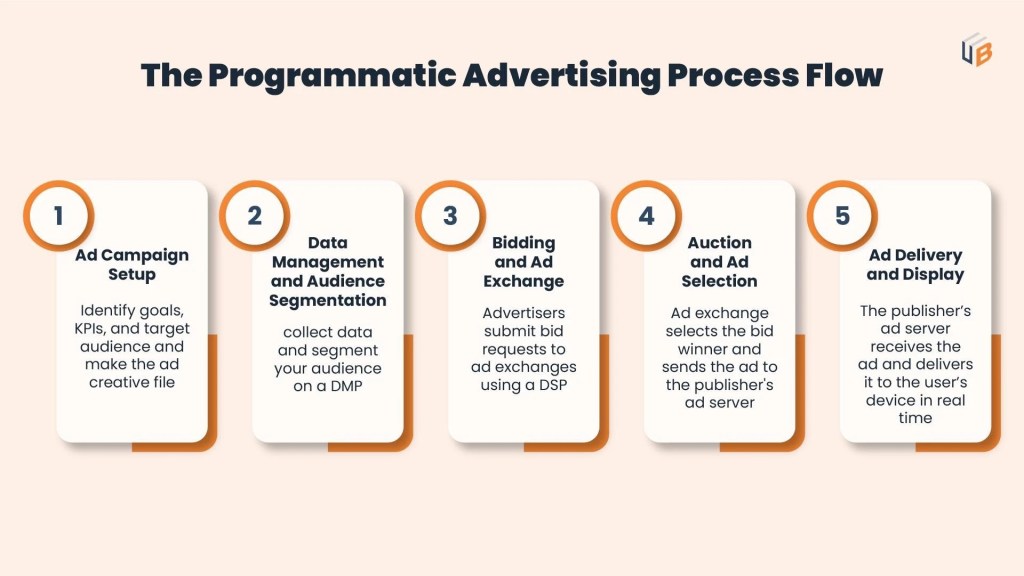
In the ever-evolving landscape of digital marketing, programmatic advertising has emerged as a game-changer, revolutionizing the way businesses approach their advertising strategies. Programmatic advertising is the automated process of buying and selling digital ad space, utilizing advanced algorithms and real-time data to optimize ad placement and targeting. [1]
As the digital advertising market continues to grow, with Statista predicting that 81% of revenue will be generated through programmatic advertising by 2028, it’s crucial for businesses to understand the benefits of this powerful marketing tool. [1] In this comprehensive guide, we’ll explore the key advantages of programmatic advertising and how it can help businesses achieve their marketing goals.
Scalable and Flexible Spending
One of the primary benefits of programmatic advertising is its scalability and flexibility when it comes to ad spending. Programmatic platforms, such as Google Ads, allow businesses to set average daily budgets for their campaigns and let the algorithm determine the optimal times to allocate those resources. [1]
This flexibility is particularly advantageous for businesses that experience fluctuations in consumer demand, such as a restaurant preparing for a weekend surge in customers. Programmatic advertising can strategically direct resources toward the campaign during peak times when potential customers are more likely to dine out, ensuring that the budget is used effectively and maximizing the impact of the advertising efforts. [1]
Moreover, the scalability of programmatic advertising enables businesses of all sizes to participate, as they can easily increase or reduce their ad budgets as needed, adapting to changing market conditions and consumer behavior. [1] This level of control and optimization allows businesses to make the most of their advertising investments, ensuring that their marketing dollars are being spent in the most effective and efficient manner.
Expansive Reach
Another significant benefit of programmatic advertising is its ability to provide businesses with an expansive reach to potential customers. The programmatic advertising landscape encompasses millions of websites and a vast array of ad spaces, offering marketers the opportunity to connect with a diverse and far-reaching audience. [1]
Compared to traditional advertising methods, the scale of programmatic advertising sets it apart, making it an indispensable tool for modern marketers. By leveraging the vast network of publishers and ad spaces available through programmatic platforms, businesses can effectively target and reach their desired audience, regardless of their size or industry. [1]
This expansive reach allows businesses to cast a wider net, increasing the likelihood of connecting with potential customers who may have otherwise been out of reach. By tapping into the vast programmatic advertising ecosystem, businesses can significantly enhance their visibility and exposure, ultimately driving more traffic, leads, and conversions.
Unparalleled Transparency
Programmatic advertising offers an unprecedented level of transparency, providing marketers with complete visibility over their advertising campaigns. This transparency is a game-changer, as it allows businesses to meticulously track and analyze every aspect of their advertising efforts. [1]
With programmatic advertising, marketers can see exactly where their ads are being displayed, gaining valuable insights into the environments where their brand messages are being showcased. This level of visibility enables them to make informed decisions about the placement and targeting of their ads, ensuring that their marketing efforts are aligned with their target audience. [1]
Beyond the visibility of ad placements, programmatic advertising also offers detailed insights into the demographics and behaviors of the audiences interacting with the ads. This understanding empowers marketers to fine-tune their strategies, tailoring their messaging and targeting to resonate more effectively with their desired customer base. [1]
The transparency provided by programmatic advertising also allows marketers to track the performance of their campaigns, evaluating the return on investment (ROI) and making data-driven decisions to optimize their advertising efforts. This level of transparency is a game-changer, as it enables businesses to make informed decisions, continuously improve their marketing strategies, and ultimately drive better results. [1]
Increased Efficiency
The transparency and data-driven nature of programmatic advertising contribute significantly to its efficiency as a marketing tool. By providing real-time access to performance metrics and audience insights, programmatic advertising allows marketers to make timely adjustments to their campaigns, optimizing the placement and style of digital ads to drive more effective results. [1]
Studies have shown that when brands consolidate their campaigns using Programmatic Guaranteed, they can experience an 11% increase in reach efficiency, meaning they can reach 11% more unique consumers for the same impression investment. [1] This efficiency translates to a more effective use of marketing resources, as businesses can maximize the impact of their advertising spend and achieve better outcomes.
Moreover, the automated nature of programmatic advertising streamlines the process of obtaining and managing ad placements. The entire transaction can be completed within seconds, allowing businesses to secure qualified ad space almost instantly and respond to market changes in real-time. [1] This efficiency not only saves time but also enables businesses to capitalize on emerging opportunities and stay ahead of the competition.
Unparalleled Targeting Capabilities
One of the most significant advantages of programmatic advertising is its unparalleled targeting capabilities. Programmatic platforms offer a wide range of targeting options, allowing businesses to precisely reach their desired audience based on various factors, such as:
- Contextual Targeting: Ensuring that ads are displayed on relevant websites and content that align with the advertiser’s products or services. [1]
- Behavioral Targeting: Leveraging data on user interests, browsing habits, and purchase history to serve ads that are tailored to their specific needs and preferences. [1]
- Geographical Targeting: Reaching consumers based on their location, whether it’s a specific region, city, or even a smaller geographic area. [1]
- Device Targeting: Delivering ads to users across different devices, enabling a seamless omnichannel experience and the ability to nurture prospects on multiple platforms. [1]
This level of granular targeting allows businesses to cut through the noise and connect with their most valuable and engaged customers, maximizing the impact of their advertising efforts. By precisely targeting the right audience, businesses can ensure that their marketing messages resonate with the people who are most likely to convert, leading to higher engagement, increased conversions, and a better return on investment.
Real-Time Data and Optimization
Programmatic advertising’s greatest strength lies in its ability to leverage real-time data and optimization capabilities. By continuously collecting and analyzing vast amounts of data, programmatic platforms can make real-time adjustments to ad campaigns, ensuring that businesses are reaching their target audience with the most effective messaging and placements. [1]
This real-time data-driven approach enables marketers to fine-tune their campaigns on the fly, responding to emerging trends, market dynamics, and changes in consumer behavior. Marketers can quickly make adjustments to the placement, creative, and targeting of their ads, optimizing for maximum impact and driving better results. [1]
The real-time nature of programmatic advertising also allows businesses to stay ahead of the competition by quickly adapting to market changes. As consumer preferences and behaviors evolve, programmatic platforms can quickly identify and capitalize on new opportunities, ensuring that businesses remain relevant and competitive in the ever-changing digital landscape. [1]
By leveraging the power of real-time data and optimization, programmatic advertising empowers businesses to make informed, data-driven decisions, ultimately maximizing the effectiveness of their marketing efforts and driving better outcomes for their bottom line.
Improved Audience Engagement and Conversion Rates
The combination of advanced targeting capabilities, real-time optimization, and data-driven insights provided by programmatic advertising can lead to significant improvements in audience engagement and conversion rates. [1]
When businesses are able to precisely target their desired audience, deliver highly relevant and personalized ad content, and continuously optimize their campaigns based on performance data, they are more likely to capture the attention of their potential customers and drive them to take the desired action, whether it’s making a purchase, signing up for a newsletter, or engaging with the brand in some other way.
Studies have shown that programmatic advertising can lead to a significant increase in conversion rates compared to traditional advertising methods. For example, a report by Nielsen found that when brands consolidated their campaigns using Programmatic Guaranteed, they experienced an 11% increase in reach efficiency, meaning they were able to reach 11% more unique consumers for the same impression investment. [1]
This improved audience engagement and conversion rate can have a direct and positive impact on a business’s bottom line, as it translates to more leads, sales, and revenue. By leveraging the power of programmatic advertising, businesses can optimize their marketing efforts, maximize the return on their advertising investments, and ultimately drive sustainable growth and success.
Improved Brand Awareness and Reputation
In addition to the tangible benefits of increased conversions and revenue, programmatic advertising can also contribute to the enhancement of a business’s brand awareness and reputation. [2]
When businesses are able to consistently deliver relevant, personalized, and engaging ad content to their target audience, it can help to strengthen their brand’s presence and perception in the minds of consumers. By being present in the right places, at the right times, and with the right messaging, businesses can build trust, credibility, and top-of-mind awareness with their potential customers.
Moreover, the transparency and data-driven nature of programmatic advertising can also help businesses to better understand their audience and tailor their brand messaging accordingly. By gaining insights into the demographics, interests, and behaviors of their target consumers, businesses can craft more effective and impactful brand communications that resonate with their audience. [2]
As businesses continue to navigate the increasingly competitive digital landscape, the ability to enhance their brand awareness and reputation can be a significant competitive advantage. By leveraging the power of programmatic advertising, businesses can effectively communicate their brand’s value proposition, build stronger relationships with their customers, and ultimately position themselves as industry leaders and trusted partners.
Improved Return on Investment (ROI)
One of the most compelling benefits of programmatic advertising is its ability to deliver a superior return on investment (ROI) for businesses. The combination of advanced targeting, real-time optimization, and data-driven insights provided by programmatic platforms can lead to a more efficient and effective use of marketing resources, ultimately driving better financial outcomes. [1]
By precisely targeting the right audience, delivering personalized and relevant ad content, and continuously optimizing campaigns based on performance data, businesses can maximize the impact of their advertising spend and achieve a higher return on their investment. [1] This can translate to increased sales, improved customer acquisition, and a stronger bottom line.
Moreover, the transparency and accountability offered by programmatic advertising platforms allow businesses to closely monitor the performance of their campaigns and make data-driven decisions to optimize their marketing strategies. This level of visibility and control can help businesses to identify and eliminate ineffective advertising tactics, redirecting their resources towards the most profitable and impactful channels. [1]
As businesses continue to face increasing pressure to demonstrate the tangible value of their marketing efforts, the ability to deliver a superior ROI through programmatic advertising can be a significant competitive advantage. By leveraging the power of this technology, businesses can not only drive better financial results but also justify their marketing investments and demonstrate the true impact of their advertising efforts.
Improved Customer Experience
While the benefits of programmatic advertising are often discussed in terms of improved marketing efficiency, increased reach, and better ROI, it’s important to recognize the positive impact it can have on the customer experience as well. [3]
By leveraging the advanced targeting and personalization capabilities of programmatic platforms, businesses can deliver more relevant and engaging ad content to their customers. This can lead to a more seamless and enjoyable experience for the consumer, as they are presented with advertisements that are tailored to their specific interests, needs, and behaviors. [3]
Moreover, the real-time optimization and data-driven approach of programmatic advertising can help businesses to identify and address any pain points or frustrations that their customers may be experiencing. By continuously monitoring customer interactions and adjusting their advertising strategies accordingly, businesses can ensure that their marketing efforts are aligned with the evolving needs and preferences of their target audience. [3]
Ultimately, the improved customer experience facilitated by programmatic advertising can have a positive impact on brand loyalty, customer retention, and overall customer satisfaction. By demonstrating a deep understanding of their customers’ needs and delivering personalized, relevant, and valuable advertising content, businesses can build stronger, more meaningful relationships with their target audience, leading to long-term success and growth.
Improved Collaboration and Transparency Between Advertisers and Publishers
Programmatic advertising has also had a significant impact on the relationship between advertisers and publishers, fostering greater collaboration and transparency within the digital advertising ecosystem.
Through the use of programmatic platforms, advertisers and publishers can now engage in a more seamless and efficient exchange of ad inventory and targeting data. Advertisers can access a vast network of publisher inventory, while publishers can effectively monetize their digital assets by making their ad spaces available to a wider range of advertisers.
This increased collaboration and transparency have led to several benefits for both parties:
- Improved Targeting and Relevance: Advertisers can leverage the publisher’s first-party data and audience insights to deliver more targeted and relevant ad content to their desired audience.
- Increased Revenue Opportunities: Publishers can maximize the value of their ad inventory by making it available to a broader range of advertisers, leading to increased revenue streams.
- Enhanced Efficiency: The automated nature of programmatic advertising streamlines the ad buying and selling process, reducing the time and resources required for both advertisers and publishers.
- Greater Accountability: The transparency provided by programmatic platforms allows advertisers and publishers to track the performance of their campaigns and make data-driven decisions to optimize their strategies.
By fostering this collaborative and transparent relationship, programmatic advertising has helped to create a more cohesive and effective digital advertising ecosystem, where the interests of both advertisers and publishers are better aligned and served. This, in turn, can lead to improved campaign performance, increased revenue, and a more positive experience for the end-user.
Improved Sustainability and Environmental Impact
In recent years, there has been a growing focus on the environmental impact of various industries, including the digital advertising sector. Programmatic advertising has emerged as a potential solution to address some of the sustainability concerns associated with traditional advertising methods.
One of the key benefits of programmatic advertising in terms of sustainability is its ability to reduce waste and optimize resource utilization. By leveraging data-driven targeting and real-time optimization, programmatic platforms can ensure that ad impressions are delivered to the most relevant and engaged audiences, minimizing the amount of wasted ad spend and reducing the overall environmental impact of digital advertising.
Additionally, programmatic advertising can contribute to improved energy efficiency by enabling the use of more energy-efficient ad delivery and measurement technologies. Many programmatic platforms are designed with energy-saving features, such as the ability to dynamically adjust ad serving based on device and network conditions, reducing the overall energy consumption associated with digital advertising.
Furthermore, the transparency and data-driven nature of programmatic advertising can also help businesses to better understand and monitor their environmental impact. By tracking and analyzing the performance of their campaigns, businesses can identify areas for improvement and implement more sustainable practices, such as reducing the use of high-energy-consuming ad formats or optimizing their ad delivery to minimize carbon emissions.
As consumers and regulatory bodies continue to place a greater emphasis on environmental sustainability, the ability of programmatic advertising to contribute to more eco-friendly digital marketing practices can be a significant competitive advantage for businesses. By embracing programmatic advertising and its sustainability benefits, businesses can demonstrate their commitment to environmental responsibility and position themselves as industry leaders in sustainable marketing.
Conclusion
In conclusion, the benefits of programmatic advertising are numerous and far-reaching, making it an essential tool for businesses of all sizes in the digital marketing landscape. From its scalable and flexible spending capabilities to its unparalleled targeting and real-time optimization features, programmatic advertising offers a comprehensive solution that can drive significant improvements in audience engagement, conversion rates, and return on investment.
Moreover, the transparency and collaborative nature of programmatic advertising have the potential to enhance the relationship between advertisers and publishers, while also contributing to more sustainable and environmentally-friendly digital marketing practices. As the digital advertising market continues to evolve, the adoption of programmatic advertising will only become more crucial for businesses seeking to stay ahead of the competition and deliver exceptional value to their customers.
By understanding and leveraging the benefits of programmatic advertising, businesses can unlock a world of opportunities, optimize their marketing strategies, and achieve long-term success in the ever-changing digital landscape.
Learn more:
- 6 Benefits of Programmatic Advertising | How Does It Work?
- The Game-Changing Benefits of Programmatic SEO You Need to Know
- Why Programmatic SEO Is The Future Of Search Engine Optimization – Wild Creek Web Studio
Share:👇
Subscribe to get more of such amazing content 👇
Related post
- How to Start a Print on Demand Business: A Comprehensive Guide
 Share:👇 Starting a print on demand (POD) business can be an exciting and profitable venture, especially in today’s era of e-commerce. Whether you’re an artist looking to monetize your designs or an entrepreneur exploring new business avenues, the POD model offers a low-risk, scalable method of selling custom products without the need for inventory or… Read more: How to Start a Print on Demand Business: A Comprehensive Guide
 - Mistakes Most Young Entrepreneurs Make When Starting an Online Business
 Share:👇 Starting an online business can be an exciting and rewarding venture for young entrepreneurs, but it also comes with its fair share of challenges. Many young entrepreneurs make common mistakes that can hinder their success and lead to the downfall of their businesses. In this comprehensive guide, we will explore the most prevalent mistakes… Read more: Mistakes Most Young Entrepreneurs Make When Starting an Online Business
 - Starting a Dropshipping Website on Spocket: What You Need to Know
 Share:👇 Introduction In the ever-evolving world of e-commerce, dropshipping has emerged as a game-changing business model that has revolutionized the way entrepreneurs approach online retail. Spocket, a leading dropshipping platform, has become a popular choice for those looking to venture into this lucrative space. [1] This comprehensive guide will delve into the intricacies of starting… Read more: Starting a Dropshipping Website on Spocket: What You Need to Know
 - The 10 Best Dropshipping Websites for Ecommerce Success in 2024
 Share:👇 Introduction In the ever-evolving world of ecommerce, dropshipping has emerged as a game-changing business model that allows entrepreneurs to start and scale online stores without the hassle of managing inventory. By partnering with reliable suppliers, dropshipping enables you to offer a wide range of products to your customers while minimizing upfront costs and overhead.… Read more: The 10 Best Dropshipping Websites for Ecommerce Success in 2024
 - The Ultimate Guide to the Best Affiliate Marketing Websites
 Share:👇 Introduction Affiliate marketing has become one of the most popular ways to earn passive income online. With the right strategies and tools, you can turn your website into a revenue-generating machine. In this guide, we’ll explore the best affiliate marketing websites, provide in-depth reviews, and share tips on how to maximize your earnings. What… Read more: The Ultimate Guide to the Best Affiliate Marketing Websites
 - Mastering Long-Form Content for SEO in 2024 and Beyond
 Share:👇 In the ever-evolving world of search engine optimization (SEO), the importance of long-form content has become increasingly apparent. As Google and other search engines continue to prioritize high-quality, in-depth information, crafting compelling long-form content has become a crucial strategy for businesses and content creators looking to rank higher in search results and engage their… Read more: Mastering Long-Form Content for SEO in 2024 and Beyond
 - The Rise of AI in SEO: Navigating the Changing Landscape of Search Engine Optimization in 2024 and Beyond
 Share:👇 Introduction: The Evolving Role of AI in SEO As we look ahead to 2024 and beyond, the world of search engine optimization (SEO) is undergoing a profound transformation, driven largely by the rapid advancements in artificial intelligence (AI) technology. The impact of AI on SEO is undeniable, presenting both opportunities and challenges for marketers,… Read more: The Rise of AI in SEO: Navigating the Changing Landscape of Search Engine Optimization in 2024 and Beyond
 - The Transformative Role of Blockchain in Digital Marketing
 Share:👇 Introduction In the ever-evolving landscape of digital marketing, the emergence of blockchain technology has sparked a revolution, redefining the way businesses engage with their customers and approach their marketing strategies. As the digital world continues to grapple with issues of transparency, data security, and trust, blockchain has emerged as a game-changing solution, offering a… Read more: The Transformative Role of Blockchain in Digital Marketing
 - Unlocking the Power of Facebook Ads: A Comprehensive Guide to Maximizing ROI
 Share:👇 In the ever-evolving digital landscape, Facebook ads have emerged as a powerful tool for businesses of all sizes to reach and engage their target audience. With over 2.9 billion monthly active users, Facebook provides unparalleled access to a vast and diverse customer base, making it an essential component of any comprehensive marketing strategy. However,… Read more: Unlocking the Power of Facebook Ads: A Comprehensive Guide to Maximizing ROI
 - The Future of Affiliate Marketing: Navigating the Evolving Landscape
 Share:👇 Introduction: The Affiliate Marketing Landscape in Flux In the ever-changing world of digital marketing, affiliate marketing has emerged as a powerful and lucrative strategy for businesses and individuals alike. As the industry continues to evolve, it’s crucial for both seasoned and aspiring affiliate marketers to stay ahead of the curve and understand the trends… Read more: The Future of Affiliate Marketing: Navigating the Evolving Landscape
 - How to Use Pinterest for Business: A Comprehensive Guide
 Share:👇 Introduction In the ever-evolving landscape of digital marketing, businesses are constantly seeking new and innovative ways to reach their target audience. One platform that has emerged as a powerful tool for businesses is Pinterest. With its visually-driven nature and growing user base, Pinterest offers a unique opportunity for businesses to showcase their products, services,… Read more: How to Use Pinterest for Business: A Comprehensive Guide
 - The Vital Role of Customer Experience in Digital Marketing
 Share:👇 In the ever-evolving landscape of digital marketing, the importance of customer experience (CX) cannot be overstated. As businesses strive to stand out in an increasingly crowded online space, delivering a seamless, engaging, and personalized customer journey has become a critical differentiator. The digital age has empowered consumers with an abundance of choices and information… Read more: The Vital Role of Customer Experience in Digital Marketing



 Hubgenus