
Share:👇
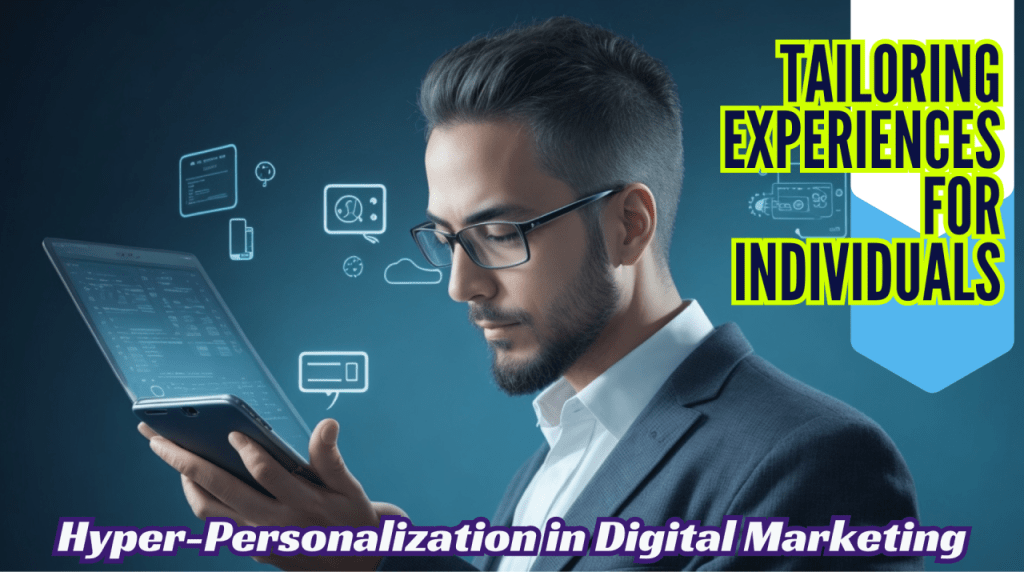
In today’s digital landscape, where competition is fierce and customer expectations are higher than ever, businesses must find innovative ways to stand out and forge lasting connections with their target audience. One such strategy that has emerged as a game-changer is hyper-personalization, a data-driven approach that allows organizations to deliver highly tailored and relevant experiences to each individual customer.
Hyper-personalization is the art of leveraging big data and advanced analytics to create personalized content, products, and services that cater to the unique needs, preferences, and behaviors of each customer. By harnessing the power of big data, businesses can gain a deep understanding of their customers, enabling them to anticipate their needs, address their pain points, and deliver exceptional experiences that keep them engaged and loyal.
In this comprehensive article, we will explore the intersection of hyper-personalization and big data, delving into the strategies, tools, and best practices that can help businesses unlock the full potential of this transformative approach.
The Rise of Hyper-Personalization: Responding to Evolving Customer Expectations
The digital age has fundamentally transformed the way customers interact with brands. Today’s consumers are more informed, empowered, and discerning than ever before. They expect personalized experiences that cater to their individual needs and preferences, and they are quick to abandon brands that fail to deliver.
Hyper-personalization has emerged as a powerful response to this shift in customer expectations. By leveraging big data and advanced analytics, businesses can gain a granular understanding of their customers, enabling them to create highly tailored experiences that resonate on a deeper level.
The benefits of hyper-personalization are numerous and far-reaching. By delivering personalized content, products, and services, businesses can:
- Enhance Customer Engagement: Hyper-personalized experiences capture the attention of customers and keep them engaged, leading to increased brand loyalty and higher customer lifetime value.
- Improve Conversion Rates: Tailored offerings that address the specific needs and pain points of customers are more likely to result in successful conversions, whether it’s a sale, a sign-up, or a desired action.
- Increase Customer Satisfaction: Customers feel valued and understood when they receive personalized experiences, leading to higher satisfaction levels and reduced churn.
- Gain a Competitive Advantage: Businesses that excel at hyper-personalization can differentiate themselves from their competitors, positioning themselves as the preferred choice for customers.
- Drive Revenue Growth: Personalized recommendations, targeted promotions, and tailored offerings can all contribute to increased revenue and profitability.
Harnessing the Power of Big Data for Hyper-Personalization
At the heart of hyper-personalization lies the ability to collect, analyze, and leverage vast amounts of customer data. Big data, with its ability to capture and process a wide range of structured and unstructured information, is the key to unlocking the full potential of hyper-personalization.
1. Collecting Customer Data
The first step in the hyper-personalization journey is to gather as much customer data as possible. This can include a wide range of information, such as:
- Demographic Data: Age, gender, location, income, education level, and other basic personal information.
- Behavioral Data: Website browsing history, purchase patterns, content engagement, and interactions with the brand across various touchpoints.
- Psychographic Data: Interests, values, lifestyle preferences, and emotional drivers.
- Contextual Data: Device type, location, time of day, and other environmental factors that can influence customer behavior.
By collecting and integrating these diverse data sources, businesses can build a comprehensive and dynamic customer profile that serves as the foundation for hyper-personalization.
2. Analyzing Customer Data
Once the data has been collected, the next step is to analyze it using advanced analytics and machine learning algorithms. This process involves:
- Segmentation: Dividing customers into distinct groups based on shared characteristics, behaviors, and preferences.
- Predictive Modeling: Forecasting customer behavior, preferences, and likelihood of taking specific actions.
- Sentiment Analysis: Understanding the emotional tone and sentiment behind customer interactions and feedback.
- Personalization Algorithms: Developing algorithms that can automatically generate personalized content, product recommendations, and offers.
By leveraging these analytical techniques, businesses can gain a deep understanding of their customers, enabling them to create highly targeted and relevant experiences.
3. Delivering Hyper-Personalized Experiences
With a comprehensive understanding of their customers and the insights gained from data analysis, businesses can now deliver hyper-personalized experiences across various touchpoints, including:
- Website and Mobile App: Personalized content, product recommendations, and user interfaces that cater to individual preferences.
- Email and SMS: Targeted and tailored communications that address the specific needs and interests of each customer.
- Social Media: Personalized content, targeted advertising, and influencer marketing campaigns that resonate with the target audience.
- In-Store and Offline Experiences: Personalized product recommendations, tailored promotions, and enhanced customer service based on individual preferences.
By seamlessly integrating these hyper-personalized experiences across all customer touchpoints, businesses can create a cohesive and engaging brand experience that fosters deeper connections and loyalty.
Strategies for Implementing Hyper-Personalization
Implementing a successful hyper-personalization strategy requires a well-planned and coordinated approach. Here are some key strategies to consider:
1. Develop a Comprehensive Customer Data Strategy
Establishing a robust customer data strategy is the foundation for effective hyper-personalization. This involves:
- Identifying the data sources that are most relevant to your business and customers.
- Implementing data collection and integration processes to create a unified customer profile.
- Ensuring data privacy and security measures are in place to protect customer information.
- Continuously monitoring and updating the data strategy to keep pace with evolving customer needs and industry trends.
2. Leverage Personalization Platforms and Technologies
Numerous personalization platforms and technologies are available to help businesses deliver hyper-personalized experiences. These include:
- Customer Relationship Management (CRM) Systems: Centralized platforms that store and manage customer data, enabling personalized interactions.
- Marketing Automation Tools: Platforms that automate the delivery of personalized content, offers, and communications based on customer data.
- Recommendation Engines: AI-powered algorithms that analyze customer behavior and preferences to provide personalized product or content recommendations.
- Personalization APIs: Flexible APIs that allow businesses to integrate personalization capabilities into their existing systems and applications.
By leveraging these technologies, businesses can streamline the hyper-personalization process and ensure a seamless and consistent customer experience.
3. Adopt a Customer-Centric Mindset
Successful hyper-personalization requires a deep understanding of the customer and a genuine commitment to meeting their needs. This means:
- Fostering a customer-centric culture within the organization, where every employee is focused on delivering exceptional customer experiences.
- Continuously gathering customer feedback and using it to refine and improve the hyper-personalization strategy.
- Empowering cross-functional teams to collaborate and share customer insights, ensuring a holistic approach to personalization.
- Measuring the success of hyper-personalization initiatives using relevant metrics, such as customer satisfaction, engagement, and lifetime value.
4. Ensure Ethical and Responsible Data Usage
As businesses delve deeper into the world of hyper-personalization, it’s crucial to maintain a strong ethical and responsible approach to data usage. This includes:
- Obtaining explicit consent from customers for data collection and usage.
- Providing transparency about how customer data is being used and offering clear opt-out options.
- Adhering to data privacy regulations, such as the General Data Protection Regulation (GDPR) and the California Consumer Privacy Act (CCPA).
- Implementing robust data security measures to protect customer information from unauthorized access or misuse.
By prioritizing ethical and responsible data practices, businesses can build trust with their customers and maintain a positive brand reputation.
Overcoming Challenges in Hyper-Personalization
While the benefits of hyper-personalization are numerous, implementing and sustaining a successful hyper-personalization strategy is not without its challenges. Some of the key challenges include:
- Data Quality and Integration: Ensuring the accuracy, completeness, and timeliness of customer data can be a significant challenge, especially when dealing with disparate data sources.
- Technological Complexity: Integrating and managing the various personalization platforms, tools, and technologies required for hyper-personalization can be a complex and resource-intensive undertaking.
- Organizational Alignment: Fostering a customer-centric culture and aligning cross-functional teams around a shared vision for hyper-personalization can be a significant hurdle for some organizations.
- Privacy and Regulatory Concerns: Navigating the evolving landscape of data privacy regulations and ensuring compliance can be a constant challenge for businesses.
- Measuring and Optimizing Performance: Determining the right metrics to measure the success of hyper-personalization initiatives and continuously optimizing the strategy can be a complex and ongoing process.
To overcome these challenges, businesses must adopt a strategic and holistic approach to hyper-personalization. This includes:
- Investing in data management and integration capabilities to ensure high-quality customer data.
- Selecting the right personalization technologies and platforms that align with the organization’s goals and resources.
- Fostering a customer-centric culture and empowering cross-functional teams to collaborate on hyper-personalization initiatives.
- Staying up-to-date with data privacy regulations and implementing robust data governance practices.
- Developing a comprehensive performance measurement framework and continuously optimizing the hyper-personalization strategy based on customer feedback and data insights.
The Future of Hyper-Personalization: Trends and Innovations
As the world of digital marketing and customer experience continues to evolve, the future of hyper-personalization is poised to become even more sophisticated and impactful. Here are some emerging trends and innovations that are shaping the future of hyper-personalization:
- Artificial Intelligence and Machine Learning: The integration of AI and machine learning algorithms will enable businesses to automate and optimize the hyper-personalization process, from data analysis to content generation and real-time personalization.
- Predictive Analytics: Leveraging advanced predictive analytics will allow businesses to anticipate customer needs, preferences, and behaviors, enabling them to proactively deliver personalized experiences.
- Omnichannel Personalization: Businesses will strive to deliver a seamless and consistent hyper-personalized experience across all customer touchpoints, including online, offline, and mobile channels.
- Hyper-Personalized Product and Service Offerings: Businesses will move beyond just personalized content and communications to offer highly customized products and services that cater to the unique needs of each customer.
- Ethical and Responsible Data Usage: As data privacy concerns continue to grow, businesses will need to prioritize ethical and responsible data practices, ensuring transparency and building trust with their customers.
- Personalization at Scale: Advancements in technology and data management will enable businesses to deliver hyper-personalized experiences at scale, catering to the unique needs of millions of customers simultaneously.
- Personalized Experiences in the Metaverse: As the metaverse and virtual reality technologies continue to evolve, businesses will explore new opportunities to deliver hyper-personalized experiences in immersive digital environments.
By staying ahead of these trends and innovations, businesses can position themselves for long-term success in the ever-evolving world of hyper-personalization.
Conclusion: Embracing the Future of Hyper-Personalization
In the digital age, where customer expectations are constantly rising, hyper-personalization has emerged as a powerful strategy for businesses to differentiate themselves, enhance customer engagement, and drive sustainable growth.
By leveraging the power of big data and advanced analytics, businesses can gain a deep understanding of their customers, enabling them to deliver highly tailored and relevant experiences that resonate on a personal level.
However, the journey to successful hyper-personalization is not without its challenges. Businesses must navigate complex data management and integration issues, foster a customer-centric culture, and ensure ethical and responsible data practices.
As the future of hyper-personalization continues to evolve, with advancements in AI, predictive analytics, and omnichannel personalization, businesses that embrace this transformative approach will be well-positioned to thrive in the ever-changing digital landscape.
By unlocking the full potential of hyper-personalization, businesses can create lasting connections with their customers, drive increased loyalty and revenue, and establish themselves as industry leaders in the years to come.
Learn more:
- What Data Do I Need for Hyper-Personalized Sales Content?
- – YouTube
- 25 SEO Trends to Leverage in 2023 [+Data]
Share:👇
Subscribe to get more of such amazing content 👇
Related post
- How to Start a Print on Demand Business: A Comprehensive Guide
 Share:👇 Starting a print on demand (POD) business can be an exciting and profitable venture, especially in today’s era of e-commerce. Whether you’re an artist looking to monetize your designs or an entrepreneur exploring new business avenues, the POD model offers a low-risk, scalable method of selling custom products without the need for inventory or… Read more: How to Start a Print on Demand Business: A Comprehensive Guide
 - Mistakes Most Young Entrepreneurs Make When Starting an Online Business
 Share:👇 Starting an online business can be an exciting and rewarding venture for young entrepreneurs, but it also comes with its fair share of challenges. Many young entrepreneurs make common mistakes that can hinder their success and lead to the downfall of their businesses. In this comprehensive guide, we will explore the most prevalent mistakes… Read more: Mistakes Most Young Entrepreneurs Make When Starting an Online Business
 - Starting a Dropshipping Website on Spocket: What You Need to Know
 Share:👇 Introduction In the ever-evolving world of e-commerce, dropshipping has emerged as a game-changing business model that has revolutionized the way entrepreneurs approach online retail. Spocket, a leading dropshipping platform, has become a popular choice for those looking to venture into this lucrative space. [1] This comprehensive guide will delve into the intricacies of starting… Read more: Starting a Dropshipping Website on Spocket: What You Need to Know
 - The 10 Best Dropshipping Websites for Ecommerce Success in 2024
 Share:👇 Introduction In the ever-evolving world of ecommerce, dropshipping has emerged as a game-changing business model that allows entrepreneurs to start and scale online stores without the hassle of managing inventory. By partnering with reliable suppliers, dropshipping enables you to offer a wide range of products to your customers while minimizing upfront costs and overhead.… Read more: The 10 Best Dropshipping Websites for Ecommerce Success in 2024
 - The Ultimate Guide to the Best Affiliate Marketing Websites
 Share:👇 Introduction Affiliate marketing has become one of the most popular ways to earn passive income online. With the right strategies and tools, you can turn your website into a revenue-generating machine. In this guide, we’ll explore the best affiliate marketing websites, provide in-depth reviews, and share tips on how to maximize your earnings. What… Read more: The Ultimate Guide to the Best Affiliate Marketing Websites
 - Mastering Long-Form Content for SEO in 2024 and Beyond
 Share:👇 In the ever-evolving world of search engine optimization (SEO), the importance of long-form content has become increasingly apparent. As Google and other search engines continue to prioritize high-quality, in-depth information, crafting compelling long-form content has become a crucial strategy for businesses and content creators looking to rank higher in search results and engage their… Read more: Mastering Long-Form Content for SEO in 2024 and Beyond
 - The Rise of AI in SEO: Navigating the Changing Landscape of Search Engine Optimization in 2024 and Beyond
 Share:👇 Introduction: The Evolving Role of AI in SEO As we look ahead to 2024 and beyond, the world of search engine optimization (SEO) is undergoing a profound transformation, driven largely by the rapid advancements in artificial intelligence (AI) technology. The impact of AI on SEO is undeniable, presenting both opportunities and challenges for marketers,… Read more: The Rise of AI in SEO: Navigating the Changing Landscape of Search Engine Optimization in 2024 and Beyond
 - The Transformative Role of Blockchain in Digital Marketing
 Share:👇 Introduction In the ever-evolving landscape of digital marketing, the emergence of blockchain technology has sparked a revolution, redefining the way businesses engage with their customers and approach their marketing strategies. As the digital world continues to grapple with issues of transparency, data security, and trust, blockchain has emerged as a game-changing solution, offering a… Read more: The Transformative Role of Blockchain in Digital Marketing
 - Unlocking the Power of Facebook Ads: A Comprehensive Guide to Maximizing ROI
 Share:👇 In the ever-evolving digital landscape, Facebook ads have emerged as a powerful tool for businesses of all sizes to reach and engage their target audience. With over 2.9 billion monthly active users, Facebook provides unparalleled access to a vast and diverse customer base, making it an essential component of any comprehensive marketing strategy. However,… Read more: Unlocking the Power of Facebook Ads: A Comprehensive Guide to Maximizing ROI
 - The Future of Affiliate Marketing: Navigating the Evolving Landscape
 Share:👇 Introduction: The Affiliate Marketing Landscape in Flux In the ever-changing world of digital marketing, affiliate marketing has emerged as a powerful and lucrative strategy for businesses and individuals alike. As the industry continues to evolve, it’s crucial for both seasoned and aspiring affiliate marketers to stay ahead of the curve and understand the trends… Read more: The Future of Affiliate Marketing: Navigating the Evolving Landscape
 - How to Use Pinterest for Business: A Comprehensive Guide
 Share:👇 Introduction In the ever-evolving landscape of digital marketing, businesses are constantly seeking new and innovative ways to reach their target audience. One platform that has emerged as a powerful tool for businesses is Pinterest. With its visually-driven nature and growing user base, Pinterest offers a unique opportunity for businesses to showcase their products, services,… Read more: How to Use Pinterest for Business: A Comprehensive Guide
 - The Vital Role of Customer Experience in Digital Marketing
 Share:👇 In the ever-evolving landscape of digital marketing, the importance of customer experience (CX) cannot be overstated. As businesses strive to stand out in an increasingly crowded online space, delivering a seamless, engaging, and personalized customer journey has become a critical differentiator. The digital age has empowered consumers with an abundance of choices and information… Read more: The Vital Role of Customer Experience in Digital Marketing



 Hubgenus