
Share:👇
In today’s crowded digital landscape, standing out in a subscriber’s inbox is more challenging than ever. Consumers are inundated with a constant stream of marketing messages, making it increasingly difficult for brands to capture their attention and drive meaningful engagement.
However, one strategy that has proven to be highly effective in cutting through the noise is email personalization. By leveraging customer data to deliver hyper-relevant and tailored content, brands can forge deeper connections with their audience and see significant improvements in key metrics like open rates, click-through rates, and conversions.
In this comprehensive guide, we’ll explore the power of personalization in email marketing and dive into a range of strategies and tactics that can help you elevate your campaigns and achieve your business goals.
The Rise of Email Personalization
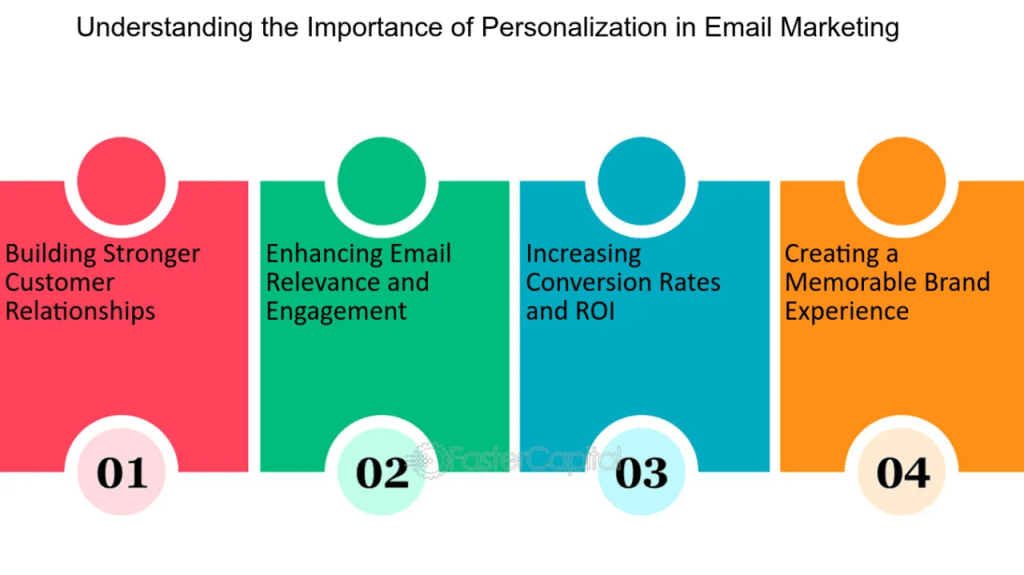
The importance of personalization in email marketing cannot be overstated. Consumers have come to expect a personalized experience, and brands that fail to deliver risk being left behind.
According to a 2022 report by McKinsey, 71% of consumers expect companies to offer personalized communication, and 76% get frustrated when it doesn’t happen. [1] Furthermore, a study by Experian found that personalized email campaigns can generate up to 6 times higher transaction rates compared to non-personalized emails. [2]
The reason for this is simple: personalization helps brands forge deeper, more meaningful connections with their audience. When subscribers receive emails that feel tailored to their unique interests, preferences, and behaviors, they are more likely to engage with the content and take the desired action.
But personalization is about more than just including a subscriber’s name in the subject line or email body. The most effective personalization strategies involve a deep understanding of the customer, leveraging data to create truly personalized experiences that resonate on a deeper level.
Laying the Foundation: Building a Robust Email List
Before you can start implementing personalization strategies, you need to have a solid foundation in place – namely, a well-segmented and highly engaged email list.
Segment Your Audience
Audience segmentation is the cornerstone of effective email personalization. By dividing your subscribers into smaller, more targeted groups, you can create content and offers that are tailored to their specific needs and interests.
Some common ways to segment your email list include:
- Demographics (age, gender, location, etc.)
- Psychographics (interests, values, lifestyle, etc.)
- Behavior (purchase history, website activity, engagement levels, etc.)
- Lifecycle stage (new subscriber, repeat customer, inactive, etc.)
By understanding the unique characteristics and behaviors of your different subscriber segments, you can craft personalized messaging that resonates on a deeper level.
For example, let’s say you’re an e-commerce brand that sells outdoor gear. You might have one segment of subscribers who are avid hikers, another segment of subscribers who are casual campers, and a third segment of subscribers who are interested in water sports. By tailoring your email content to each of these segments – highlighting the latest hiking gear for your hiking enthusiasts, showcasing your camping essentials for your casual campers, and promoting your water sports equipment for your water sports enthusiasts – you can significantly improve the relevance and effectiveness of your campaigns.
Collect Valuable Data
In order to effectively segment your audience and personalize your email content, you need to have a robust data collection strategy in place. This means gathering as much relevant information about your subscribers as possible, from their basic demographic details to their specific interests and behaviors.
Some key data points to collect include:
- Name
- Email address
- Location
- Age
- Gender
- Interests and hobbies
- Purchase history
- Website activity
- Engagement levels (open rates, click-through rates, etc.)
You can collect this data through a variety of channels, such as:
- Signup forms
- Preference centers
- Surveys and quizzes
- Tracking pixel data
- Integration with CRM and e-commerce platforms
By building a comprehensive customer profile for each of your subscribers, you’ll be able to create highly personalized email campaigns that resonate on a deeper level.
Engage Your Subscribers
Once you have a well-segmented email list and a robust data collection strategy in place, the next step is to focus on engaging your subscribers. After all, personalization is only effective if your audience is actively engaged with your content.
Here are some strategies to help you keep your subscribers engaged:
- Welcome new subscribers with a personalized onboarding sequence
- Send regular, valuable content that aligns with your subscribers’ interests and needs
- Encourage subscribers to update their preferences and interests over time
- Segment your list based on engagement levels and tailor your content accordingly
- Leverage automation to deliver timely, relevant messages based on subscriber behavior
By keeping your subscribers engaged and continuously updating their profiles, you’ll be able to deliver personalized email experiences that drive higher levels of interaction and conversion.
Personalization Strategies in Action
Now that you’ve laid the groundwork, let’s dive into the specific personalization strategies and tactics you can implement to take your email marketing to the next level.
- Personalized Subject Lines and Preheader Text
The subject line and preheader text are the first things a subscriber sees in their inbox, so it’s crucial to make a strong first impression. Personalized subject lines and preheader text can significantly boost open rates by making your emails stand out from the crowd.
Some effective personalization tactics for subject lines and preheader text include:
- Using the subscriber’s first name
- Referencing the subscriber’s location, interests, or past purchases
- Highlighting a specific product or service the subscriber has shown interest in
- Offering a personalized discount or promotion
For example, an email from a clothing retailer might have a subject line like “Hey [First Name], check out our new summer collection!” or a preheader text that says “We’ve got the perfect [Product] for you, [First Name].”
By making your emails feel more personal and tailored to the individual subscriber, you can increase the likelihood that they’ll open and engage with your content.
- Personalized Email Content
Once you’ve captured your subscriber’s attention with a personalized subject line and preheader, it’s time to deliver on the promise with personalized email content. This is where you can really showcase your understanding of your audience and provide them with a truly customized experience.
Some ways to personalize your email content include:
- Addressing the subscriber by name in the email body
- Highlighting products or services based on the subscriber’s past purchases or browsing history
- Offering personalized recommendations based on the subscriber’s interests and preferences
- Incorporating dynamic content that updates in real-time based on the subscriber’s location, device, or other factors
- Segmenting your email content based on the subscriber’s lifecycle stage (e.g., new subscriber, repeat customer, inactive, etc.)
For example, an e-commerce brand might send a personalized email to a subscriber who recently abandoned their shopping cart, reminding them of the items they left behind and offering a special discount to encourage them to complete the purchase. Or a software company might send a personalized onboarding email to a new subscriber, highlighting the features and resources that are most relevant to their specific needs.
By tailoring your email content to the individual subscriber, you can create a more engaging and relevant experience that drives higher levels of interaction and conversion.
- Personalized Product Recommendations
One of the most powerful applications of personalization in email marketing is the ability to provide personalized product recommendations. By leveraging data on a subscriber’s past purchases, browsing history, and interests, you can suggest products and services that are highly relevant and appealing to them.
Personalized product recommendations can take many forms, such as:
- “You might also like” sections that showcase complementary products
- “Recommended for you” sections that highlight items based on the subscriber’s preferences
- “Recently viewed” sections that remind the subscriber of products they’ve shown interest in
- “New arrivals” sections that showcase the latest products relevant to the subscriber’s interests
For example, an online retailer might send a personalized email to a subscriber who recently purchased a new laptop, highlighting accessories like protective cases, external hard drives, and wireless mice that would complement their purchase.
By providing personalized product recommendations, you can not only increase the likelihood of additional sales, but also enhance the overall customer experience by demonstrating your understanding of their needs and preferences.
- Personalized Lifecycle Messaging
Another effective personalization strategy is to tailor your email content and messaging based on the subscriber’s lifecycle stage. This could include:
- Welcome emails for new subscribers
- Onboarding sequences to help new customers get started
- Loyalty and retention campaigns for your most engaged customers
- Reactivation campaigns for inactive subscribers
- Win-back campaigns for lapsed customers
By understanding where each subscriber is in their journey with your brand, you can craft personalized messages that address their specific needs and pain points, ultimately driving higher levels of engagement and conversion.
For example, a welcome email for a new subscriber might focus on introducing your brand, highlighting your key products and services, and encouraging the subscriber to update their preferences. In contrast, a reactivation campaign for an inactive subscriber might offer a special discount or incentive to encourage them to re-engage with your brand.
By tailoring your lifecycle messaging to the individual subscriber, you can create a more seamless and personalized customer experience that fosters long-term loyalty and advocacy.
- Personalized Triggered Emails
Triggered emails are a powerful personalization strategy that allows you to deliver highly relevant and timely messages based on specific subscriber actions or behaviors. These automated emails are sent in response to a trigger, such as a website visit, a purchase, or an abandoned shopping cart, and can be highly effective in driving engagement and conversions.
Some examples of personalized triggered emails include:
- Welcome emails for new subscribers
- Cart abandonment emails to re-engage customers who have left items in their cart
- Browse abandonment emails to remind subscribers of products they’ve shown interest in
- Replenishment emails to notify customers when it’s time to reorder a product
- Milestone emails to celebrate a subscriber’s anniversary or birthday
By leveraging data on a subscriber’s actions and behaviors, you can create personalized triggered emails that feel highly relevant and tailored to their individual needs and interests. This not only improves the customer experience but also drives higher levels of engagement and conversion.
- Personalized Segmentation and Targeting
In addition to personalizing the content and messaging of your emails, you can also leverage segmentation and targeting to deliver a more personalized experience to your subscribers.
By dividing your email list into smaller, more targeted segments based on factors like demographics, interests, and behaviors, you can create highly specific campaigns and offers that resonate with each group.
For example, you might have a segment of subscribers who are interested in outdoor gear, another segment of subscribers who are parents of young children, and a third segment of subscribers who are avid travelers. By creating personalized campaigns that speak directly to the needs and interests of each of these segments, you can significantly improve the relevance and effectiveness of your email marketing efforts.
Furthermore, you can take your personalization efforts even further by using advanced targeting techniques, such as:
- Geotargeting to deliver location-specific content and offers
- Behavioral targeting to serve up content based on a subscriber’s past actions
- Predictive targeting to anticipate a subscriber’s future needs and interests
By combining segmentation and advanced targeting strategies, you can create a highly personalized email experience that resonates with each individual subscriber and drives meaningful engagement and conversions.
- Personalized Email Design and Visuals
While the content and messaging of your emails are crucial, the visual elements can also play a significant role in creating a personalized experience for your subscribers.
Some ways to personalize the design and visuals of your emails include:
- Using the subscriber’s name or initials in the email header or footer
- Incorporating the subscriber’s profile image or avatar
- Featuring product images or recommendations based on the subscriber’s past purchases or browsing history
- Customizing the email’s color scheme or branding to align with the subscriber’s preferences or interests
For example, an e-commerce brand might send a personalized email to a subscriber featuring product images and recommendations based on their past purchases, along with a header that includes the subscriber’s name and a footer that showcases their profile image.
By creating a visually personalized email experience, you can further reinforce the sense of a one-to-one connection with your subscribers and make your messages feel more tailored and relevant.
- Personalized Timing and Frequency
In addition to the content and design of your emails, the timing and frequency of your communications can also be personalized to better meet the needs and preferences of your subscribers.
Some ways to personalize the timing and frequency of your email campaigns include:
- Sending emails based on the subscriber’s time zone or local time
- Adjusting the send time to align with the subscriber’s typical engagement patterns
- Varying the frequency of emails based on the subscriber’s engagement levels or preferences
- Delivering personalized content or offers based on the subscriber’s lifecycle stage or purchase history
For example, an e-commerce brand might send a personalized email to a subscriber who abandoned their shopping cart, delivering the message at a time when the subscriber is most likely to be online and engaged. Alternatively, a software company might adjust the frequency of their email communications based on the subscriber’s level of engagement, sending more frequent updates to their most active users and less frequent messages to their less engaged subscribers.
By personalizing the timing and frequency of your email communications, you can create a more seamless and tailored experience for your subscribers, ultimately driving higher levels of engagement and conversion.
- Personalized Cross-Channel Experiences
While email is a powerful channel for personalization, it’s important to remember that your subscribers are interacting with your brand across multiple touchpoints. To create a truly cohesive and personalized customer experience, it’s essential to extend your personalization efforts across all of your marketing channels.
Some ways to create personalized cross-channel experiences include:
- Syncing customer data across your email, website, social media, and other marketing platforms
- Delivering personalized content and offers based on a subscriber’s interactions across multiple channels
- Retargeting subscribers with personalized ads or content based on their email engagement or website activity
- Providing a seamless, personalized experience as subscribers move between your various marketing channels
For example, an e-commerce brand might send a personalized email to a subscriber highlighting a new product they’ve shown interest in on the website, and then follow up with a personalized social media ad featuring that same product. By creating a consistent, personalized experience across multiple channels, you can build stronger, more meaningful connections with your subscribers and drive higher levels of engagement and conversion.
Measuring the Impact of Personalization
To ensure that your personalization efforts are delivering the desired results, it’s essential to track and measure the performance of your email campaigns. Some key metrics to monitor include:
- Open rates
- Click-through rates
- Conversion rates
- Revenue generated
- Return on investment (ROI)
By analyzing the performance of your personalized email campaigns, you can identify what’s working well and where there’s room for improvement. This data can then be used to refine your personalization strategies and optimize your future campaigns for even greater success.
Additionally, it’s important to gather feedback from your subscribers to understand their perceptions of your personalization efforts. This could include conducting surveys, gathering customer reviews, or monitoring social media mentions to gauge the overall sentiment towards your personalized communications.
By continuously measuring the impact of your personalization strategies and incorporating customer feedback, you can ensure that your email marketing efforts are delivering a truly personalized and engaging experience that drives meaningful results for your business.
Conclusion
In today’s competitive digital landscape, personalization has become a critical component of successful email marketing. By leveraging customer data and insights to deliver highly relevant and tailored content, brands can forge deeper connections with their audience, drive higher levels of engagement and conversion, and ultimately, achieve their business goals.
From personalized subject lines and email content to targeted segmentation and cross-channel experiences, the strategies outlined in this guide provide a comprehensive framework for implementing effective personalization in your email marketing efforts. By embracing the power of personalization, you can cut through the noise, stand out in your subscribers’ inboxes, and position your brand for long-term success.
So, what are you waiting for? Start implementing these personalization strategies today and watch your email marketing campaigns soar to new heights.
Learn more:
- Personalized Email Marketing: 9 Strategies for Success | Mailchimp
- Email Personalization: 23 of the Best Personalized Email Examples
- Email Personalization: Guide to Personalized Email Marketing | Sender
Share:👇
Subscribe to get more of such amazing content 👇
Related post
- How to Start a Print on Demand Business: A Comprehensive Guide
 Share:👇 Starting a print on demand (POD) business can be an exciting and profitable venture, especially in today’s era of e-commerce. Whether you’re an artist looking to monetize your designs or an entrepreneur exploring new business avenues, the POD model offers a low-risk, scalable method of selling custom products without the need for inventory or… Read more: How to Start a Print on Demand Business: A Comprehensive Guide
 - Mistakes Most Young Entrepreneurs Make When Starting an Online Business
 Share:👇 Starting an online business can be an exciting and rewarding venture for young entrepreneurs, but it also comes with its fair share of challenges. Many young entrepreneurs make common mistakes that can hinder their success and lead to the downfall of their businesses. In this comprehensive guide, we will explore the most prevalent mistakes… Read more: Mistakes Most Young Entrepreneurs Make When Starting an Online Business
 - Starting a Dropshipping Website on Spocket: What You Need to Know
 Share:👇 Introduction In the ever-evolving world of e-commerce, dropshipping has emerged as a game-changing business model that has revolutionized the way entrepreneurs approach online retail. Spocket, a leading dropshipping platform, has become a popular choice for those looking to venture into this lucrative space. [1] This comprehensive guide will delve into the intricacies of starting… Read more: Starting a Dropshipping Website on Spocket: What You Need to Know
 - The 10 Best Dropshipping Websites for Ecommerce Success in 2024
 Share:👇 Introduction In the ever-evolving world of ecommerce, dropshipping has emerged as a game-changing business model that allows entrepreneurs to start and scale online stores without the hassle of managing inventory. By partnering with reliable suppliers, dropshipping enables you to offer a wide range of products to your customers while minimizing upfront costs and overhead.… Read more: The 10 Best Dropshipping Websites for Ecommerce Success in 2024
 - The Ultimate Guide to the Best Affiliate Marketing Websites
 Share:👇 Introduction Affiliate marketing has become one of the most popular ways to earn passive income online. With the right strategies and tools, you can turn your website into a revenue-generating machine. In this guide, we’ll explore the best affiliate marketing websites, provide in-depth reviews, and share tips on how to maximize your earnings. What… Read more: The Ultimate Guide to the Best Affiliate Marketing Websites
 - Mastering Long-Form Content for SEO in 2024 and Beyond
 Share:👇 In the ever-evolving world of search engine optimization (SEO), the importance of long-form content has become increasingly apparent. As Google and other search engines continue to prioritize high-quality, in-depth information, crafting compelling long-form content has become a crucial strategy for businesses and content creators looking to rank higher in search results and engage their… Read more: Mastering Long-Form Content for SEO in 2024 and Beyond
 - The Rise of AI in SEO: Navigating the Changing Landscape of Search Engine Optimization in 2024 and Beyond
 Share:👇 Introduction: The Evolving Role of AI in SEO As we look ahead to 2024 and beyond, the world of search engine optimization (SEO) is undergoing a profound transformation, driven largely by the rapid advancements in artificial intelligence (AI) technology. The impact of AI on SEO is undeniable, presenting both opportunities and challenges for marketers,… Read more: The Rise of AI in SEO: Navigating the Changing Landscape of Search Engine Optimization in 2024 and Beyond
 - The Transformative Role of Blockchain in Digital Marketing
 Share:👇 Introduction In the ever-evolving landscape of digital marketing, the emergence of blockchain technology has sparked a revolution, redefining the way businesses engage with their customers and approach their marketing strategies. As the digital world continues to grapple with issues of transparency, data security, and trust, blockchain has emerged as a game-changing solution, offering a… Read more: The Transformative Role of Blockchain in Digital Marketing
 - Unlocking the Power of Facebook Ads: A Comprehensive Guide to Maximizing ROI
 Share:👇 In the ever-evolving digital landscape, Facebook ads have emerged as a powerful tool for businesses of all sizes to reach and engage their target audience. With over 2.9 billion monthly active users, Facebook provides unparalleled access to a vast and diverse customer base, making it an essential component of any comprehensive marketing strategy. However,… Read more: Unlocking the Power of Facebook Ads: A Comprehensive Guide to Maximizing ROI
 - The Future of Affiliate Marketing: Navigating the Evolving Landscape
 Share:👇 Introduction: The Affiliate Marketing Landscape in Flux In the ever-changing world of digital marketing, affiliate marketing has emerged as a powerful and lucrative strategy for businesses and individuals alike. As the industry continues to evolve, it’s crucial for both seasoned and aspiring affiliate marketers to stay ahead of the curve and understand the trends… Read more: The Future of Affiliate Marketing: Navigating the Evolving Landscape
 - How to Use Pinterest for Business: A Comprehensive Guide
 Share:👇 Introduction In the ever-evolving landscape of digital marketing, businesses are constantly seeking new and innovative ways to reach their target audience. One platform that has emerged as a powerful tool for businesses is Pinterest. With its visually-driven nature and growing user base, Pinterest offers a unique opportunity for businesses to showcase their products, services,… Read more: How to Use Pinterest for Business: A Comprehensive Guide
 - The Vital Role of Customer Experience in Digital Marketing
 Share:👇 In the ever-evolving landscape of digital marketing, the importance of customer experience (CX) cannot be overstated. As businesses strive to stand out in an increasingly crowded online space, delivering a seamless, engaging, and personalized customer journey has become a critical differentiator. The digital age has empowered consumers with an abundance of choices and information… Read more: The Vital Role of Customer Experience in Digital Marketing


 Hubgenus