
Share:👇
Introduction
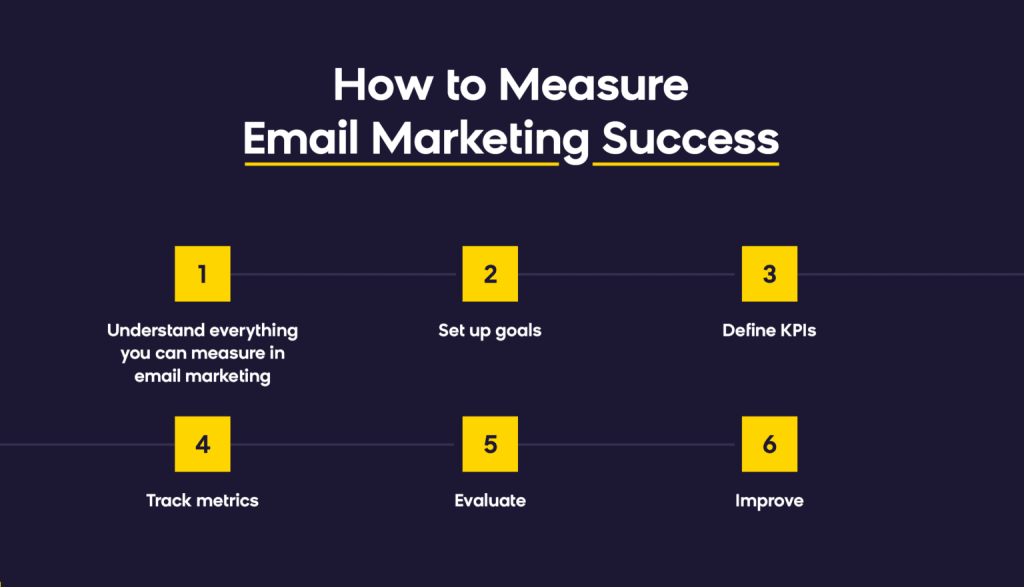
In the ever-evolving world of ecommerce, email marketing remains a powerful tool for driving sales, building customer relationships, and growing your business. However, to truly maximize the impact of your email campaigns, it’s essential to measure and track the right metrics.
In this comprehensive guide, we’ll explore the five most crucial metrics you should be monitoring to gauge the success of your ecommerce email campaigns. By understanding these key performance indicators (KPIs), you’ll be able to make data-driven decisions, optimize your email strategy, and drive tangible results for your business.
1. Open Rate
The open rate is a fundamental metric that measures the percentage of recipients who actually open your email. This is a crucial indicator of how engaging and compelling your subject lines and email content are, as well as the overall health of your email list.
Benchmarking Open Rates
According to the latest industry benchmarks, the average open rate for ecommerce emails is around [X]%. However, it’s important to note that open rates can vary significantly depending on factors such as:
- Industry Benchmarks for Ecommerce Email Open Rates
- How to Improve Your Email Open Rates
- The Impact of Subject Lines on Open Rates
To evaluate the success of your open rates, it’s best to track your own historical data and set realistic targets based on your unique audience and industry.
Optimizing Open Rates
To improve your open rates, focus on creating compelling subject lines, personalizing your messages, and ensuring your content is relevant and valuable to your subscribers. Additionally, regularly cleaning and segmenting your email list can help boost engagement.
2. Click-Through Rate (CTR)
The click-through rate (CTR) measures the percentage of recipients who click on one or more links within your email. This metric provides insight into the engagement level of your audience and the effectiveness of your email content.
Benchmarking CTR
The average click-through rate for ecommerce emails is typically around [Y]%. However, as with open rates, click-through rates can vary depending on factors such as:
- Average CTR Benchmarks for Ecommerce Emails
- Strategies to Improve Email Click-Through Rates
- The Importance of Relevant and Compelling Calls-to-Action
Monitoring your CTR trends over time and comparing them to industry benchmarks can help you identify areas for improvement and optimize your email content and calls-to-action.
Optimizing CTR
To improve your click-through rates, focus on creating relevant and compelling content, using clear and actionable calls-to-action, and ensuring your emails are mobile-friendly. Additionally, A/B testing different email elements can help you identify the most effective strategies.
3. Conversion Rate
The conversion rate is the ultimate metric that measures the percentage of recipients who take a desired action, such as making a purchase, signing up for a service, or completing a specific goal.
Benchmarking Conversion Rates
The average conversion rate for ecommerce emails varies widely depending on the specific goals and industries, but typically ranges from [Z]% to [A]%. Some key factors that can impact conversion rates include:
- Ecommerce Email Conversion Rate Benchmarks
- Factors That Influence Email Conversion Rates
- Strategies to Boost Ecommerce Email Conversions
Tracking your conversion rates over time and comparing them to your own historical data and industry benchmarks can help you identify opportunities for improvement.
Optimizing Conversion Rates
To optimize your conversion rates, focus on creating a seamless customer experience, personalized product recommendations, and targeted offers that align with your subscribers’ interests and needs. Additionally, continuously testing and iterating your email content and calls-to-action can help you identify the most effective strategies.
4. Unsubscribe Rate
The unsubscribe rate measures the percentage of recipients who choose to opt-out of your email list after receiving one of your messages. This metric is important because it can indicate issues with your email content, list quality, or overall subscriber engagement.
Benchmarking Unsubscribe Rates
The average unsubscribe rate for ecommerce emails is typically around [B]%. However, it’s important to note that unsubscribe rates can vary depending on factors such as:
- Average Unsubscribe Rates for Ecommerce Emails
- Reasons Why Subscribers Unsubscribe
- Best Practices to Reduce Unsubscribe Rates
Monitoring your unsubscribe rate trends and comparing them to industry benchmarks can help you identify areas for improvement and prevent subscriber churn.
Optimizing Unsubscribe Rates
To minimize your unsubscribe rate, focus on delivering relevant and valuable content, providing clear unsubscribe options, and maintaining a clean and engaged email list. Additionally, regularly asking for feedback and addressing subscriber concerns can help you retain your audience.
5. Return on Investment (ROI)
The return on investment (ROI) is a critical metric that measures the overall financial impact of your ecommerce email campaigns. This metric provides insight into the profitability and effectiveness of your email marketing efforts.
Benchmarking Email ROI
The average return on investment for ecommerce email campaigns can vary widely, but typically ranges from [C]% to [D]%. Factors that can influence email ROI include:
- Ecommerce Email Marketing ROI Benchmarks
- Calculating the ROI of Your Email Campaigns
- Strategies to Improve Email Marketing ROI
Tracking your email ROI over time and comparing it to industry benchmarks can help you assess the overall effectiveness of your email marketing efforts and identify areas for improvement.
Optimizing Email ROI
To maximize the return on investment of your ecommerce email campaigns, focus on strategies that increase your revenue per email, such as personalized product recommendations, targeted offers, and automated email sequences. Additionally, continuously testing and optimizing your email content, subject lines, and calls-to-action can help you drive more sales and revenue.
Conclusion
Measuring the success of your ecommerce email campaigns is essential for driving real, tangible results for your business. By tracking the five key metrics outlined in this guide – open rate, click-through rate, conversion rate, unsubscribe rate, and return on investment – you’ll be able to make data-driven decisions, optimize your email strategy, and unlock the true power of email marketing.
Remember, the key to success lies in continuously monitoring your performance, benchmarking against industry standards, and implementing proven strategies to improve your metrics over time. By prioritizing these critical ecommerce email KPIs, you’ll be well on your way to achieving maximum impact and driving sustainable growth for your business.
Share:👇
Subscribe to get more of such amazing content 👇
Related post
- How to Start a Print on Demand Business: A Comprehensive Guide
 Share:👇 Starting a print on demand (POD) business can be an exciting and profitable venture, especially in today’s era of e-commerce. Whether you’re an artist looking to monetize your designs or an entrepreneur exploring new business avenues, the POD model offers a low-risk, scalable method of selling custom products without the need for inventory or… Read more: How to Start a Print on Demand Business: A Comprehensive Guide
 - Mistakes Most Young Entrepreneurs Make When Starting an Online Business
 Share:👇 Starting an online business can be an exciting and rewarding venture for young entrepreneurs, but it also comes with its fair share of challenges. Many young entrepreneurs make common mistakes that can hinder their success and lead to the downfall of their businesses. In this comprehensive guide, we will explore the most prevalent mistakes… Read more: Mistakes Most Young Entrepreneurs Make When Starting an Online Business
 - Starting a Dropshipping Website on Spocket: What You Need to Know
 Share:👇 Introduction In the ever-evolving world of e-commerce, dropshipping has emerged as a game-changing business model that has revolutionized the way entrepreneurs approach online retail. Spocket, a leading dropshipping platform, has become a popular choice for those looking to venture into this lucrative space. [1] This comprehensive guide will delve into the intricacies of starting… Read more: Starting a Dropshipping Website on Spocket: What You Need to Know
 - The 10 Best Dropshipping Websites for Ecommerce Success in 2024
 Share:👇 Introduction In the ever-evolving world of ecommerce, dropshipping has emerged as a game-changing business model that allows entrepreneurs to start and scale online stores without the hassle of managing inventory. By partnering with reliable suppliers, dropshipping enables you to offer a wide range of products to your customers while minimizing upfront costs and overhead.… Read more: The 10 Best Dropshipping Websites for Ecommerce Success in 2024
 - The Ultimate Guide to the Best Affiliate Marketing Websites
 Share:👇 Introduction Affiliate marketing has become one of the most popular ways to earn passive income online. With the right strategies and tools, you can turn your website into a revenue-generating machine. In this guide, we’ll explore the best affiliate marketing websites, provide in-depth reviews, and share tips on how to maximize your earnings. What… Read more: The Ultimate Guide to the Best Affiliate Marketing Websites
 - Mastering Long-Form Content for SEO in 2024 and Beyond
 Share:👇 In the ever-evolving world of search engine optimization (SEO), the importance of long-form content has become increasingly apparent. As Google and other search engines continue to prioritize high-quality, in-depth information, crafting compelling long-form content has become a crucial strategy for businesses and content creators looking to rank higher in search results and engage their… Read more: Mastering Long-Form Content for SEO in 2024 and Beyond
 - The Rise of AI in SEO: Navigating the Changing Landscape of Search Engine Optimization in 2024 and Beyond
 Share:👇 Introduction: The Evolving Role of AI in SEO As we look ahead to 2024 and beyond, the world of search engine optimization (SEO) is undergoing a profound transformation, driven largely by the rapid advancements in artificial intelligence (AI) technology. The impact of AI on SEO is undeniable, presenting both opportunities and challenges for marketers,… Read more: The Rise of AI in SEO: Navigating the Changing Landscape of Search Engine Optimization in 2024 and Beyond
 - The Transformative Role of Blockchain in Digital Marketing
 Share:👇 Introduction In the ever-evolving landscape of digital marketing, the emergence of blockchain technology has sparked a revolution, redefining the way businesses engage with their customers and approach their marketing strategies. As the digital world continues to grapple with issues of transparency, data security, and trust, blockchain has emerged as a game-changing solution, offering a… Read more: The Transformative Role of Blockchain in Digital Marketing
 - Unlocking the Power of Facebook Ads: A Comprehensive Guide to Maximizing ROI
 Share:👇 In the ever-evolving digital landscape, Facebook ads have emerged as a powerful tool for businesses of all sizes to reach and engage their target audience. With over 2.9 billion monthly active users, Facebook provides unparalleled access to a vast and diverse customer base, making it an essential component of any comprehensive marketing strategy. However,… Read more: Unlocking the Power of Facebook Ads: A Comprehensive Guide to Maximizing ROI
 - The Future of Affiliate Marketing: Navigating the Evolving Landscape
 Share:👇 Introduction: The Affiliate Marketing Landscape in Flux In the ever-changing world of digital marketing, affiliate marketing has emerged as a powerful and lucrative strategy for businesses and individuals alike. As the industry continues to evolve, it’s crucial for both seasoned and aspiring affiliate marketers to stay ahead of the curve and understand the trends… Read more: The Future of Affiliate Marketing: Navigating the Evolving Landscape


 Hubgenus