
Share:👇
In today’s competitive ecommerce landscape, building strong customer relationships is crucial for business success. One highly effective way to nurture these relationships is through a well-crafted post-purchase email sequence.
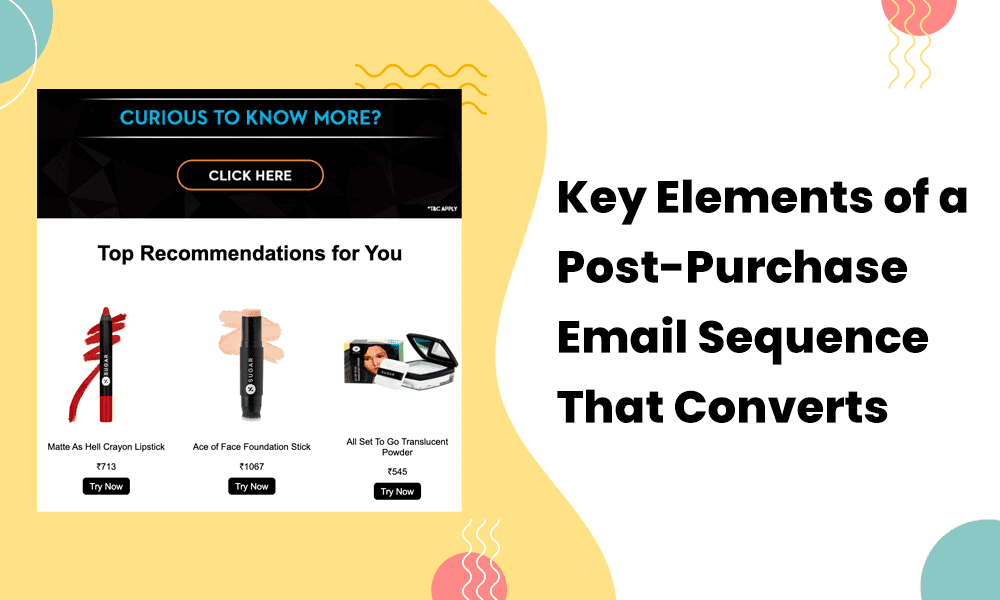
A post-purchase email sequence refers to a series of automated emails sent to customers after they complete a purchase on your website. These emails aim to achieve various goals, such as:
- Expressing gratitude and building goodwill
- Providing order confirmation and delivery details
- Encouraging product usage and engagement
- Soliciting feedback and reviews
- Driving repeat purchases and customer loyalty
When done right, a post-purchase email sequence can significantly improve customer retention, boost brand loyalty, and drive more revenue for your business. In this comprehensive guide, we’ll walk you through the steps to create a highly effective post-purchase email sequence that achieves these objectives.
Why a Post-Purchase Email Sequence is Essential
In the world of ecommerce, first impressions matter. The post-purchase experience is a critical touchpoint that can make or break a customer’s relationship with your brand. A seamless, personalized, and engaging post-purchase email sequence can:
- Improve Customer Satisfaction and Loyalty: By proactively addressing customers’ questions, concerns, and needs after a purchase, you demonstrate your commitment to their satisfaction. This can lead to higher customer retention and increased lifetime value.
- Drive Repeat Purchases: Well-timed and relevant post-purchase emails can encourage customers to make additional purchases, whether it’s related accessories, complementary products, or future purchases.
- Boost Social Proof and User-Generated Content: Asking customers for reviews and feedback in your post-purchase sequence can generate valuable social proof and user-generated content to showcase on your website and social media.
- Enhance Customer Engagement: Interactive and personalized post-purchase emails can keep customers engaged with your brand, leading to higher open and click-through rates, as well as stronger brand affinity.
- Collect Valuable Customer Data: The insights you gather from your post-purchase email sequence, such as customer behavior and preferences, can inform your overall marketing strategy and product development.
To reap these benefits, it’s essential to craft a strategic and well-executed post-purchase email sequence. Let’s dive into the key components of an effective sequence.
The Anatomy of a Highly Effective Post-Purchase Email Sequence
An optimal post-purchase email sequence typically consists of 4-7 emails, each with a specific purpose and goal. Here’s a breakdown of the essential elements:
- Order Confirmation Email
- Sent immediately after the purchase
- Provides order details, including order number, items purchased, shipping information, and expected delivery date
- Includes a prominent “View Order” button or link to allow customers to easily access their order details
- May also include cross-sell or upsell opportunities for related products
- Shipping Confirmation Email
- Sent when the order is shipped
- Includes tracking information and a link to the shipping carrier’s website
- Reassures the customer that their order is on its way
- Product Onboarding or Usage Email
- Sent a few days after delivery
- Provides helpful tips and instructions for using the purchased product
- Encourages the customer to get the most value out of their purchase
- May include links to instructional videos, user manuals, or other relevant resources
- Review and Feedback Request Email
- Sent 2-4 weeks after delivery
- Politely requests the customer to leave a review of the product or service
- Includes a direct link to the review page or platform
- May offer an incentive, such as a discount or reward, for providing feedback
- Cross-Sell or Upsell Email
- Sent 4-6 weeks after delivery
- Suggests complementary products or services that the customer may be interested in based on their previous purchase
- Highlights the benefits of the recommended items and how they can enhance the customer’s experience
- Loyalty and Referral Email
- Sent 2-3 months after the initial purchase
- Encourages the customer to become a loyal brand advocate
- Offers incentives, such as a discount or loyalty program, for referring new customers
- Win-Back Email
- Sent to customers who have not made a repeat purchase within a certain timeframe (e.g., 6 months)
- Reminds the customer of their previous purchase and the value they received
- Offers a special incentive or promotion to entice the customer to make another purchase
Remember, the specific timing and content of each email may vary depending on your business, industry, and customer base. The key is to create a seamless and personalized post-purchase experience that anticipates your customers’ needs and keeps them engaged with your brand.
Crafting Effective Email Content
Now that you have the overall structure of your post-purchase email sequence, it’s time to focus on creating engaging and high-converting content for each email. Here are some best practices to keep in mind:
- Personalization: Personalize each email with the customer’s name, order details, and any other relevant information to make the message feel more personalized and relevant.
- Clear and Concise Copy: Keep your email copy clear, concise, and easy to read. Avoid complex language or lengthy paragraphs that may overwhelm the customer.
- Compelling Subject Lines: Craft subject lines that are attention-grabbing, informative, and relevant to the email’s content. This will improve your open rates.
- Visually Appealing Design: Use a clean, visually appealing email design with consistent branding elements, high-quality product images, and clear calls-to-action (CTAs).
- Valuable Content: Provide genuinely helpful information, tips, or resources that enhance the customer’s experience and demonstrate your expertise.
- Relevant Calls-to-Action: Include clear and compelling CTAs that align with the email’s objective, such as “View Order,” “Leave a Review,” or “Shop More.”
- Social Proof: Incorporate customer testimonials, product reviews, or user-generated content to build trust and credibility.
- Mobile-Friendly Format: Ensure your emails are optimized for mobile devices, as a significant portion of your customers may be reading them on the go.
- Consistent Tone and Voice: Maintain a consistent brand tone and voice across all emails in the sequence to create a cohesive and recognizable customer experience.
- A/B Testing: Continuously test and optimize your email content, subject lines, and design elements to identify the most effective strategies for your audience.
By following these best practices, you can create a post-purchase email sequence that is not only visually appealing and informative, but also drives measurable results for your business.
Analyzing and Optimizing Your Post-Purchase Email Sequence
Regularly analyzing the performance of your post-purchase email sequence is crucial for continuous improvement and maximum impact. Here are some key metrics to track:
- Open Rates: Monitor the open rates for each email in the sequence to gauge the effectiveness of your subject lines and overall email content.
- Click-Through Rates (CTRs): Track the CTRs for your email CTAs to measure the engagement and interest levels of your customers.
- Conversion Rates: Analyze the conversion rates for specific actions, such as leaving a product review, making a repeat purchase, or signing up for a loyalty program.
- Unsubscribe Rates: Keep an eye on unsubscribe rates to ensure your emails are not causing customer fatigue or frustration.
- Revenue Attribution: Determine the revenue generated from your post-purchase email sequence, either through direct sales or customer lifetime value.
- Customer Feedback: Actively solicit and analyze customer feedback, both positive and negative, to identify areas for improvement.
Based on the insights gathered from these metrics, you can make data-driven decisions to optimize your post-purchase email sequence. Some potential optimization strategies include:
- Refining Email Timing: Adjust the send times and intervals between emails to improve open and engagement rates.
- Personalizing Content: Leverage customer data to create more personalized and relevant email content.
- Enhancing Email Design: Test different design elements, such as imagery, layout, and CTAs, to improve the overall user experience.
- Optimizing Subject Lines: Experiment with different subject line strategies to increase open rates.
- Segmenting Your Audience: Create targeted email sequences for different customer segments based on their behavior, preferences, or purchase history.
- Implementing A/B Testing: Continuously test different elements of your emails to identify the most effective strategies.
By continuously monitoring, analyzing, and optimizing your post-purchase email sequence, you can ensure that it remains a powerful tool for driving customer engagement, loyalty, and revenue growth.
Conclusion
A well-crafted post-purchase email sequence is a crucial component of any successful ecommerce business. By providing a seamless and personalized customer experience, you can build stronger relationships, drive repeat purchases, and generate valuable user-generated content.
Remember, the key to an effective post-purchase email sequence is to anticipate your customers’ needs, deliver genuine value, and consistently measure and optimize your performance. By following the strategies outlined in this guide, you can create a post-purchase email sequence that sets your business up for long-term success.
Happy emailing!
Backlinks
Share:👇
Subscribe to get more of such amazing content 👇
Related post
- How to Start a Print on Demand Business: A Comprehensive Guide
 Share:👇 Starting a print on demand (POD) business can be an exciting and profitable venture, especially in today’s era of e-commerce. Whether you’re an artist looking to monetize your designs or an entrepreneur exploring new business avenues, the POD model offers a low-risk, scalable method of selling custom products without the need for inventory or… Read more: How to Start a Print on Demand Business: A Comprehensive Guide
 - Mistakes Most Young Entrepreneurs Make When Starting an Online Business
 Share:👇 Starting an online business can be an exciting and rewarding venture for young entrepreneurs, but it also comes with its fair share of challenges. Many young entrepreneurs make common mistakes that can hinder their success and lead to the downfall of their businesses. In this comprehensive guide, we will explore the most prevalent mistakes… Read more: Mistakes Most Young Entrepreneurs Make When Starting an Online Business
 - Starting a Dropshipping Website on Spocket: What You Need to Know
 Share:👇 Introduction In the ever-evolving world of e-commerce, dropshipping has emerged as a game-changing business model that has revolutionized the way entrepreneurs approach online retail. Spocket, a leading dropshipping platform, has become a popular choice for those looking to venture into this lucrative space. [1] This comprehensive guide will delve into the intricacies of starting… Read more: Starting a Dropshipping Website on Spocket: What You Need to Know
 - The 10 Best Dropshipping Websites for Ecommerce Success in 2024
 Share:👇 Introduction In the ever-evolving world of ecommerce, dropshipping has emerged as a game-changing business model that allows entrepreneurs to start and scale online stores without the hassle of managing inventory. By partnering with reliable suppliers, dropshipping enables you to offer a wide range of products to your customers while minimizing upfront costs and overhead.… Read more: The 10 Best Dropshipping Websites for Ecommerce Success in 2024
 - The Ultimate Guide to the Best Affiliate Marketing Websites
 Share:👇 Introduction Affiliate marketing has become one of the most popular ways to earn passive income online. With the right strategies and tools, you can turn your website into a revenue-generating machine. In this guide, we’ll explore the best affiliate marketing websites, provide in-depth reviews, and share tips on how to maximize your earnings. What… Read more: The Ultimate Guide to the Best Affiliate Marketing Websites
 - Mastering Long-Form Content for SEO in 2024 and Beyond
 Share:👇 In the ever-evolving world of search engine optimization (SEO), the importance of long-form content has become increasingly apparent. As Google and other search engines continue to prioritize high-quality, in-depth information, crafting compelling long-form content has become a crucial strategy for businesses and content creators looking to rank higher in search results and engage their… Read more: Mastering Long-Form Content for SEO in 2024 and Beyond
 - The Rise of AI in SEO: Navigating the Changing Landscape of Search Engine Optimization in 2024 and Beyond
 Share:👇 Introduction: The Evolving Role of AI in SEO As we look ahead to 2024 and beyond, the world of search engine optimization (SEO) is undergoing a profound transformation, driven largely by the rapid advancements in artificial intelligence (AI) technology. The impact of AI on SEO is undeniable, presenting both opportunities and challenges for marketers,… Read more: The Rise of AI in SEO: Navigating the Changing Landscape of Search Engine Optimization in 2024 and Beyond
 - The Transformative Role of Blockchain in Digital Marketing
 Share:👇 Introduction In the ever-evolving landscape of digital marketing, the emergence of blockchain technology has sparked a revolution, redefining the way businesses engage with their customers and approach their marketing strategies. As the digital world continues to grapple with issues of transparency, data security, and trust, blockchain has emerged as a game-changing solution, offering a… Read more: The Transformative Role of Blockchain in Digital Marketing
 - Unlocking the Power of Facebook Ads: A Comprehensive Guide to Maximizing ROI
 Share:👇 In the ever-evolving digital landscape, Facebook ads have emerged as a powerful tool for businesses of all sizes to reach and engage their target audience. With over 2.9 billion monthly active users, Facebook provides unparalleled access to a vast and diverse customer base, making it an essential component of any comprehensive marketing strategy. However,… Read more: Unlocking the Power of Facebook Ads: A Comprehensive Guide to Maximizing ROI
 - The Future of Affiliate Marketing: Navigating the Evolving Landscape
 Share:👇 Introduction: The Affiliate Marketing Landscape in Flux In the ever-changing world of digital marketing, affiliate marketing has emerged as a powerful and lucrative strategy for businesses and individuals alike. As the industry continues to evolve, it’s crucial for both seasoned and aspiring affiliate marketers to stay ahead of the curve and understand the trends… Read more: The Future of Affiliate Marketing: Navigating the Evolving Landscape


 Hubgenus