
Share:👇
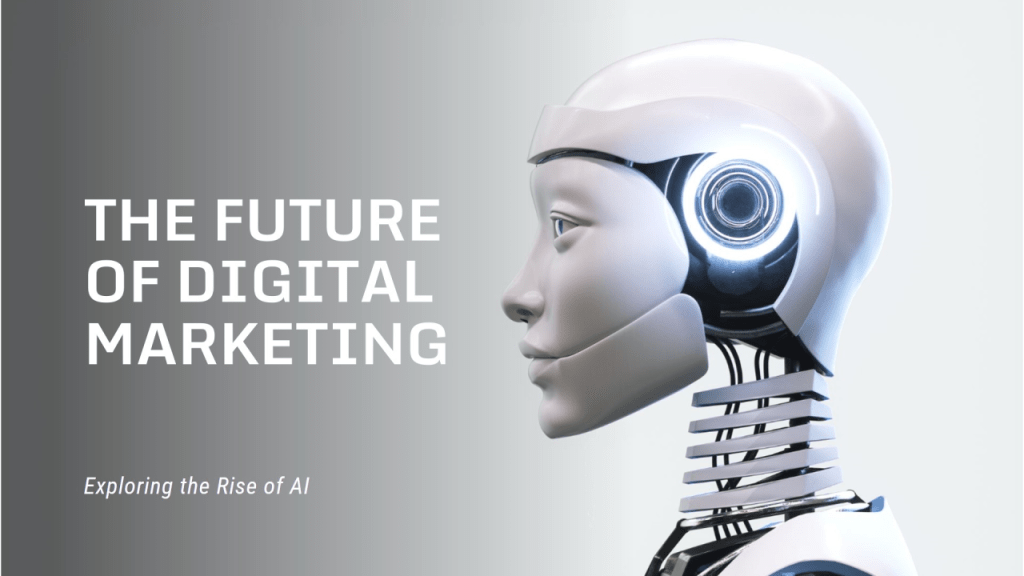
The Rise of AI in Digital Marketing: Unlocking New Possibilities
Introduction:
The digital marketing landscape is undergoing a profound transformation, and at the heart of this evolution lies the rapid advancements in artificial intelligence (AI). As technology continues to evolve at an unprecedented pace, AI has emerged as a game-changer, revolutionizing the way businesses approach marketing strategies and engage with their target audiences.
In the ever-competitive world of digital marketing, organizations are increasingly recognizing the immense potential of AI to streamline processes, enhance personalization, and drive measurable results. From content creation and campaign optimization to predictive analytics and customer segmentation, AI is proving to be a powerful ally in the pursuit of marketing excellence.
This article delves into the transformative impact of AI on digital marketing, exploring the key trends, applications, and the future implications of this technological revolution. By understanding the current state of AI in marketing and the opportunities it presents, businesses can position themselves for success in the dynamic digital landscape.
The AI Takeover: Embracing the Power of Intelligent Automation
The integration of AI into digital marketing has been a gradual but steady process, with more and more businesses recognizing the value it brings to their operations. From automating repetitive tasks to generating personalized content, AI-powered tools are revolutionizing the way marketers approach their work.
One of the most prominent applications of AI in digital marketing is the automation of various processes. AI-driven algorithms can analyze vast amounts of data, identify patterns, and make informed decisions with minimal human intervention. This intelligent automation has led to significant improvements in efficiency, productivity, and cost-effectiveness.
For example, AI-powered chatbots have become increasingly prevalent in the customer service realm, providing instant and personalized responses to inquiries, 24/7. These chatbots can handle a wide range of tasks, from answering frequently asked questions to guiding customers through the purchase process, freeing up human resources to focus on more complex and strategic initiatives.
Similarly, AI-driven content creation tools are transforming the way marketers approach content generation. By leveraging natural language processing (NLP) and machine learning algorithms, these tools can analyze existing content, identify key themes and topics, and generate new, high-quality content that aligns with the brand’s messaging and target audience. This not only streamlines the content creation process but also ensures a consistent and engaging user experience.
Moreover, AI is revolutionizing the way marketers approach campaign optimization. Intelligent algorithms can analyze real-time data, identify patterns, and make adjustments to campaigns in near-real-time, ensuring that marketing efforts are continuously optimized for maximum impact. This level of agility and responsiveness is crucial in the fast-paced digital landscape, where consumer preferences and market trends can shift rapidly.
The Power of Predictive Analytics: Unlocking Insights for Personalized Experiences
One of the most significant advantages of AI in digital marketing is its ability to harness the power of predictive analytics. By analyzing vast amounts of customer data, AI-powered tools can uncover valuable insights and make accurate predictions about consumer behavior, preferences, and purchasing patterns.
This predictive capability enables marketers to create highly personalized experiences that resonate with their target audience. AI-driven recommendation engines, for instance, can analyze a user’s browsing history, purchase behavior, and demographic information to suggest products or services that are tailored to their individual needs and interests. This level of personalization not only enhances the customer experience but also leads to increased engagement, loyalty, and ultimately, higher conversion rates.
Moreover, AI-powered predictive analytics can help marketers anticipate and respond to emerging trends and market shifts. By analyzing data from various sources, including social media, web analytics, and industry reports, AI can identify patterns and make informed predictions about future consumer behavior and market dynamics. This allows marketers to proactively adjust their strategies, stay ahead of the competition, and capitalize on emerging opportunities.
For example, an AI-powered tool might analyze social media data and identify a growing trend in sustainable fashion. Armed with this insight, marketers can quickly pivot their content and advertising strategies to align with this trend, creating targeted campaigns that resonate with environmentally conscious consumers.
The Personalization Imperative: Leveraging AI for Hyper-Targeted Experiences
In the age of information overload, consumers have become increasingly discerning and demand personalized experiences that cater to their unique preferences and needs. AI has emerged as a powerful ally in this pursuit, enabling marketers to deliver hyper-targeted and highly relevant content, offers, and experiences.
By leveraging AI-powered customer segmentation and personalization tools, marketers can create detailed user profiles that go beyond basic demographic data. These profiles can incorporate a wide range of information, including browsing behavior, purchase history, content engagement, and even emotional and psychological factors. Armed with these insights, marketers can then tailor their messaging, product recommendations, and marketing campaigns to each individual customer, creating a truly personalized experience.
One powerful example of AI-driven personalization is the use of dynamic content optimization. AI algorithms can analyze user behavior and preferences in real-time, and then automatically adjust the content, layout, and messaging of a website or email campaign to maximize engagement and conversion rates. This level of personalization not only enhances the customer experience but also leads to increased brand loyalty and higher lifetime customer value.
Moreover, AI-powered predictive analytics can help marketers anticipate customer needs and proactively offer personalized solutions. By analyzing customer data and identifying patterns, AI can predict future behavior and make recommendations that are tailored to each individual’s preferences and pain points. This proactive approach to personalization can help businesses stay ahead of the curve and build stronger, more meaningful relationships with their customers.
The Rise of Conversational AI: Enhancing Customer Engagement and Support
The integration of conversational AI, such as chatbots and virtual assistants, has revolutionized the way businesses interact with their customers. These AI-powered tools are designed to provide instant, personalized responses to customer inquiries, streamlining the customer service experience and freeing up human resources to focus on more complex tasks.
Conversational AI leverages natural language processing (NLP) and machine learning algorithms to understand and respond to customer queries in a natural, human-like manner. These tools can handle a wide range of tasks, from answering frequently asked questions to guiding customers through the purchase process, providing a seamless and efficient customer experience.
One of the key advantages of conversational AI is its ability to operate 24/7, ensuring that customers can receive assistance whenever they need it. This round-the-clock availability not only enhances customer satisfaction but also reduces the burden on customer service teams, allowing them to focus on more complex issues and provide a higher level of personalized support.
Moreover, conversational AI can be integrated across multiple channels, including websites, mobile apps, and messaging platforms, creating a consistent and unified customer experience. This omnichannel approach ensures that customers can engage with the brand through their preferred channels, further strengthening the brand-customer relationship.
Beyond customer service, conversational AI is also being leveraged to enhance marketing efforts. Chatbots can be used to engage with customers, gather valuable feedback, and even facilitate sales transactions, all while providing a personalized and interactive experience. By integrating conversational AI into their marketing strategies, businesses can create more meaningful and memorable interactions with their target audience.
The Ethical Considerations of AI in Digital Marketing
As the adoption of AI in digital marketing continues to grow, it is essential to address the ethical implications and considerations that come with this technology. While AI offers numerous benefits, it also raises concerns about data privacy, algorithmic bias, and the potential for misuse or unintended consequences.
Data Privacy and Transparency
One of the primary concerns surrounding AI in digital marketing is the issue of data privacy. AI-powered tools often rely on vast amounts of customer data to deliver personalized experiences and optimize marketing campaigns. However, this data collection and usage must be done in a transparent and ethical manner, ensuring that customers are aware of how their information is being used and that their privacy rights are respected.
Marketers must be proactive in developing and implementing robust data privacy policies, adhering to relevant regulations such as the General Data Protection Regulation (GDPR) and the California Consumer Privacy Act (CCPA). Transparency is key, and businesses should clearly communicate to customers how their data is being collected, stored, and used, as well as providing them with the ability to opt-out or control the use of their personal information.
Algorithmic Bias and Fairness
Another critical consideration is the potential for algorithmic bias in AI-powered marketing tools. AI algorithms are trained on data, and if that data reflects societal biases or inequalities, the resulting algorithms may perpetuate or even amplify those biases. This can lead to discriminatory practices, such as targeted advertising that excludes certain demographic groups or content recommendations that reinforce harmful stereotypes.
Marketers must be vigilant in addressing algorithmic bias, ensuring that their AI systems are designed and trained with fairness and inclusivity in mind. This may involve diversifying the data used to train the algorithms, regularly auditing the systems for bias, and incorporating ethical principles into the development and deployment of AI-powered marketing tools.
Responsible AI Deployment
Finally, the responsible deployment of AI in digital marketing is crucial. Businesses must consider the potential unintended consequences of AI, such as the displacement of human jobs, the spread of misinformation, or the exploitation of vulnerable populations. Marketers should work closely with AI experts, ethicists, and policymakers to develop guidelines and best practices that ensure the ethical and responsible use of AI in their marketing strategies.
By addressing these ethical considerations, businesses can harness the power of AI in digital marketing while upholding the principles of transparency, fairness, and responsible deployment. This approach not only builds trust with customers but also positions the organization as a leader in the ethical use of emerging technologies.
The Future of AI in Digital Marketing: Trends and Predictions
As the digital marketing landscape continues to evolve, the role of AI is poised to become even more prominent and transformative. Here are some key trends and predictions for the future of AI in digital marketing:
- Hyper-Personalization and Predictive Analytics
The ability of AI to analyze vast amounts of customer data and make accurate predictions about their behavior and preferences will continue to drive the evolution of hyper-personalized marketing experiences. Marketers will leverage AI-powered predictive analytics to anticipate customer needs, deliver highly targeted content and offers, and optimize campaigns in real-time. - Conversational AI and Voice Search
The rise of conversational AI, such as chatbots and virtual assistants, will become increasingly integrated into digital marketing strategies. These AI-powered tools will not only enhance customer service and support but also play a crucial role in voice search optimization, as consumers continue to rely on voice-activated devices for their information and purchasing needs. - Automated Content Creation and Optimization
AI-powered content creation tools will become more sophisticated, enabling marketers to generate high-quality, personalized content at scale. Additionally, AI algorithms will be used to optimize content in real-time, ensuring that it resonates with the target audience and drives desired outcomes. - Intelligent Advertising and Media Buying
The use of AI in advertising and media buying will become more prevalent, with intelligent algorithms automating the process of ad targeting, placement, and optimization. This will lead to increased efficiency, cost-effectiveness, and improved return on investment (ROI) for digital marketing campaigns. - Augmented and Virtual Reality
As the metaverse and immersive technologies continue to evolve, AI will play a crucial role in the development of augmented and virtual reality experiences for digital marketing. Marketers will leverage AI to create personalized, interactive, and engaging brand experiences that captivate consumers in these virtual environments. - Ethical AI Governance and Regulation
As the adoption of AI in digital marketing grows, there will be an increased focus on the development of ethical frameworks, governance models, and regulatory guidelines to ensure the responsible and transparent use of this technology. Marketers will need to work closely with policymakers, ethicists, and AI experts to navigate this evolving landscape. - Integrated AI Ecosystems
In the future, we will see the emergence of integrated AI ecosystems, where various AI-powered tools and platforms seamlessly work together to provide a holistic, end-to-end digital marketing solution. This will enable marketers to leverage the full potential of AI, streamlining their workflows and driving more effective and efficient marketing strategies.
Conclusion
The integration of AI into digital marketing has ushered in a new era of unprecedented possibilities. From automating repetitive tasks to delivering hyper-personalized experiences, AI has become a powerful ally in the pursuit of marketing excellence.
As the digital landscape continues to evolve, the role of AI in marketing will only become more prominent. Marketers who embrace this transformative technology and leverage its capabilities will be well-positioned to stay ahead of the curve, deliver exceptional customer experiences, and drive sustainable business growth.
However, the responsible and ethical deployment of AI in digital marketing is crucial. Businesses must address the ethical considerations surrounding data privacy, algorithmic bias, and the potential unintended consequences of this technology. By doing so, they can harness the power of AI while upholding the principles of transparency, fairness, and social responsibility.
The future of digital marketing is undoubtedly intertwined with the advancements in AI. By staying informed, adaptable, and committed to the ethical use of this technology, marketers can unlock new possibilities, redefine the customer experience, and position their organizations for long-term success in the ever-evolving digital landscape.
Learn more:
- Key Digital Marketing Trends for 2024 | Digital Marketing Institute
- TOP 12 of Digital Marketing Trends in 2024 | Brand24
- 8 Digital Marketing Trends That Will Dominate in 2024!
Share:👇
Subscribe to get more of such amazing content 👇
Related post
- How to Start a Print on Demand Business: A Comprehensive Guide
 Share:👇 Starting a print on demand (POD) business can be an exciting and profitable venture, especially in today’s era of e-commerce. Whether you’re an artist looking to monetize your designs or an entrepreneur exploring new business avenues, the POD model offers a low-risk, scalable method of selling custom products without the need for inventory or… Read more: How to Start a Print on Demand Business: A Comprehensive Guide
 - Mistakes Most Young Entrepreneurs Make When Starting an Online Business
 Share:👇 Starting an online business can be an exciting and rewarding venture for young entrepreneurs, but it also comes with its fair share of challenges. Many young entrepreneurs make common mistakes that can hinder their success and lead to the downfall of their businesses. In this comprehensive guide, we will explore the most prevalent mistakes… Read more: Mistakes Most Young Entrepreneurs Make When Starting an Online Business
 - Starting a Dropshipping Website on Spocket: What You Need to Know
 Share:👇 Introduction In the ever-evolving world of e-commerce, dropshipping has emerged as a game-changing business model that has revolutionized the way entrepreneurs approach online retail. Spocket, a leading dropshipping platform, has become a popular choice for those looking to venture into this lucrative space. [1] This comprehensive guide will delve into the intricacies of starting… Read more: Starting a Dropshipping Website on Spocket: What You Need to Know
 - The 10 Best Dropshipping Websites for Ecommerce Success in 2024
 Share:👇 Introduction In the ever-evolving world of ecommerce, dropshipping has emerged as a game-changing business model that allows entrepreneurs to start and scale online stores without the hassle of managing inventory. By partnering with reliable suppliers, dropshipping enables you to offer a wide range of products to your customers while minimizing upfront costs and overhead.… Read more: The 10 Best Dropshipping Websites for Ecommerce Success in 2024
 - The Ultimate Guide to the Best Affiliate Marketing Websites
 Share:👇 Introduction Affiliate marketing has become one of the most popular ways to earn passive income online. With the right strategies and tools, you can turn your website into a revenue-generating machine. In this guide, we’ll explore the best affiliate marketing websites, provide in-depth reviews, and share tips on how to maximize your earnings. What… Read more: The Ultimate Guide to the Best Affiliate Marketing Websites


 Hubgenus