
Share:👇
Understanding Web Hosting: A Comprehensive Guide
Introduction
In today’s digital age, having an online presence is crucial for businesses, bloggers, and individuals alike. One of the fundamental components of establishing this presence is web hosting. But what exactly is web hosting, and why is it so important? This article will delve into the intricacies of web hosting, exploring its types, benefits, and how to choose the right hosting service for your needs.
What is Web Hosting?
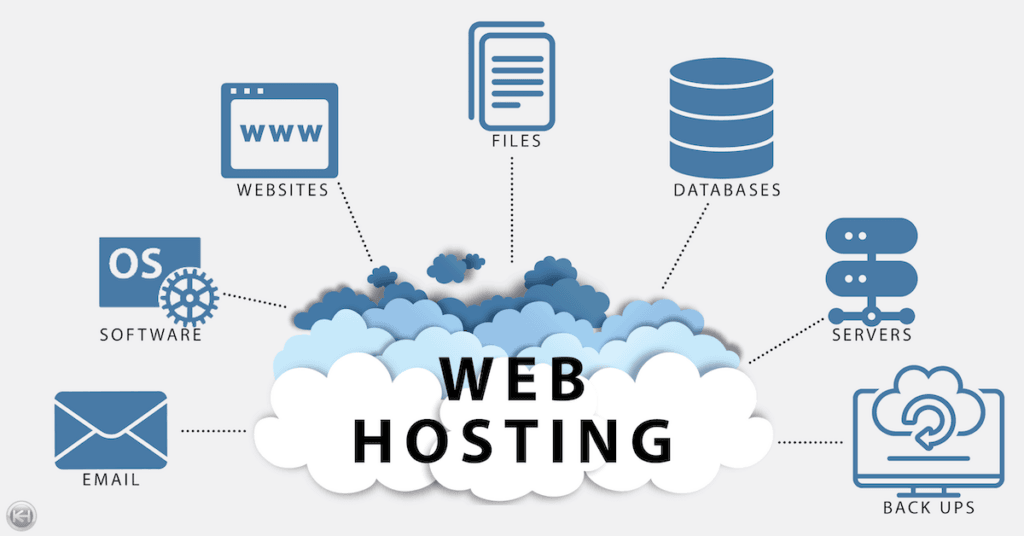
Web hosting is a service that allows individuals and organizations to make their websites accessible via the World Wide Web. When you create a website, it consists of various files, including HTML, images, videos, and other multimedia content. These files need to be stored somewhere so that users can access them online. This is where web hosting comes into play.
A web hosting provider offers the technologies and services needed for the website or webpage to be viewed on the Internet. Websites are hosted, or stored, on special computers called servers. When Internet users want to view your website, all they need to do is type your website address or domain into their browser. Their computer will then connect to your server, and your webpages will be delivered to them through the browser.
Types of Web Hosting
There are several types of web hosting services available, each catering to different needs and budgets. Here are the most common types:
1. Shared Hosting
Shared hosting is the most basic and affordable type of web hosting. In this setup, multiple websites share the same server and its resources, such as CPU, RAM, and disk space. This is an excellent option for beginners and small websites with low traffic, as it is cost-effective and easy to manage. However, shared hosting can lead to slower performance if one of the websites on the server experiences a traffic spike.
2. Virtual Private Server (VPS) Hosting
VPS hosting is a step up from shared hosting. In this arrangement, a physical server is divided into multiple virtual servers, each with its own dedicated resources. This provides more control and better performance compared to shared hosting. VPS hosting is suitable for websites that have outgrown shared hosting but do not yet require a dedicated server.
3. Dedicated Hosting
Dedicated hosting involves renting an entire physical server exclusively for your website. This type of hosting offers the highest level of performance, security, and control. It is ideal for large websites with high traffic volumes and those requiring custom server configurations. However, dedicated hosting is also the most expensive option and requires technical expertise to manage.
4. Cloud Hosting
Cloud hosting utilizes a network of interconnected servers to host websites. This setup provides excellent scalability and reliability, as resources can be adjusted based on demand. If one server fails, another can take over, ensuring minimal downtime. Cloud hosting is suitable for websites with fluctuating traffic and those requiring high availability.
5. Managed Hosting
Managed hosting is a service where the hosting provider takes care of all the technical aspects of running a server, including maintenance, security, and updates. This allows website owners to focus on their content and business operations. Managed hosting can be applied to various types of hosting, including shared, VPS, and dedicated hosting.
6. WordPress Hosting
WordPress hosting is specifically optimized for WordPress websites. It includes features such as one-click WordPress installation, automatic updates, and enhanced security. This type of hosting can be shared, VPS, or dedicated, depending on the provider.
Key Features to Look for in a Web Hosting Service
When choosing a web hosting service, it’s essential to consider several key features to ensure you get the best performance and value for your money. Here are some critical factors to keep in mind:
1. Uptime Guarantee
Uptime refers to the amount of time your website is accessible to users. A reliable web hosting provider should offer an uptime guarantee of at least 99.9%. This ensures that your website remains available to visitors with minimal downtime.
2. Speed and Performance
Website speed is crucial for user experience and search engine rankings. Look for a hosting provider that offers fast loading times and robust performance. Factors such as server location, SSD storage, and content delivery networks (CDNs) can impact your website’s speed.
3. Security
Security is paramount when it comes to web hosting. Ensure that the hosting provider offers features such as SSL certificates, regular backups, malware scanning, and firewalls. These measures help protect your website from cyber threats and data breaches.
4. Customer Support
Reliable customer support is essential, especially if you encounter technical issues. Look for a hosting provider that offers 24/7 support through various channels, such as live chat, phone, and email. Responsive and knowledgeable support can save you time and frustration.
5. Scalability
As your website grows, you may need to upgrade your hosting plan to accommodate increased traffic and resource demands. Choose a hosting provider that offers scalable solutions, allowing you to easily upgrade or downgrade your plan as needed.
6. Pricing
While cost should not be the only factor in your decision, it’s essential to find a hosting plan that fits your budget. Compare the pricing of different hosting providers and consider the features and resources included in each plan. Be wary of hidden fees and long-term contracts.
How to Choose the Right Web Hosting Provider
Selecting the right web hosting provider can be a daunting task, given the multitude of options available. Here are some steps to help you make an informed decision:
1. Assess Your Needs
Start by evaluating your website’s requirements. Consider factors such as the type of website you are building, expected traffic, and any specific features or applications you need. This will help you determine the type of hosting that best suits your needs.
2. Research Hosting Providers
Conduct thorough research on various hosting providers. Read reviews, compare features, and check their reputation in the industry. Look for providers with a proven track record of reliability, performance, and customer satisfaction.
3. Test Customer Support
Before committing to a hosting provider, test their customer support. Reach out with questions or concerns and evaluate their response time and helpfulness. Good customer support is crucial for resolving issues quickly and efficiently.
4. Check for Money-Back Guarantees
Many hosting providers offer money-back guarantees, allowing you to try their services risk-free. Look for providers with a reasonable refund policy, so you can switch to another provider if you are not satisfied with the service.
5. Consider Future Growth
Choose a hosting provider that can accommodate your website’s future growth. Ensure that they offer scalable solutions and easy upgrades to higher-tier plans. This will save you the hassle of migrating to a new provider as your website expands.
Common Web Hosting Issues and How to Resolve Them
Even with the best web hosting service, you may encounter some common issues. Here are a few problems you might face and how to resolve them:
1. Slow Website Speed
If your website is loading slowly, it can negatively impact user experience and search engine rankings. To improve speed, consider optimizing your website’s images, enabling browser caching, and using a content delivery network (CDN). Additionally, ensure that your hosting provider offers fast servers and sufficient resources.
2. Downtime
Downtime occurs when your website is inaccessible to users. This can be due to server maintenance, technical issues, or cyber attacks. To minimize downtime, choose a hosting provider with a high uptime guarantee and reliable infrastructure. Regularly monitor your website’s uptime and address any issues promptly.
3. Security Breaches
Security breaches can compromise your website’s data and reputation. Protect your website by using strong passwords, enabling two-factor authentication, and keeping your software and plugins up to date. Choose a hosting provider that offers robust security features, such as SSL certificates and regular malware scans.
4. Limited Resources
If your website experiences high traffic, you may encounter resource limitations, such as insufficient bandwidth or storage. To address this, consider upgrading to a higher-tier hosting plan or switching to a more scalable solution, such as VPS or cloud hosting.
5. Technical Issues
Technical issues can arise due to server configurations, software conflicts, or coding errors. When faced with technical problems, reach out to your hosting provider’s customer support for assistance. They can help diagnose and resolve the issue, ensuring your website runs smoothly.
Conclusion
Web hosting is a critical component of establishing and maintaining an online presence. By understanding the different types of hosting, key features to look for, and how to choose the right provider, you can ensure your website performs optimally and remains accessible to users. Whether you’re a beginner or an experienced webmaster, selecting the right web hosting service is essential for your website’s success.
Share:👇
Subscribe to get more of such amazing content 👇
Related post
- How to Start a Print on Demand Business: A Comprehensive Guide
 Share:👇 Starting a print on demand (POD) business can be an exciting and profitable venture, especially in today’s era of e-commerce. Whether you’re an artist looking to monetize your designs or an entrepreneur exploring new business avenues, the POD model offers a low-risk, scalable method of selling custom products without the need for inventory or… Read more: How to Start a Print on Demand Business: A Comprehensive Guide
 - Mistakes Most Young Entrepreneurs Make When Starting an Online Business
 Share:👇 Starting an online business can be an exciting and rewarding venture for young entrepreneurs, but it also comes with its fair share of challenges. Many young entrepreneurs make common mistakes that can hinder their success and lead to the downfall of their businesses. In this comprehensive guide, we will explore the most prevalent mistakes… Read more: Mistakes Most Young Entrepreneurs Make When Starting an Online Business
 - Starting a Dropshipping Website on Spocket: What You Need to Know
 Share:👇 Introduction In the ever-evolving world of e-commerce, dropshipping has emerged as a game-changing business model that has revolutionized the way entrepreneurs approach online retail. Spocket, a leading dropshipping platform, has become a popular choice for those looking to venture into this lucrative space. [1] This comprehensive guide will delve into the intricacies of starting… Read more: Starting a Dropshipping Website on Spocket: What You Need to Know
 - The 10 Best Dropshipping Websites for Ecommerce Success in 2024
 Share:👇 Introduction In the ever-evolving world of ecommerce, dropshipping has emerged as a game-changing business model that allows entrepreneurs to start and scale online stores without the hassle of managing inventory. By partnering with reliable suppliers, dropshipping enables you to offer a wide range of products to your customers while minimizing upfront costs and overhead.… Read more: The 10 Best Dropshipping Websites for Ecommerce Success in 2024
 - The Ultimate Guide to the Best Affiliate Marketing Websites
 Share:👇 Introduction Affiliate marketing has become one of the most popular ways to earn passive income online. With the right strategies and tools, you can turn your website into a revenue-generating machine. In this guide, we’ll explore the best affiliate marketing websites, provide in-depth reviews, and share tips on how to maximize your earnings. What… Read more: The Ultimate Guide to the Best Affiliate Marketing Websites


 Hubgenus