
Share:👇
What is Social Media Marketing?
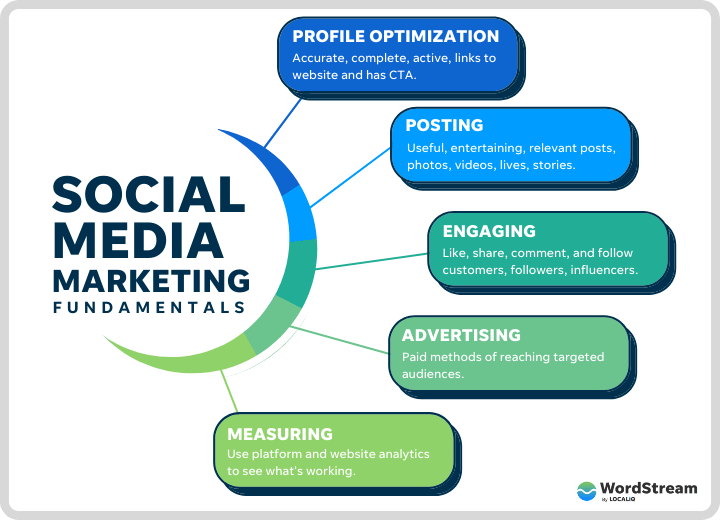
Social media marketing (SMM) is the practice of using social media platforms and tools to promote a business, build brand awareness, engage with customers, and drive sales¹. It involves creating and sharing content on social media networks to achieve marketing and branding goals. This content can include text, images, videos, and other multimedia that encourages audience interaction and engagement.
Importance of Social Media Marketing
Social media marketing is crucial for several reasons:
- Increased Brand Awareness: Social media platforms have billions of users worldwide. By leveraging these platforms, businesses can reach a vast audience and increase their brand visibility.
- Customer Engagement: Social media allows for direct interaction with customers, fostering a sense of community and loyalty.
- Cost-Effective: Compared to traditional marketing methods, social media marketing is relatively inexpensive. Many platforms offer free account creation and posting, with paid advertising options available for more targeted reach.
- Improved Customer Insights: Social media provides valuable data on customer preferences, behaviors, and demographics, helping businesses tailor their marketing strategies.
- Enhanced SEO: Social media activity can drive traffic to a business’s website, improving its search engine rankings².
Types of Social Media Platforms
Different social media platforms serve various purposes and audiences. Here are some of the most popular ones:
- Facebook: Ideal for building a community and sharing a variety of content types, including text, images, and videos.
- Instagram: Focuses on visual content, making it perfect for brands with strong visual elements.
- Twitter: Great for real-time updates, customer service, and engaging in conversations with followers.
- LinkedIn: Best for B2B marketing, professional networking, and sharing industry-related content.
- YouTube: The go-to platform for video content, tutorials, and vlogs.
- Pinterest: Excellent for sharing visual content, especially for industries like fashion, food, and home decor.
- TikTok: Popular for short, engaging video content, often driven by trends and challenges³.
Developing a Social Media Marketing Strategy
Creating a successful social media marketing strategy involves several key steps:
1. Define Your Goals
Determine what you want to achieve with your social media marketing efforts. Common goals include:
- Increasing brand awareness
- Driving website traffic
- Generating leads
- Boosting sales
- Building a community
- Enhancing customer service
2. Identify Your Target Audience
Understand who your audience is, what their interests are, and which social media platforms they use. This will help you create content that resonates with them.
3. Conduct a Competitor Analysis
Analyze your competitors’ social media presence to identify their strengths and weaknesses. This can provide insights into what works and what doesn’t in your industry.
4. Create Engaging Content
Develop a content plan that includes a mix of content types, such as:
- Educational Content: Blog posts, how-to guides, and tutorials that provide value to your audience.
- Entertaining Content: Memes, videos, and interactive posts that engage and entertain.
- Promotional Content: Posts that highlight your products or services, special offers, and discounts.
- User-Generated Content: Encourage your audience to create and share content related to your brand⁴.
5. Schedule and Publish Content
Use social media management tools to schedule and publish your content consistently. This ensures that your audience stays engaged and your brand remains visible.
6. Engage with Your Audience
Respond to comments, messages, and mentions promptly. Engaging with your audience builds trust and fosters a sense of community.
7. Analyze and Adjust
Regularly review your social media performance using analytics tools. Track metrics such as engagement, reach, and conversions to understand what works and what needs improvement. Adjust your strategy based on these insights.
Best Practices for Social Media Marketing
To maximize the effectiveness of your social media marketing efforts, consider the following best practices:
1. Be Authentic
Authenticity is key to building trust with your audience. Share genuine content that reflects your brand’s values and personality.
2. Use Visuals
Visual content is more engaging and shareable than text alone. Use high-quality images, videos, and graphics to capture your audience’s attention.
3. Leverage Hashtags
Hashtags can increase the visibility of your posts and help you reach a broader audience. Use relevant and trending hashtags to boost your content’s discoverability.
4. Post Consistently
Consistency is crucial for maintaining audience engagement. Develop a posting schedule and stick to it to keep your audience interested and informed.
5. Collaborate with Influencers
Partnering with influencers can help you reach new audiences and build credibility. Choose influencers whose values align with your brand and who have a genuine connection with their followers.
6. Run Social Media Ads
Paid advertising on social media platforms can help you reach a targeted audience and achieve specific marketing goals. Experiment with different ad formats and targeting options to find what works best for your business.
7. Monitor Trends
Stay up-to-date with the latest social media trends and adapt your strategy accordingly. This keeps your content relevant and engaging.
Measuring Social Media Marketing Success
To determine the success of your social media marketing efforts, track the following key performance indicators (KPIs):
1. Engagement
Measure likes, comments, shares, and other interactions to gauge how well your content resonates with your audience.
2. Reach
Track the number of unique users who see your content. This helps you understand the size of your audience and the effectiveness of your reach.
3. Conversions
Monitor the number of actions taken by users, such as clicks, sign-ups, and purchases. This indicates how well your social media efforts drive desired outcomes.
4. Follower Growth
Track the growth of your social media following over time. A steady increase in followers suggests that your content is attracting new audiences.
5. Website Traffic
Use tools like Google Analytics to measure the amount of traffic driven to your website from social media platforms. This helps you understand the impact of your social media efforts on your overall online presence.
Social Media Marketing Tools
Several tools can help you manage and optimize your social media marketing efforts:
1. Social Media Management Tools
Tools like Hootsuite, Buffer, and Sprout Social allow you to schedule posts, monitor engagement, and analyze performance across multiple social media platforms.
2. Analytics Tools
Platforms like Google Analytics, Facebook Insights, and Twitter Analytics provide valuable data on your social media performance, helping you make informed decisions.
3. Content Creation Tools
Canva, Adobe Spark, and Piktochart are excellent tools for creating visually appealing graphics and videos for your social media posts.
4. Influencer Marketing Platforms
Tools like AspireIQ, Upfluence, and Traackr help you find and collaborate with influencers to amplify your social media reach.
Case Studies of Successful Social Media Marketing Campaigns
1. Nike’s “Just Do It” Campaign
Nike’s iconic “Just Do It” campaign leveraged social media to inspire and engage audiences worldwide. By sharing motivational content and partnering with athletes and influencers, Nike built a strong community around its brand.
2. Airbnb’s User-Generated Content
Airbnb encourages its users to share their travel experiences on social media using the hashtag #Airbnb. This user-generated content not only showcases the brand’s offerings but also builds trust and authenticity.
3. Coca-Cola’s “Share a Coke” Campaign
Coca-Cola’s “Share a Coke” campaign personalized bottles with popular names and encouraged customers to share photos of their personalized bottles on social media. This campaign generated massive engagement and increased brand visibility.
Conclusion
Social media marketing is a powerful tool for businesses to connect with their audience, build brand awareness, and drive sales. By understanding the importance of social media marketing, developing a comprehensive strategy, and following best practices, businesses can effectively leverage social media to achieve their marketing goals. Whether you’re just starting with social media marketing or looking to refine your existing strategy, the key is to stay authentic, engage with your audience, and continuously analyze and adjust your efforts for optimal results.
¹: Hootsuite Blog
²: HubSpot Blog
³: Buffer
⁴: Socialinsider
Share:👇
Subscribe to get more of such amazing content 👇
Related post
- How to Start a Print on Demand Business: A Comprehensive Guide
 Share:👇 Starting a print on demand (POD) business can be an exciting and profitable venture, especially in today’s era of e-commerce. Whether you’re an artist looking to monetize your designs or an entrepreneur exploring new business avenues, the POD model offers a low-risk, scalable method of selling custom products without the need for inventory or… Read more: How to Start a Print on Demand Business: A Comprehensive Guide
 - Mistakes Most Young Entrepreneurs Make When Starting an Online Business
 Share:👇 Starting an online business can be an exciting and rewarding venture for young entrepreneurs, but it also comes with its fair share of challenges. Many young entrepreneurs make common mistakes that can hinder their success and lead to the downfall of their businesses. In this comprehensive guide, we will explore the most prevalent mistakes… Read more: Mistakes Most Young Entrepreneurs Make When Starting an Online Business
 - Starting a Dropshipping Website on Spocket: What You Need to Know
 Share:👇 Introduction In the ever-evolving world of e-commerce, dropshipping has emerged as a game-changing business model that has revolutionized the way entrepreneurs approach online retail. Spocket, a leading dropshipping platform, has become a popular choice for those looking to venture into this lucrative space. [1] This comprehensive guide will delve into the intricacies of starting… Read more: Starting a Dropshipping Website on Spocket: What You Need to Know
 - The 10 Best Dropshipping Websites for Ecommerce Success in 2024
 Share:👇 Introduction In the ever-evolving world of ecommerce, dropshipping has emerged as a game-changing business model that allows entrepreneurs to start and scale online stores without the hassle of managing inventory. By partnering with reliable suppliers, dropshipping enables you to offer a wide range of products to your customers while minimizing upfront costs and overhead.… Read more: The 10 Best Dropshipping Websites for Ecommerce Success in 2024
 - The Ultimate Guide to the Best Affiliate Marketing Websites
 Share:👇 Introduction Affiliate marketing has become one of the most popular ways to earn passive income online. With the right strategies and tools, you can turn your website into a revenue-generating machine. In this guide, we’ll explore the best affiliate marketing websites, provide in-depth reviews, and share tips on how to maximize your earnings. What… Read more: The Ultimate Guide to the Best Affiliate Marketing Websites


 Hubgenus