
Share:👇
Developing an Effective Marketing Strategy
Introduction:
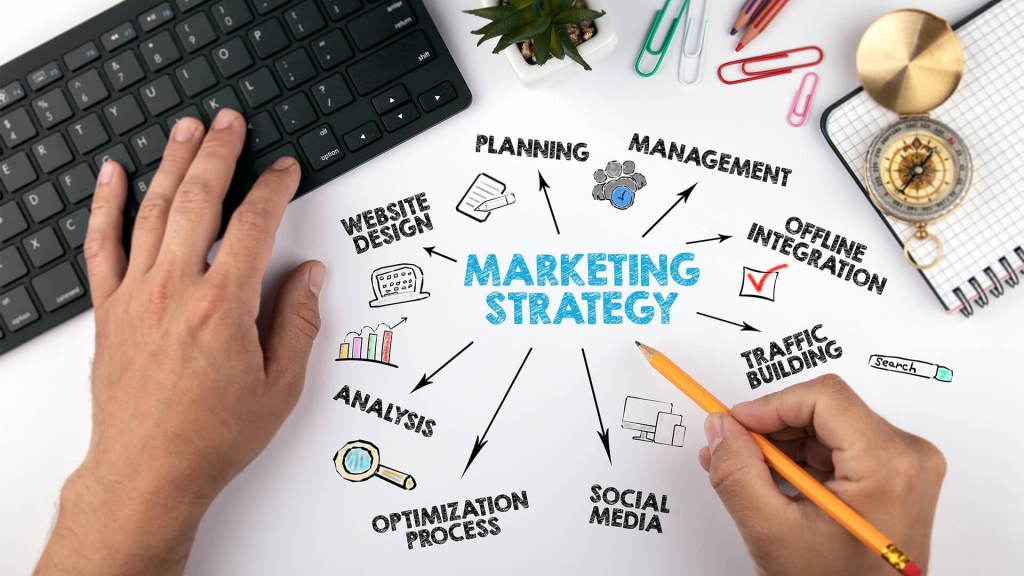
An effective marketing strategy is the foundation for a successful business. It provides a roadmap for how a company will reach and engage its target customers, differentiate itself from competitors, and ultimately drive sales and revenue growth. Without a well-planned marketing strategy, a business is likely to struggle to effectively communicate its value proposition and stand out in a crowded marketplace.
This article will explore the key components of an effective marketing strategy and provide a framework for developing one. We’ll cover topics such as market research, target audience identification, positioning and differentiation, the marketing mix, and measurement and optimization. By the end, you’ll have a solid understanding of how to build a marketing strategy that can propel your business forward.
Conducting Market Research
The first step in developing a marketing strategy is to thoroughly understand your market. This involves gathering data and insights about your industry, competitors, and target customers. Some key areas of market research to focus on include:
Industry Analysis: Examine the overall size, growth trends, and key players in your industry. Identify any major shifts, emerging technologies, or regulatory changes that could impact your business.
Competitive Analysis: Research your direct and indirect competitors. Analyze their products/services, pricing, promotional strategies, strengths, weaknesses, and market positioning. Identify opportunities to differentiate your offering.
Target Audience Analysis: Develop detailed buyer personas that profile your ideal customers. Gather demographic, psychographic, behavioral, and needs-based data to deeply understand their pain points, purchase drivers, and preferred communication channels.
Market Segmentation: Divide your total addressable market into more manageable segments based on factors like geography, industry, company size, buyer persona, or product/service usage. This will inform how you approach different customer groups.
The insights gleaned from this market research phase will be crucial for making informed strategic decisions about your target market, product/service positioning, marketing tactics, and resource allocation.
Defining Your Target Audience
With a solid understanding of your market, you can then hone in on your ideal target audience. This involves identifying the specific customer segments that represent the best opportunities for your business based on factors like:
- Fit with your product/service capabilities and value proposition
- Size, growth potential, and profitability of the segment
- Accessibility and ability to effectively reach and engage the segment
- Alignment with your company’s overall strategic objectives
Once you’ve selected your primary target audience(s), create detailed buyer personas that bring these customer profiles to life. Flesh out their demographics, psychographics, pain points, purchase behaviors, and preferred communication channels. This will enable you to craft messaging, content, and campaigns that truly resonate.
It’s also important to consider potential secondary or ancillary target audiences that could represent attractive opportunities, even if they aren’t your main focus. These may include adjacent market segments, influencers, strategic partners, or other stakeholders. Maintaining awareness of these groups can open up additional avenues for growth.
Establishing Positioning and Differentiation
With a deep understanding of your market and target audience, you can then work on defining your company’s unique positioning and points of differentiation. This is critical for standing out from the competition and compelling customers to choose your offerings over others.
Effective positioning involves clearly articulating:
- Your target customer: Who are you serving and what are their key needs and pain points?
- Your value proposition: How does your product/service uniquely address those needs and deliver superior value?
- Your competitive advantages: What are the specific attributes, features, or capabilities that set you apart?
This positioning should then be reflected consistently across all of your marketing communications, from your brand identity and website to your sales pitches and customer support.
Differentiation, on the other hand, is about identifying and amplifying the unique qualities of your offering that make it meaningfully distinct from competitors. This could be based on factors like:
- Product/service features and functionality
- Quality, performance, or durability
- Breadth of product/service offering
- Pricing model or bundling
- Customer experience and support
- Brand reputation and thought leadership
The key is to deeply understand what your target customers value most, and then focus on accentuating the aspects of your business that align best with those priorities. This will allow you to carve out a distinctive, defensible, and compelling market position.
Developing the Marketing Mix
With your target audience and positioning defined, you can then turn your attention to the “marketing mix” – the specific combination of product, price, promotion, and place (distribution) strategies that will most effectively reach and engage your customers.
Product Strategy: Define the specific products and services you will offer, their key features and benefits, and how they will evolve over time to meet changing customer needs. Consider factors like quality, functionality, branding, packaging, and after-sales support.
Pricing Strategy: Determine the optimal pricing structure for your offerings based on factors like production costs, competitor pricing, customer perceived value, and desired profit margins. Also consider alternative pricing models like subscriptions, bundling, or tiered pricing.
Promotion Strategy: Outline the specific marketing tactics and channels you will use to raise awareness, educate prospects, and drive sales. This may include advertising, content marketing, social media, email marketing, events, partnerships, and more.
Place/Distribution Strategy: Determine how customers will access and purchase your products/services. This could involve an e-commerce website, brick-and-mortar retail locations, third-party distributors or resellers, or a combination of channels.
The key is to ensure that all elements of the marketing mix are tightly aligned and working in harmony to deliver a seamless, compelling customer experience. This integrated approach will maximize the impact and effectiveness of your marketing efforts.
Measuring and Optimizing Performance
No marketing strategy is complete without a plan for measuring and continuously optimizing performance. This involves establishing clear key performance indicators (KPIs) and tracking mechanisms to evaluate the impact and return on investment of your marketing activities.
Some common marketing KPIs to consider include:
- Lead generation and conversion rates
- Website traffic, engagement, and bounce rates
- Email open and click-through rates
- Social media follower growth and engagement
- Customer acquisition costs
- Customer lifetime value
- Return on ad spend
- Net Promoter Score
By regularly monitoring these metrics, you can identify which marketing tactics are working well and which need to be adjusted or optimized. This could involve refining your messaging, updating your targeting parameters, testing new channels, or pivoting your overall strategy.
It’s also important to establish feedback loops that incorporate customer insights and market intelligence to continually fine-tune your approach. This agile, data-driven mindset will help ensure your marketing strategy remains aligned with evolving customer needs and market dynamics.
Conclusion
Developing an effective marketing strategy is essential for the long-term success of any business. By conducting thorough market research, defining your target audience, establishing a compelling positioning and differentiation, crafting an integrated marketing mix, and implementing robust measurement and optimization processes, you can create a strategic roadmap that drives sustainable growth.
Remember, a marketing strategy is not a one-time exercise – it requires ongoing refinement and adaptation as your business, your market, and your customers evolve over time. By staying nimble and data-driven in your approach, you can ensure your marketing efforts continue to deliver maximum impact and returns.
Share:👇
Subscribe to get more of such amazing content 👇
Related post
- How to Start a Print on Demand Business: A Comprehensive Guide
 Share:👇 Starting a print on demand (POD) business can be an exciting and profitable venture, especially in today’s era of e-commerce. Whether you’re an artist looking to monetize your designs or an entrepreneur exploring new business avenues, the POD model offers a low-risk, scalable method of selling custom products without the need for inventory or… Read more: How to Start a Print on Demand Business: A Comprehensive Guide
 - Mistakes Most Young Entrepreneurs Make When Starting an Online Business
 Share:👇 Starting an online business can be an exciting and rewarding venture for young entrepreneurs, but it also comes with its fair share of challenges. Many young entrepreneurs make common mistakes that can hinder their success and lead to the downfall of their businesses. In this comprehensive guide, we will explore the most prevalent mistakes… Read more: Mistakes Most Young Entrepreneurs Make When Starting an Online Business
 - Starting a Dropshipping Website on Spocket: What You Need to Know
 Share:👇 Introduction In the ever-evolving world of e-commerce, dropshipping has emerged as a game-changing business model that has revolutionized the way entrepreneurs approach online retail. Spocket, a leading dropshipping platform, has become a popular choice for those looking to venture into this lucrative space. [1] This comprehensive guide will delve into the intricacies of starting… Read more: Starting a Dropshipping Website on Spocket: What You Need to Know
 - The 10 Best Dropshipping Websites for Ecommerce Success in 2024
 Share:👇 Introduction In the ever-evolving world of ecommerce, dropshipping has emerged as a game-changing business model that allows entrepreneurs to start and scale online stores without the hassle of managing inventory. By partnering with reliable suppliers, dropshipping enables you to offer a wide range of products to your customers while minimizing upfront costs and overhead.… Read more: The 10 Best Dropshipping Websites for Ecommerce Success in 2024
 - The Ultimate Guide to the Best Affiliate Marketing Websites
 Share:👇 Introduction Affiliate marketing has become one of the most popular ways to earn passive income online. With the right strategies and tools, you can turn your website into a revenue-generating machine. In this guide, we’ll explore the best affiliate marketing websites, provide in-depth reviews, and share tips on how to maximize your earnings. What… Read more: The Ultimate Guide to the Best Affiliate Marketing Websites


 Hubgenus